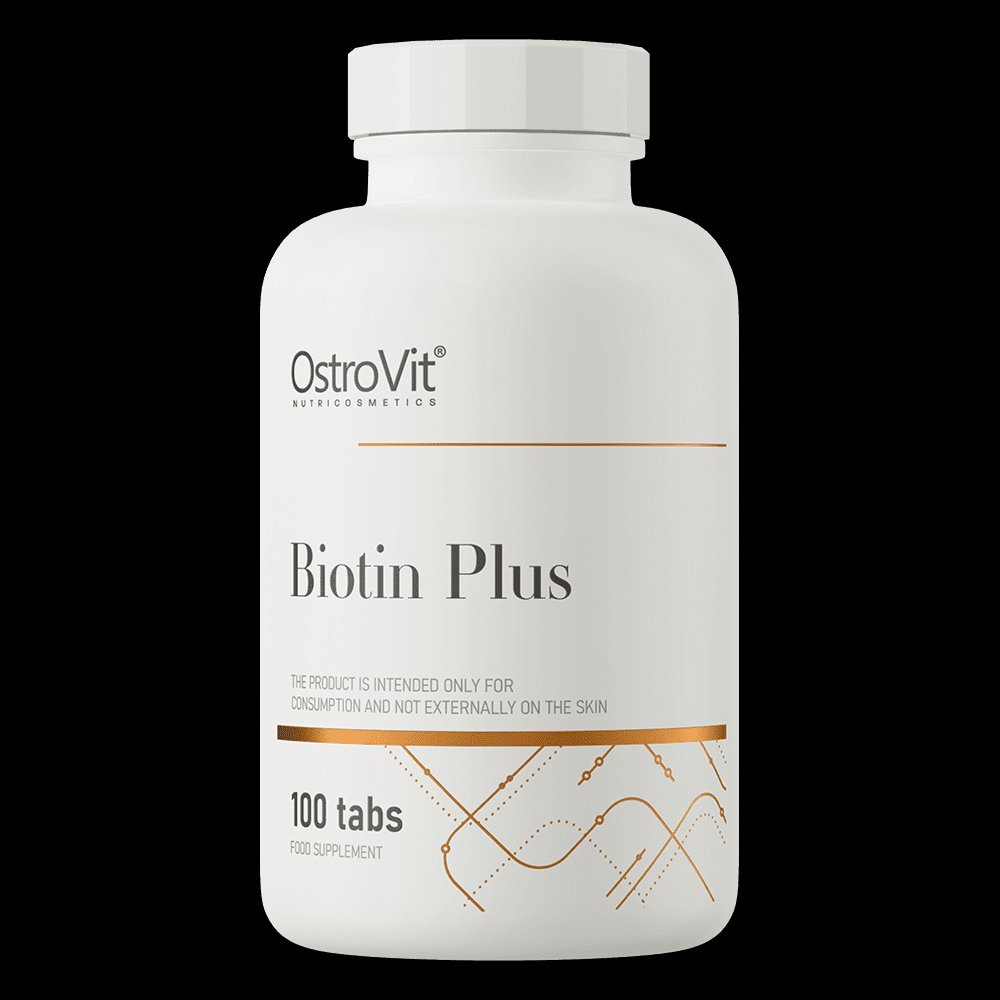
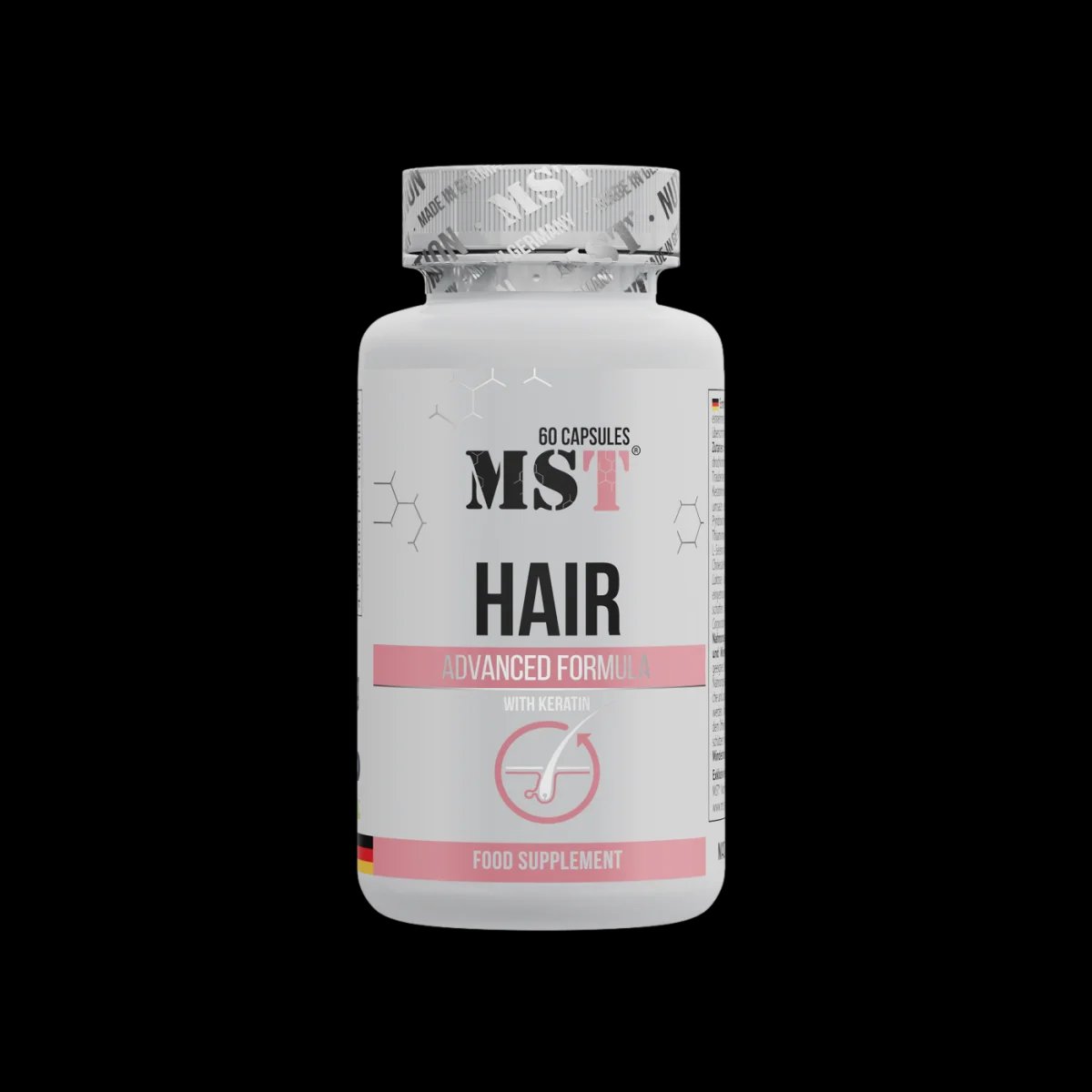
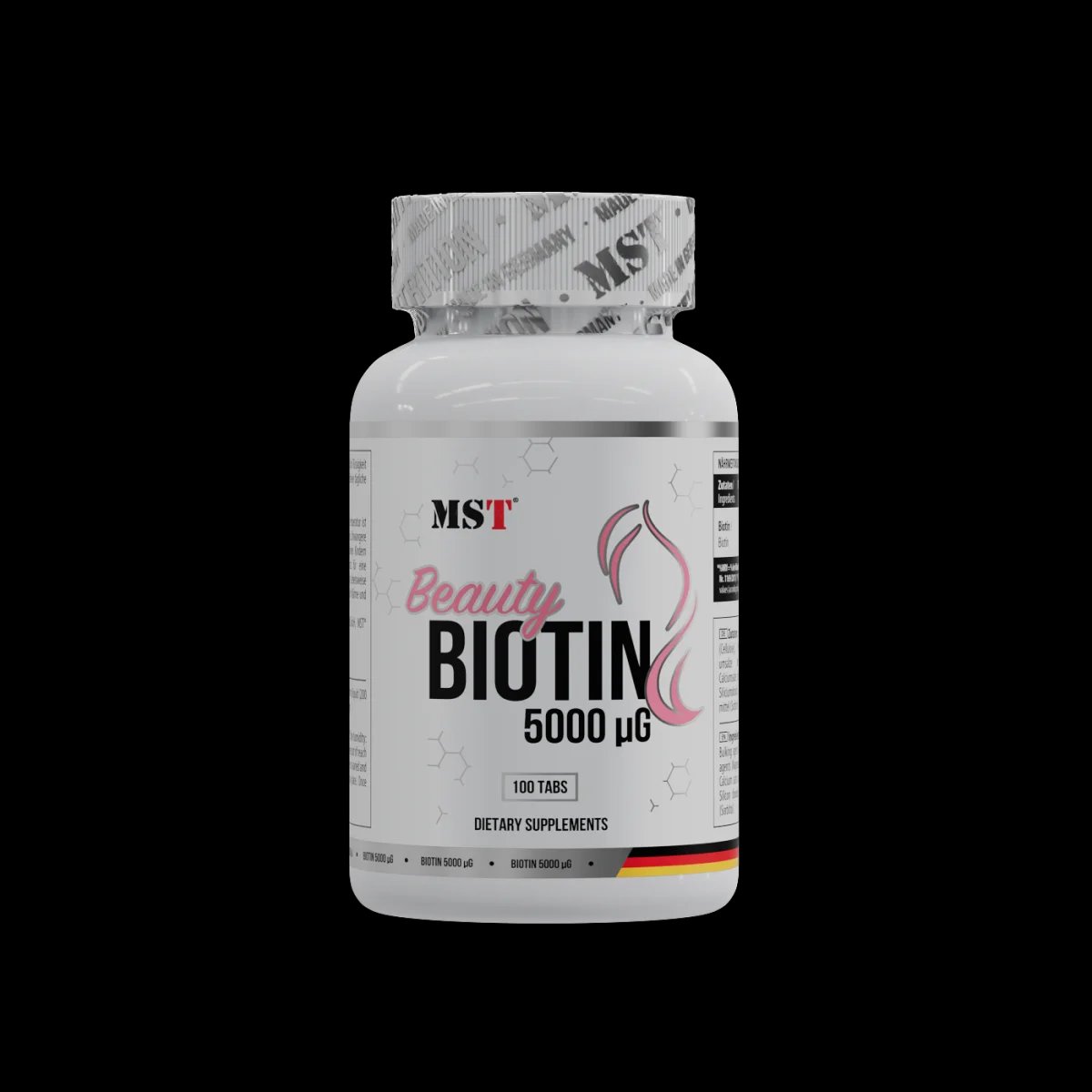
Biotin (vitamin B7, formerly known as vitamin H) is a water-soluble B vitamin that plays a key role in keratin production — the protein that forms the structure of hair, skin, and nails. Biotin also participates in fatty acid, amino acid, and glucose metabolism, making it essential for cellular energy production.
Biotin deficiency manifests as hair loss, brittle nails, and dry, flaky skin. While severe deficiency is rare, mild deficiency is quite common, especially in pregnant and breastfeeding women and those who regularly consume raw eggs (the egg white protein avidin binds biotin). The recommended biotin dose for beauty support is 2,500-10,000 mcg (micrograms) per day. Biotin capsules and tablets are the most popular form. Results — stronger nails and thicker hair growth — can be expected after 3-6 months of consistent use.
Biotin helps especially when hair loss is related to biotin deficiency. Studies show that biotin supplementation (2,500-5,000 mcg per day) can improve hair density and strength. You need at least 3-6 months of consistent use to see results. Biotin works best in combination with zinc and vitamin C.
For general health support, 30-100 mcg per day is sufficient. For hair, skin, and nail beauty support, 2,500-5,000 mcg per day is recommended. Some products offer up to 10,000 mcg — this is safe, as biotin is water-soluble and excess is excreted in urine.
Biotin has no established upper safe limit because it is a water-soluble vitamin and excess is excreted in urine. However, high-dose biotin (over 5,000 mcg) can affect certain blood test results (especially thyroid and cardiac markers) — inform your doctor about biotin supplementation before blood tests.
Yes, biotin is suitable for both men and women. For men, biotin helps support hair growth and reduce hair thinning. Biotin is an important ingredient in many men's multivitamin complexes.