
What Is ZMA?
Shop this category — in stock now
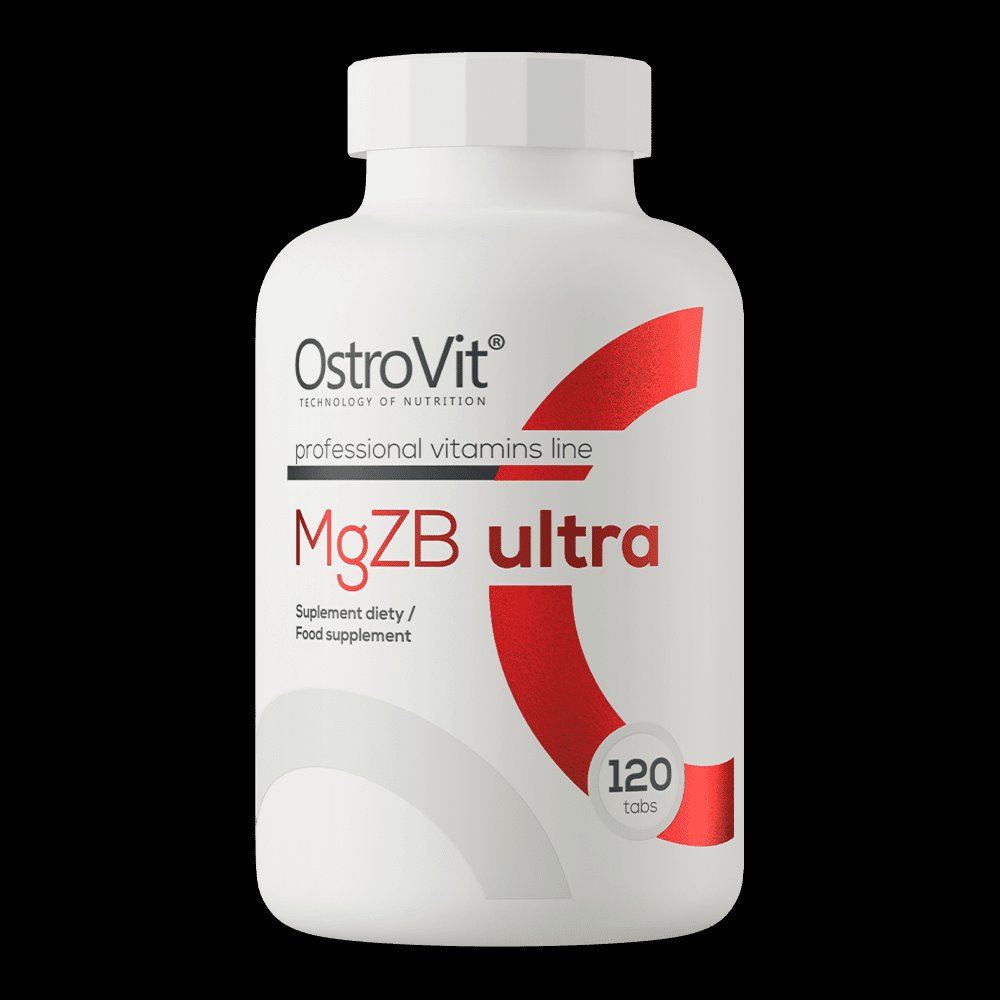
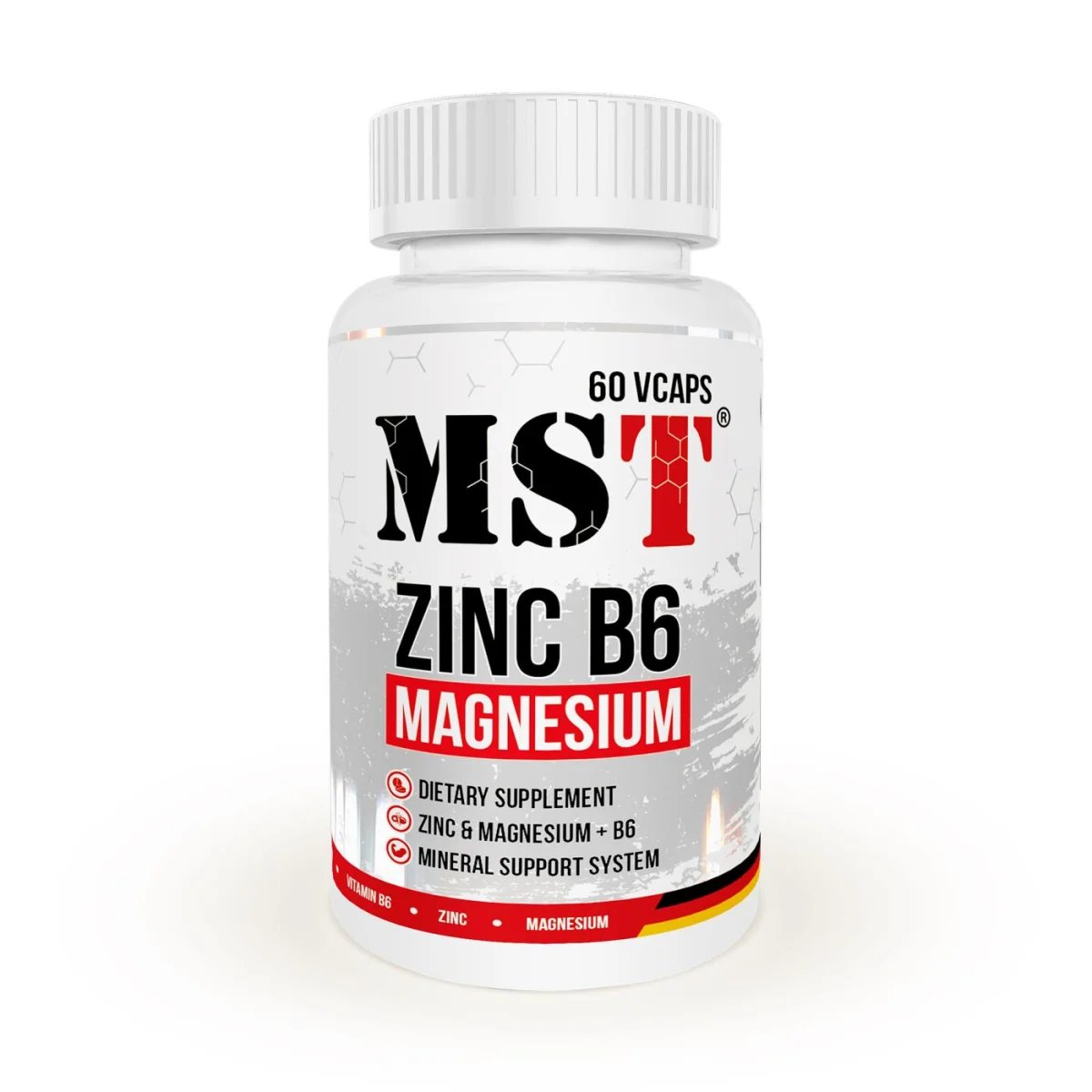
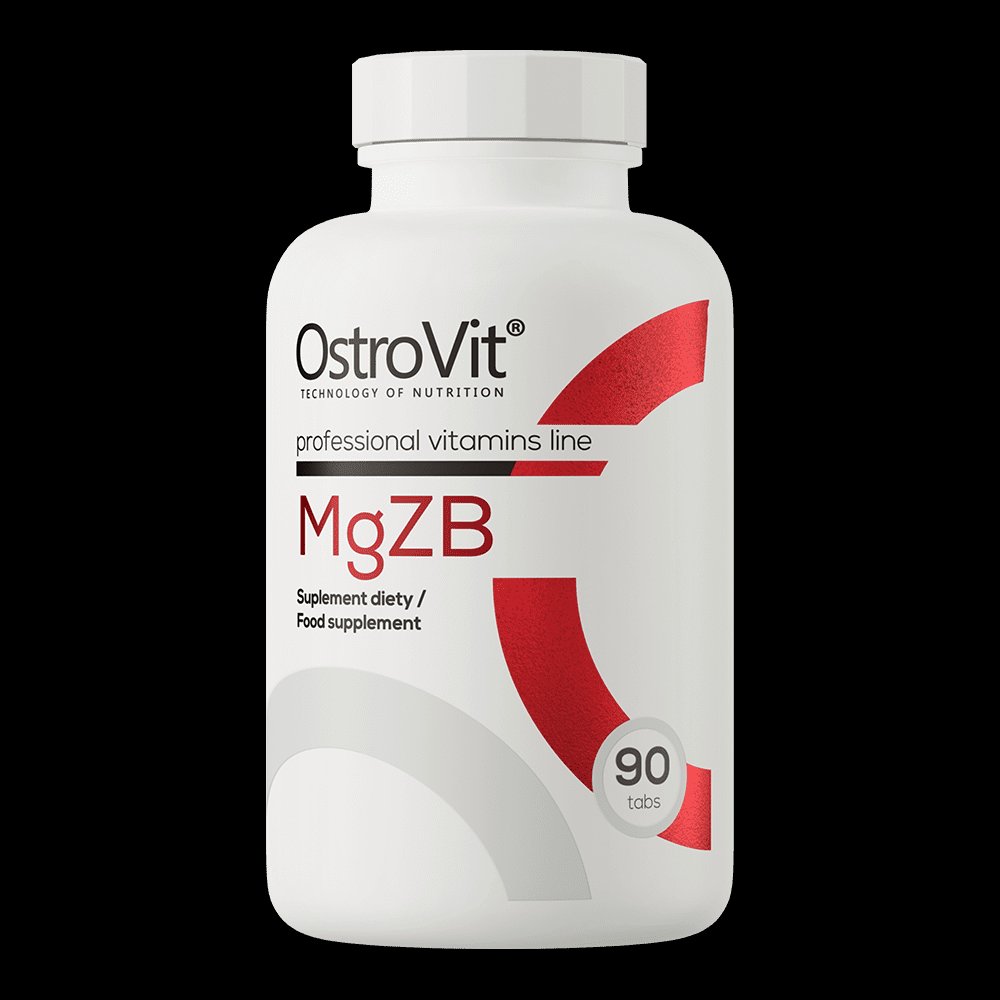
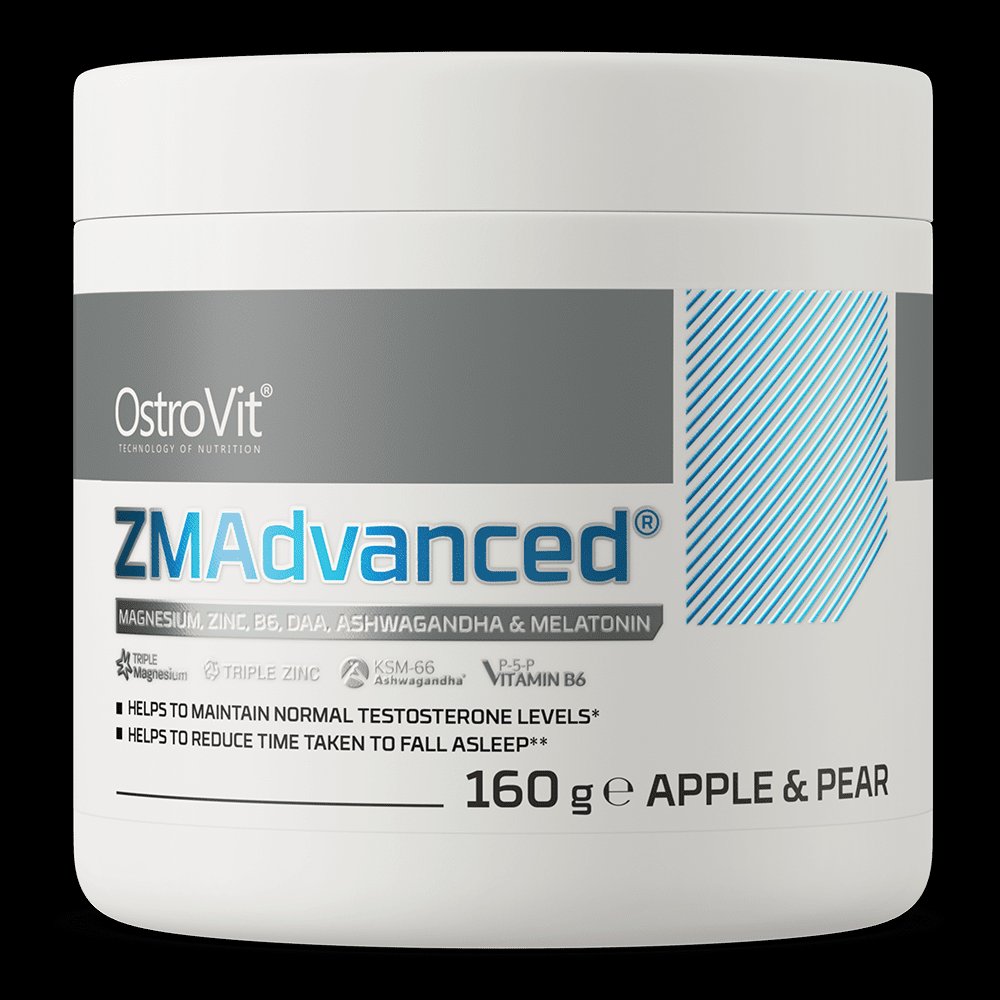
ZMA is a commercial supplement formula combining three micronutrients: zinc (typically as zinc aspartate or zinc monomethionine), magnesium aspartate, and vitamin B6 (pyridoxine or pyridoxal-5-phosphate). The combination was originally developed for athletes with the hypothesis that intense exercise depletes these minerals, and that restoring optimal levels would support recovery, hormone balance, and sleep quality.
All three components serve important physiological functions that are mechanistically connected to stress and sleep regulation. Understanding each independently helps explain why ZMA has attracted research interest and why athletes in particular may benefit from it.
How Magnesium, Zinc, and B6 Affect Sleep and Stress
Magnesium is involved in over 300 enzymatic reactions and plays a direct role in regulating the hypothalamic-pituitary-adrenal (HPA) axis, the body's central stress-response system. It acts as a natural antagonist at NMDA glutamate receptors, helping to limit excitatory neuronal firing that can drive anxiety and hyperarousal. Magnesium also enhances the activity of GABA, the brain's primary inhibitory neurotransmitter, and promotes relaxation.
Zinc is essential for the synthesis and release of several neurotransmitters relevant to sleep and mood regulation. It modulates GABA-A receptor activity and plays a role in hippocampal neurogenesis. Zinc deficiency is associated with heightened anxiety responses and disrupted sleep architecture in animal models, and surveys suggest that a significant proportion of active adults have suboptimal zinc intake due to dietary patterns and sweat losses during training.
Vitamin B6 is a critical cofactor in the biosynthesis of serotonin from tryptophan and GABA from glutamate. Both neurotransmitter pathways directly influence mood stability, sleep onset, and the stress response. Without adequate B6, the body cannot efficiently produce these calming neurotransmitters regardless of precursor availability.
RCT Evidence for Magnesium and Sleep
The strongest human clinical trial evidence within the ZMA framework relates specifically to magnesium. Abbasi and colleagues (2012) conducted a double-blind, placebo-controlled RCT in elderly adults with primary insomnia. Participants receiving magnesium supplementation showed significant improvements in sleep quality scores, insomnia severity, sleep efficiency, sleep duration, and early morning awakening compared to placebo (Abbasi et al., 2012). This is a well-designed trial published in a peer-reviewed medical journal.
Nielsen, Johnson, and Zeng (2010) examined the effects of magnesium supplementation in adults over 51 with poor sleep quality. The supplemented group showed improvements in sleep quality alongside reductions in inflammatory stress markers (Nielsen et al., 2010). Magnesium's effect on sleep appears particularly relevant in those with marginal deficiency, which is common in Western diets and more so in athletes training intensively.
The zinc and B6 components of ZMA have not been studied as extensively in sleep-specific human RCTs. Most evidence for zinc in this context comes from mechanistic studies or animal models rather than powered human trials. For stress, Prasad (2008) reviewed zinc's role in immune and neuroendocrine function and noted that zinc deficiency exacerbates stress-response dysregulation (Prasad et al., 2008).
Is ZMA as a Formula Specifically Studied?
Here it is important to be transparent: the combined ZMA formula has received less rigorous clinical testing than its individual components. Much of the evidence for ZMA's sleep and stress effects is extrapolated from the well-established literature on magnesium and inferred from the mechanistic roles of zinc and B6. Athletes and coaches have long used ZMA based on this rationale, but the combined formula has not been validated in large, pre-registered RCTs with sleep quality as a primary endpoint.
This does not mean ZMA is ineffective. It means that when it does work, the active mechanism is most likely the magnesium component, with zinc and B6 playing supporting roles by optimizing neurotransmitter synthesis and reducing the stress-amplifying effects of micronutrient insufficiency.
Effective Dose and Timing
The classic ZMA formula provides approximately 30 mg zinc, 450 mg magnesium, and 10.5 mg vitamin B6 per serving. This dosage is designed to address deficiency and support physiological function rather than to deliver pharmacological doses. Taking ZMA on an empty stomach 30 to 60 minutes before bed is typically recommended, as food can interfere with zinc absorption, particularly when calcium-rich foods are consumed simultaneously.
Products available at maxfit.ee include MST Zinc B6 Magnesium 60caps, OstroVit MgZB 90tabs, and OstroVit ZMAdvanced 160g, each providing standardized micronutrient content aligned with the ZMA concept. Consistency is important: micronutrient repletion typically requires several weeks of supplementation before physiological effects on sleep and stress become apparent.
Who Is Most Likely to Benefit
Athletes undergoing intensive training lose significant zinc and magnesium through sweat, and dietary surveys consistently show suboptimal intake in this population. Those eating calorie-restricted diets, plant-based diets low in bioavailable zinc, or processed food diets with low magnesium content are also at risk of insufficiency.
For these individuals, ZMA supplementation addresses a genuine nutritional gap. Restoring optimal magnesium and zinc status is more likely to produce measurable improvements in sleep quality and stress resilience than it would in individuals who already have adequate status from their diet.
People with normal dietary micronutrient intake and no signs of deficiency are less likely to observe dramatic effects from ZMA, as the body's regulatory mechanisms for these minerals operate within a relatively narrow range.
Honest Verdict
ZMA has a scientifically credible rationale for supporting sleep and stress resilience, driven primarily by the well-established evidence for magnesium's role in sleep quality and HPA axis regulation. The formula is safe at studied doses, well-tolerated, and addresses nutritional gaps that are genuinely common in active populations.
It is not a sedative and will not produce dramatic pharmacological effects in well-nourished individuals. For athletes or anyone with suboptimal magnesium and zinc intake, however, ZMA represents a rational, low-risk, evidence-informed supplement choice for sleep support. Expect gradual improvement over several weeks rather than immediate effects.
References
Abbasi, B., Kimiagar, M., Sadeghniiat, K., Shirazi, M.M., Hedayati, M., & Rashidkhani, B. (2012). The effect of magnesium supplementation on primary insomnia in elderly: A double-blind placebo-controlled clinical trial. Journal of Research in Medical Sciences, 17(12), 1161-1169. https://pubmed.ncbi.nlm.nih.gov/23853635/
Nielsen, F.H., Johnson, L.K., & Zeng, H. (2010). Magnesium supplementation improves indicators of low magnesium status and inflammatory stress in adults older than 51 years with poor quality sleep. Magnesium Research, 23(4), 158-168. https://pubmed.ncbi.nlm.nih.gov/21199787/
Prasad, A.S., Beck, F.W., Bao, B., Fitzgerald, J.T., Snell, D.C., Steinberg, J.D., & Cardozo, L.J. (2007). Zinc supplementation decreases incidence of infections in the elderly: effect of zinc on generation of cytokines and oxidative stress. American Journal of Clinical Nutrition, 85(3), 837-844. https://pubmed.ncbi.nlm.nih.gov/17344507/
FAQ
How long does ZMA take to work for sleep?
Micronutrient repletion typically requires consistent use over two to four weeks before sleep quality improvements become apparent. ZMA is not a fast-acting sedative; it works by addressing nutritional gaps that underlie suboptimal sleep.
Can ZMA be taken with other supplements?
ZMA is generally safe to combine with most other supplements. However, calcium-rich supplements or foods taken at the same time may reduce zinc absorption, so separating ZMA from calcium-containing products by at least two hours is advisable.
Who benefits most from ZMA?
Athletes with heavy training loads, individuals eating calorie-restricted or plant-based diets, and those with generally low micronutrient intake are most likely to notice meaningful improvements in sleep quality and stress resilience from ZMA supplementation.