What Is Whey Protein Concentrate?
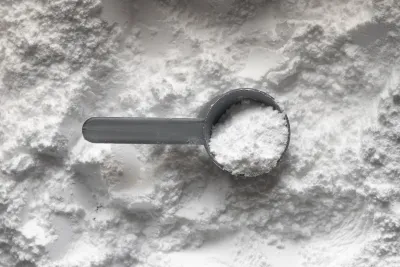
Whey protein concentrate (WPC) is the most common and traditional form of whey protein. It is obtained from the whey produced during dairy processing through filtration and typically contains 70–80% protein by dry weight. The remainder consists of natural milk components: some fat, lactose, and bioactive compounds.
Concentrate is the most popular protein supplement among both recreational and experienced athletes, thanks to its price point and diverse composition.
How It Works
Whey protein concentrate is a fast-digesting protein. After consumption, the digestive tract breaks the protein down into amino acids, which reach the bloodstream and become available for the body to build various tissues, including muscle tissue.
Unlike isolate, concentrate retains a larger portion of milk's naturally occurring bioactive compounds during the filtration process, such as immunoglobulins and lactoferrin. This gives concentrate a more diverse nutritional profile.
Proven Benefits
Whey protein concentrate is a protein source for which the following EU-approved health claims apply:
-
Protein contributes to a growth in muscle mass (Commission Regulation (EU) No 432/2012). This claim is valid provided the food is at least a source of protein, meaning at least 12% of energy comes from protein.
-
Protein contributes to the maintenance of muscle mass (Commission Regulation (EU) No 432/2012). This claim is valid provided the food is at least a source of protein.
-
Protein contributes to the maintenance of normal bones (Commission Regulation (EU) No 432/2012). This claim is valid provided the food is at least a source of protein.
These are the only approved health claims for protein. Other claims such as "builds muscle" or "burns fat" are not permitted.
How to Take
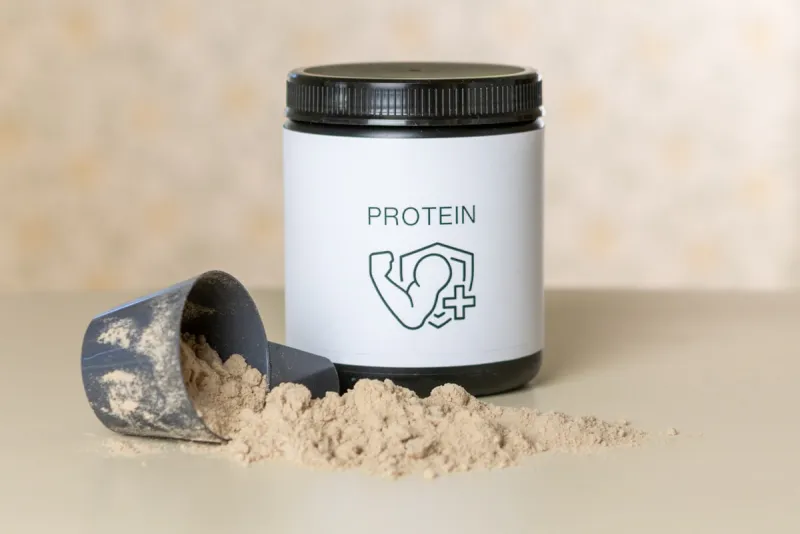
Whey protein concentrate is consumed as a powder mixed with liquid.
Servings: Follow the recommendation on the product label. Usually one measuring scoop constitutes one serving.
Best times:
- After training, to ensure amino acid availability
- In the morning with breakfast
- Between meals, when you want to supplement your daily protein intake
Preparation: Mix the powder in a shaker with water or milk. Concentrate also works well in smoothies and porridge. Thanks to the natural milk fats it contains, concentrate often has a soft, creamy taste.
Who Should Use It?
Whey protein concentrate is well suited for:
- Those new to protein supplements — concentrate offers the best value for money
- Athletes who want a diverse nutrient profile — it contains bioactive compounds in addition to protein
- People who value great taste — natural milk fats give concentrate a richer flavour
- Anyone who wants to conveniently increase their daily protein intake
Note: Concentrate contains more lactose than isolate. For lactose intolerance, isolate may be a better choice. Those with milk allergy should avoid whey protein.
Frequently Asked Questions
What is the difference between concentrate and isolate?
Concentrate typically contains 70–80% protein per serving and has more of milk's natural components (fat, lactose, bioactive compounds). Isolate contains 90%+ protein and has low fat and lactose content.
Is concentrate worse than isolate?
No. Concentrate and isolate are both quality protein sources. Concentrate has a more diverse composition and a more affordable price, while isolate is better suited for lactose intolerance or very strict calorie tracking.
Can concentrate be used in smoothies?
Yes, concentrate works excellently in smoothies. Blend it with fruits, berries, and milk for a tasty and nutritious drink.
Is concentrate suitable for people with lactose intolerance?
Concentrate contains more lactose than isolate. For mild intolerance it may be tolerable, but for moderate or severe intolerance, isolate is a better choice.
When should I prefer concentrate over isolate?
Concentrate is a good choice when lactose does not cause problems, you want a more affordable price, you appreciate a richer taste, or you prefer a more diverse composition.
How should I store whey protein concentrate?
Keep the opened package in a cool, dry place, tightly sealed. Do not leave the powder in a humid environment, as it may clump.
See also:
- Whey Protein Isolate: Guide
- Casein Protein: Guide
- Whey Protein: Concentrate vs Isolate vs Hydrolysate
- Whey Isolate vs Concentrate: Which One Is Right for You?
- Budget-Friendly High Protein Foods: How to Get Enough Protein on a Tight Budget
Browse whey protein concentrate →
Important Notice
A food supplement is not a substitute for a varied and balanced diet and a healthy lifestyle.