What Is Betaine (TMG)?
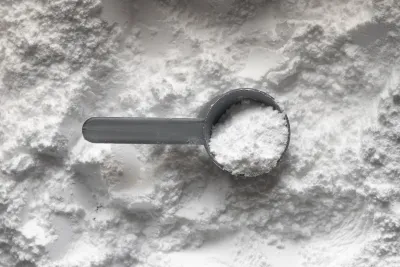
Betaine, also known as trimethylglycine (TMG), is a naturally occurring compound found abundantly in sugar beets (its name comes from the Latin Beta, the sugar beet genus), spinach, quinoa, and whole grains. Chemically, betaine is a glycine molecule with three methyl groups attached.
Betaine's importance stems from two primary functions:
- Methyl group donor — crucial for epigenetics, homocysteine metabolism, and osmoprotection
- Osmoprotectant — regulates cellular water content, acting as an intracellular osmotic buffer
For athletes, betaine has gained attention due to studies showing improvements in muscle power, explosive strength, and endurance (Cholewa et al., 2013).
Betaine's Effect on Muscles
Strength and Power
A study in strength athletes using 2.5 g of betaine per day for 15 days showed:
- A 5% increase in vertical jump height
- A 6% increase in force production
- Improved performance in squats and bench press
Another 6-week study using 2.5 g/day alongside resistance training demonstrated statistically significant increases in lean muscle mass and decreases in fat mass (Cholewa et al., 2013).
Endurance
Betaine's favorable effects on endurance are linked to its osmolytic function — like taurine, betaine regulates cellular water content under stress conditions, which matters for sustained performance over longer durations.
Homocysteine and Heart Health
Homocysteine is an amino acid whose elevated blood levels are associated with increased risk of cardiovascular disease, stroke, and cognitive decline. Betaine is one of the most effective natural homocysteine reducers — it acts by converting homocysteine back to methionine (Olthof & Verhoef, 2005).
A study found that 6 g of betaine per day reduced homocysteine levels by up to 20%, comparable to the effect of folate. In countries like Estonia where B-vitamin deficiency is more common in winter months, betaine may be particularly important for additional homocysteine management.
Methylation and Epigenetics
Betaine is a methyl group donor — required for many reactions needing methyl group transfer:
- DNA methylation (gene expression regulation)
- Lipid metabolism (choline metabolism)
- Creatine synthesis (in part)
Taking betaine alongside folate, B12, and choline forms a comprehensive methylation support stack — particularly valuable for individuals with MTHFR gene mutations that limit folate activation.
Optimal Dosing
| Goal | Daily dose | Notes |
|---|---|---|
| Athletic strength and power | 2.5 g | Split into 2 doses |
| Homocysteine reduction | 3–6 g | Medical context |
| Methylation support | 500–2000 mg | With B12 and folate |
| General health | 1–2 g | Any time with food |
Athletes typically use 2.5 g/day — the best-researched sports dose. This can be split between morning (1.25 g) and pre-workout (1.25 g) timing.
Food Sources vs Supplements
| Food | Betaine per 100g |
|---|---|
| Sugar beet | 114–297 mg |
| Spinach | 600–645 mg |
| Quinoa | 390 mg |
| Whole wheat bran | 1339 mg |
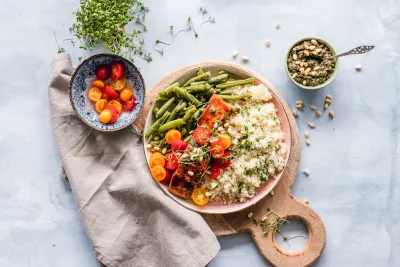
Achieving the sports dose (2.5 g) through diet alone would require very large quantities of these foods daily. Supplementation is therefore the practical route.
Browse the BCAA and pre-workout supplements categories at maxfit.ee — some pre-workout formulas include betaine as a performance ingredient alongside other compounds.
Smart Combinations
- Creatine — both support muscle power through different mechanisms; the combination may yield greater synergistic strength effects
- B vitamins (B12, folate) — complement betaine on the methylation pathway; together provide more comprehensive homocysteine management
- Choline — betaine spares choline usage in the body; the combination supports liver function and lipid metabolism
- Vitamin D — often deficient in winter periods (in Estonia, October through March); combination with vitamin D supports overall health, bone function and immunity
Safety and Side Effects
Betaine is generally well tolerated. At higher doses (>3 g/day), some people may experience:
- Gastrointestinal disturbances
- Nausea
- A characteristic body odor (fishy smell) — related to trimethylamine production in some individuals
Important: betaine may raise LDL cholesterol levels. Those with already elevated LDL should use higher doses with caution and monitor lipid levels.
Conclusion
Betaine (TMG) is a multi-study-supported supplement with both athletic (muscle power, explosive strength) and health (homocysteine reduction, methylation) benefits. 2.5 g/day is the well-researched sports dose that is also practically achievable. It is a good fit for those seeking a non-stimulant training performance enhancer.
FAQ
Is betaine the same as beet extract?
Betaine was first discovered in sugar beet (Beta vulgaris) in the 19th century, hence the name. Beet juice and beet powder are good natural sources, but supplemental betaine anhydride provides a more precisely controlled dose.
Does betaine help with fat loss?
Betaine is not a direct fat loss supplement, but one randomized trial showed improved body composition (muscle mass gain and fat mass reduction) alongside resistance training. The effect is modest and linked to overall athletic performance improvement.
Are betaine and beta-alanine the same?
No — these are completely different compounds with different benefits. Betaine is trimethylglycine (methyl donor + osmoprotectant), beta-alanine is a carnosine precursor (buffers muscle acid). Both are appropriate in a pre-workout stack and complement each other.
References
- Cholewa, J. M., Guimarães-Ferreira, L., da Silva, C. A. A., Zanchi, N. E., & Antonio, J. (2013). Effects of betaine on body composition, performance, and homocysteine thiolactone. Journal of the International Society of Sports Nutrition, 10(1), 39.
- Olthof, M. R., & Verhoef, P. (2005). Effects of betaine intake on plasma homocysteine concentrations and consequences for health. Current Drug Metabolism, 6(1), 15–22.
- Craig, S. A. (2004). Betaine in human nutrition. American Journal of Clinical Nutrition, 80(3), 539–549.
- Lee, E. C., Maresh, C. M., Kraemer, W. J., Yamamoto, L. M., Hatfield, D. L., Bailey, B. L., & Armstrong, L. E. (2010). Ergogenic effects of betaine supplementation on strength and power performance. Journal of the International Society of Sports Nutrition, 7(1), 27.