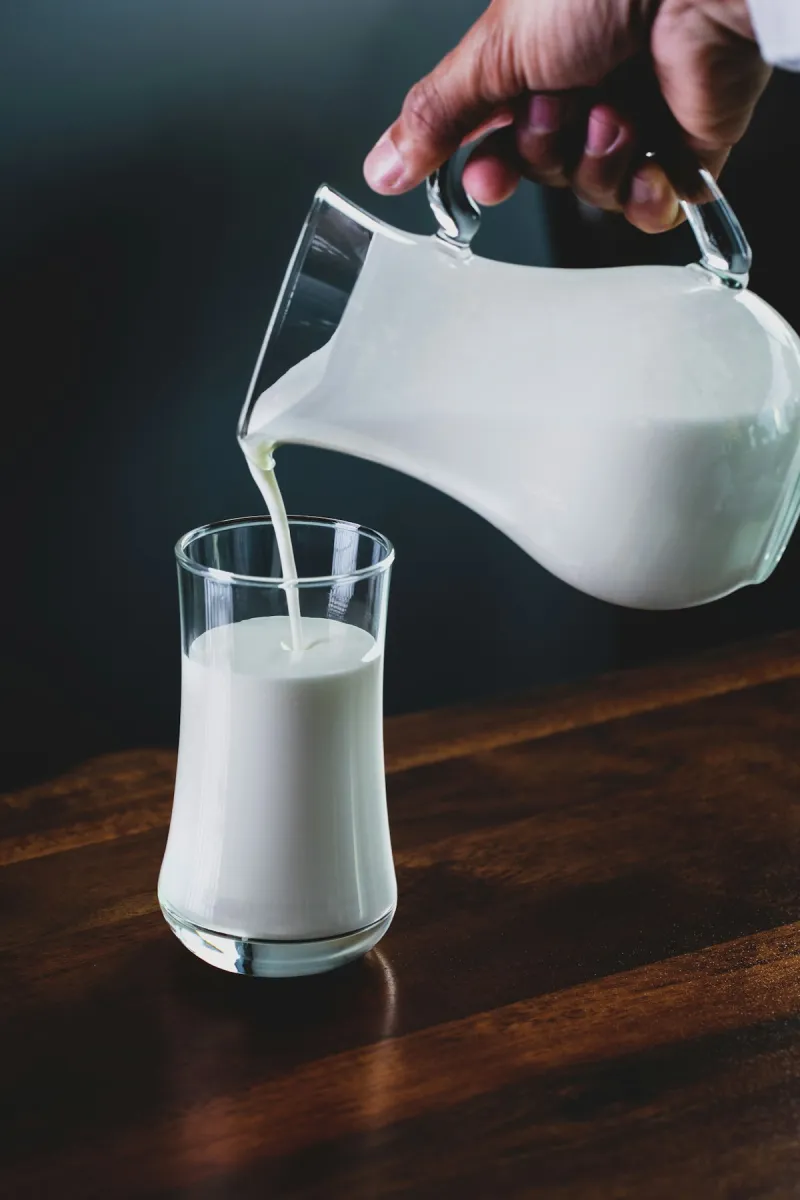
What Is Casein Protein?
Casein protein is the primary protein fraction in milk, making up approximately 80% of milk's total protein content (the remaining 20% is whey protein). Casein is known as a slow-digesting protein — meaning the body processes it over a longer period compared to whey protein.
Casein is derived from milk through a precipitation process. The most common form used in supplements is micellar casein, which preserves the protein's natural structure.
How It Works
The digestion of casein protein differs significantly from whey protein. Upon contact with stomach acid, casein forms a gel-like structure that slows its passage through the digestive tract. As a result, amino acids are released into the bloodstream gradually over a longer period.
This property makes casein a distinctly different protein compared to fast-absorbing whey. Whey protein is often preferred immediately after training, while casein is favoured for longer periods between meals.
Proven Benefits
Casein protein is a protein source for which the following EU-approved health claims apply:
-
Protein contributes to a growth in muscle mass (Commission Regulation (EU) No 432/2012). This claim is valid provided the food is at least a source of protein, meaning at least 12% of energy comes from protein.
-
Protein contributes to the maintenance of muscle mass (Commission Regulation (EU) No 432/2012). This claim is valid provided the food is at least a source of protein.
-
Protein contributes to the maintenance of normal bones (Commission Regulation (EU) No 432/2012). This claim is valid provided the food is at least a source of protein.
These are the only approved health claims for protein. Claims such as "speeds up recovery" or "protects muscles from breakdown" are not permitted.
How to Take
Casein protein is typically consumed as a powder mixed with liquid.
Servings: Follow the recommendation on the product label. One measuring scoop is usually one serving.
Best times:
- Before bed — casein's slow digestion makes it a popular choice for nighttime
- During long gaps between meals, when the next meal is several hours away
- As a snack, when you want a longer-lasting feeling of fullness
Preparation: Mix the powder in a shaker with water or milk. Casein is thicker than whey protein, so use enough liquid. You can also make a pudding-like dessert by mixing casein with a small amount of liquid.
Who Should Use It?
Casein protein is well suited for:
- Those who want nighttime protein intake — casein's slow digestion makes it a popular choice before bed
- People who want a longer-lasting feeling of fullness — casein's thicker consistency and slower digestion help maintain satiety for longer
- Athletes who consume various protein sources — casein can be combined with whey protein to diversify protein intake
- Cooks and bakers — casein's thicker texture makes it suitable for puddings and other recipes
Note: Casein is a milk protein. Those with milk allergy must avoid casein. Lactose intolerance may also cause discomfort with casein, although micellar casein has low lactose content.
Frequently Asked Questions
What is the difference between casein and whey protein?
The main difference is digestion speed. Whey protein is fast-absorbing and reaches the bloodstream more quickly. Casein digests more slowly, releasing amino acids over a longer period. Both are milk proteins and quality sources of amino acids.
Can casein be taken during the day too?
Yes, casein can be taken at any time. Although it is most popular before bed, it also works well as a snack or during long gaps between meals.
Can casein be mixed with whey protein?
Yes, many gym-goers use both whey and casein protein at different times throughout the day. Some products already contain both protein fractions.
Why is casein thicker than whey protein?
Casein has a different molecular structure, which creates a thicker consistency when mixed with liquid. This is a natural property, not a quality issue. Use more liquid if you prefer a thinner drink.
Is casein suitable for people with lactose intolerance?
Micellar casein contains some lactose. For mild intolerance it may be tolerable, but for more severe intolerance a plant-based protein source is a better choice. Those with milk allergy must avoid casein.
How do I make pudding from casein?
Mix one serving of casein powder with a small amount of cold liquid (approximately half the usual amount) until a thick paste forms. Place in the refrigerator for ten minutes. The result is a pudding-like dessert.
See also:
- Whey Protein Isolate: Guide
- Casein Protein: The Slow-Release Protein
- Protein Timing: Myth vs Science
Browse products at MaxFit →
Important Notice
A food supplement is not a substitute for a varied and balanced diet and a healthy lifestyle.