Recovery — Where Training Actually Pays Off
Training breaks down muscle — recovery is what builds it back stronger. Without proper recovery, you fall into the trap of overtraining and injury. Sleep is the number one foundation of recovery, but the right supplements can meaningfully support this process.
Here is a science-backed guide to supplements that help you recover faster between workouts.
Essential Recovery Supplements
1. Protein — The Foundation of Recovery
Protein contributes to the growth and maintenance of muscle mass. After training, the body needs amino acids to repair muscle damage and build new muscle tissue.
- Recommended dose: 20-40 g of protein within the training window (30-120 minutes post-workout)
- Daily dose: 1.6-2.2 g per kg of body weight (Morton et al., 2018), spread across 3-5 meals
- Form: Whey protein isolate (fast absorption), casein protein (slow absorption for overnight)
- Tip: Post-workout, liquid protein (shake) is usually more convenient and faster to absorb
2. Creatine — The Most Researched Sports Supplement
Creatine increases the body's phosphocreatine energy stores in muscles, supporting intense efforts (Kreider et al., 2017). Research shows it also supports recovery between training sessions (Rawson & Venezia, 2011).
- Recommended dose: 3-5 g creatine monohydrate per day
- Loading phase: Optional (20 g per day for 5-7 days) but not mandatory
- When to take: Any time — consistency matters more than timing
- Tip: Drink enough water (at least 2.5-3 litres per day)
3. Omega-3 Fatty Acids
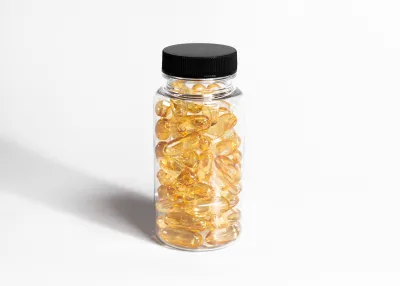
EPA and DHA contribute to normal heart function (Mozaffarian & Wu, 2011). Additionally, omega-3 fatty acids support normal joint function, which is important for active individuals.
- Recommended dose: 1,500-2,000 mg EPA+DHA per day
- Tip: Higher EPA content is better for supporting recovery
- Form: Triglyceride form is better absorbed
4. Tart Cherry Extract (Anthocyanins)
Tart cherry concentrate contains anthocyanins — natural polyphenols. Some scientific studies suggest that tart cherry consumption may support post-exercise recovery (Bowtell & Kelly, 2019).
- Recommended dose: 30-60 ml tart cherry concentrate per day
- When to use: Especially during intense training periods
- Alternative: Tart cherry capsules
5. Magnesium
Magnesium contributes to normal muscle function and electrolyte balance (Zhang et al., 2017). It is directly related to muscle relaxation and recovery.
- Recommended dose: 300-400 mg elemental magnesium per day
- Form: Magnesium glycinate — preferred for recovery and sleep support
- When to take: 1-2 hours before bed
- Tip: An Epsom salt bath is a pleasant addition, though skin absorption is minimal
6. Zinc
Zinc contributes to normal protein synthesis and cell division (Prasad, 2008). These processes are directly connected to muscle and connective tissue recovery.
- Recommended dose: 15-30 mg per day
- Form: Zinc bisglycinate
- When to take: Evening with food
7. Collagen
Collagen is the body's most abundant protein, making up a significant portion of connective tissue, tendons, and joints (Clark et al., 2008). A collagen supplement may support normal connective tissue function.
- Recommended dose: 10-15 g hydrolysed collagen per day
- Tip: Take with vitamin C (50-100 mg), as vitamin C contributes to normal collagen formation (Shaw et al., 2017)
- When to take: 30-60 minutes before training (for connective tissue) or any time (general support)
Sleep — The Cornerstone of Recovery
No supplement can replace adequate sleep. Training recovery happens primarily during deep sleep phases. Aim for 7-9 hours of sleep per night.
Sleep-supporting supplements:
- Magnesium (400 mg before bed)
- Support natural melatonin production — darken the bedroom and limit screen time before sleep
Post-Workout Nutrition Timing
| Time | Action | Supplement |
|---|---|---|
| 0-30 min after | Fast protein + carbs | 30 g whey protein + fruit |
| 1-2 hours after | Complete meal | Protein + carbs + fats |
| Before bed | Recovery support | Magnesium + zinc + casein protein |
Common Mistakes
- Ignoring recovery — more training does not mean more results if recovery suffers
- Focusing only on protein — recovery also requires minerals, omega-3 fatty acids, and adequate sleep
- Cycling creatine — creatine works best with continuous use; cycling is unnecessary
- Underestimating sleep — 1 extra hour of sleep is more effective than most supplements
- Consuming alcohol after training — alcohol significantly disrupts recovery processes and sleep
Frequently Asked Questions
Do I need to consume protein immediately after training? The anabolic window is wider than previously thought (Schoenfeld et al., 2013) — 30 minutes to 2 hours post-workout is sufficient. Total daily protein intake matters more.
Is creatine suitable for women? Absolutely. Creatine is equally effective and safe for women as for men. It does not cause bulking — it simply supports strength and recovery.
Does collagen replace protein powder? No — collagen is insufficient as a muscle protein because it contains few essential amino acids (especially leucine). Use collagen for connective tissue and whey protein for muscles.
References
- Morton RW, Murphy KT, McKellar SR, et al. (2018). A systematic review, meta-analysis and meta-regression of the effect of protein supplementation on resistance training-induced gains in muscle mass and strength in healthy adults. British Journal of Sports Medicine, 52(6), 376-384.
- Kreider RB, Kalman DS, Antonio J, et al. (2017). International Society of Sports Nutrition position stand: safety and efficacy of creatine supplementation in exercise, sport, and medicine. Journal of the International Society of Sports Nutrition, 14(1), 18.
- Rawson ES, Venezia AC. (2011). Use of creatine in the elderly and evidence for effects on cognitive function in young and old. Amino Acids, 40(5), 1349-1362.
- Mozaffarian D, Wu JH. (2011). Omega-3 fatty acids and cardiovascular disease: effects on risk factors, molecular pathways, and clinical events. Journal of the American College of Cardiology, 58(20), 2047-2067.
- Bowtell J, Kelly V. (2019). Fruit-derived polyphenol supplementation for athlete recovery and performance. Sports Medicine, 49(Suppl 1), 3-23.
- Zhang Y, Xun P, Wang R, et al. (2017). Can magnesium enhance exercise performance? Nutrients, 9(9), 946.
- Prasad AS. (2008). Zinc in human health: effect of zinc on immune cells. Molecular Medicine, 14(5-6), 353-357.
- Clark KL, Sebastianelli W, Flechsenhar KR, et al. (2008). 24-Week study on the use of collagen hydrolysate as a dietary supplement in athletes with activity-related joint pain. Current Medical Research and Opinion, 24(5), 1485-1496.
- Shaw G, Lee-Barthel A, Ross ML, et al. (2017). Vitamin C-enriched gelatin supplementation before intermittent activity augments collagen synthesis. American Journal of Clinical Nutrition, 105(1), 136-143.
- Schoenfeld BJ, Aragon AA, Krieger JW. (2013). The effect of protein timing on muscle strength and hypertrophy: a meta-analysis. Journal of the International Society of Sports Nutrition, 10(1), 53.
See Also
Browse our supplement selection →
Disclaimer
A food supplement is not a substitute for a varied and balanced diet and a healthy lifestyle.