Why Is Quality Sleep So Important?
Sleep is the cornerstone of recovery. During deep sleep, the body repairs tissues, strengthens the immune system, and consolidates memory. Chronic poor sleep increases the risk of heart disease, diabetes, and depression while affecting daily energy and concentration.
Yet according to European health surveys, one in three adults suffers from sleep problems. Sleep issues are particularly common among women aged 45-64, whose hormonal changes, stress, and daily demands directly impact sleep quality.
Supplements can help, but there are many to choose from. In this article, we compare the four most popular sleep supplements — magnesium glycinate, melatonin, L-theanine, and valerian — and help you find the right one.
Which Sleep Supplement Is Right for You?
Each sleep supplement works differently. The choice depends on your primary sleep challenge.
| Problem | Best Choice | Why |
|---|---|---|
| Can't fall asleep (racing thoughts) | L-theanine | Calms without drowsiness |
| Waking during the night | Magnesium glycinate | Sustained nervous system relaxation |
| Circadian rhythm disruption | Melatonin | Regulates sleep-wake cycle |
| General tension and restlessness | Valerian | Promotes GABA activity |
| Muscle tension and cramps | Magnesium glycinate | Relaxes muscles |
How Does Magnesium Glycinate Improve Sleep Quality?
Magnesium glycinate is one of the most bioavailable forms of magnesium. Unlike magnesium oxide, it does not cause digestive disturbances and is suitable for long-term use.
How it works:
- Activates the parasympathetic nervous system ("rest and digest" mode)
- Regulates GABA receptors — the primary calming neurotransmitter
- The glycine component is itself a calming amino acid
- Reduces muscle tension and cramps
Scientific evidence:
- Abbasi et al. (2012) showed that 500mg of magnesium over 8 weeks improved sleep quality, sleep onset time, and natural melatonin production in older adults
- Held et al. (2002) found that magnesium deficiency is directly linked to poor sleep quality and frequent nighttime waking
Dosing:
- 200-400mg elemental magnesium 1-2 hours before bedtime
- Start with 200mg and increase as needed
- Safe for long-term use
Especially suited for:
- Women 45+ — menopause depletes magnesium levels
- People with stressful lifestyles — stress depletes magnesium
- Those suffering from muscle tension and cramps
Explore our magnesium selection.
Does Melatonin Help You Fall Asleep and When Should You Use It?
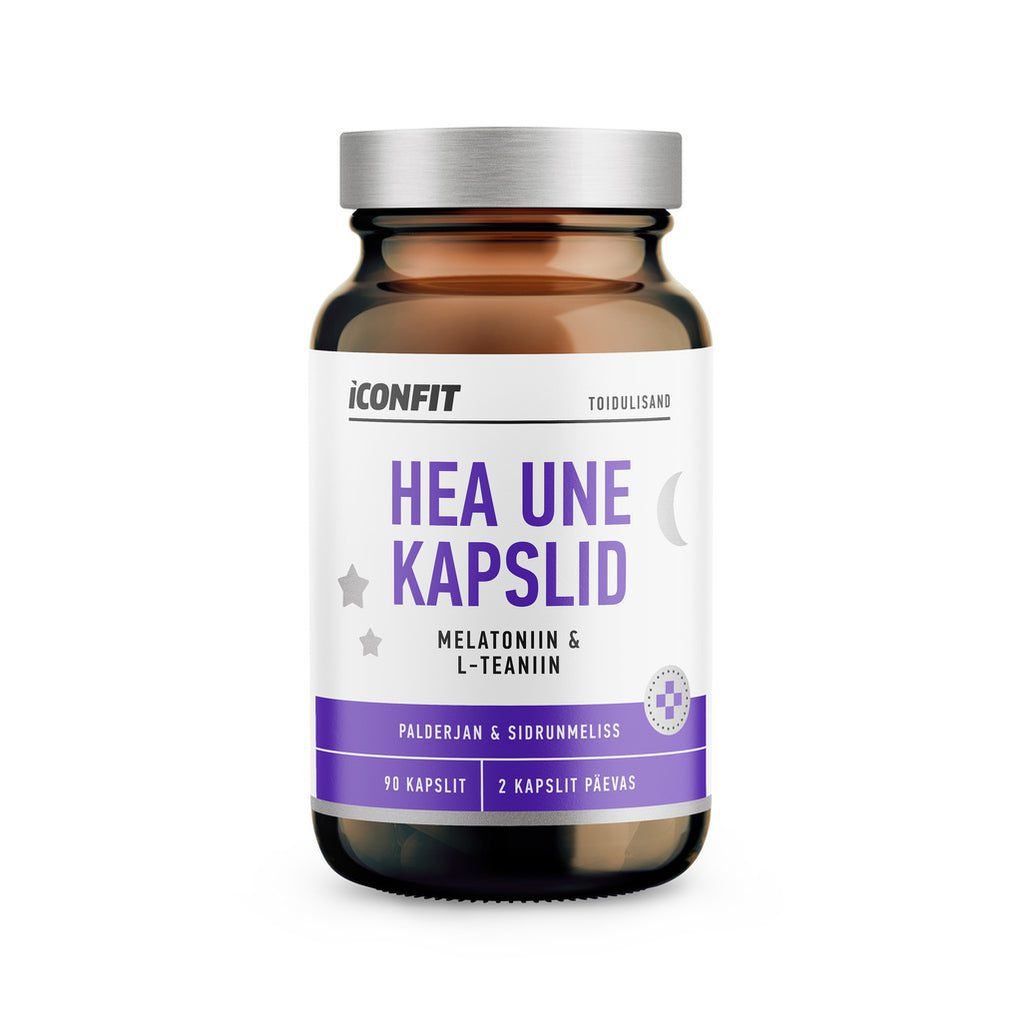
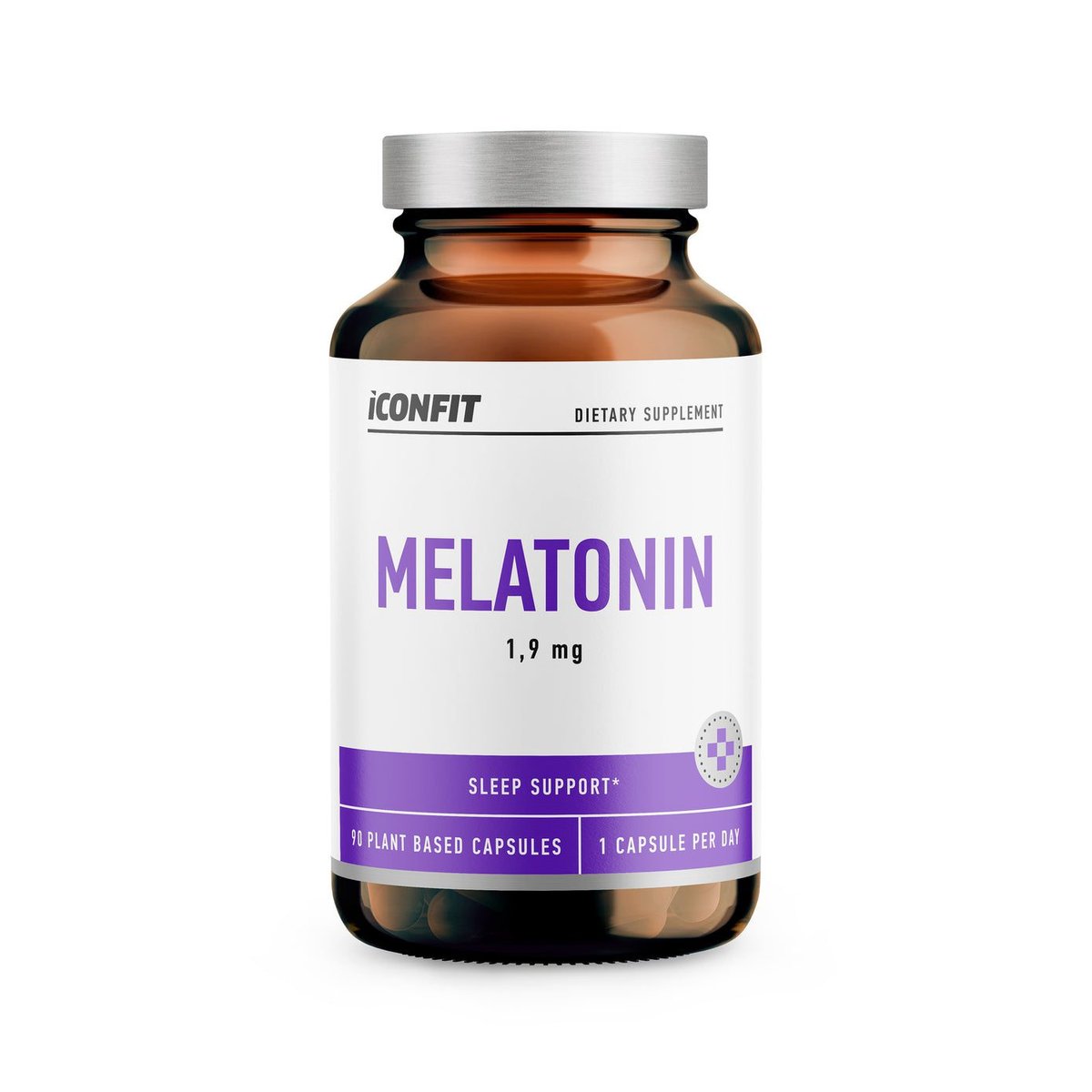
Melatonin is a hormone naturally produced by the pineal gland in darkness. It is not a classical sleep aid — it signals the body that it is time to sleep.
How it works:
- Regulates the circadian rhythm (sleep-wake cycle)
- Sends a "bedtime" signal to the body
- Does not create dependency
- Does not cause morning "hangover" feeling
When to use:
1. Circadian rhythm disruptions — shift work, jetlag
2. Screen-disrupted sleep — blue light suppresses natural melatonin
3. Age-related melatonin decline — production decreases after age 40
4. Difficulty falling asleep — when unable to fall asleep in the dark
IMPORTANT: A smaller dose is more effective!
| Goal | Dose | Timing |
|---|---|---|
| Sleep onset help | 0.3-1mg | 30-60 min before bed |
| Jetlag | 0.5-3mg | At destination nighttime |
| General sleep quality | 0.5-2mg | 30-60 min before bed |
Common mistake: People take 5-10mg when studies show that 0.3-1mg is often more effective. A higher dose can actually worsen sleep.
Explore our melatonin selection.
Why Is L-Theanine Perfect for Those Who Can't Sleep Due to Anxiety?
L-theanine is an amino acid from green tea that promotes relaxation without causing drowsiness. It is the ideal choice for those whose sleep is disrupted by racing thoughts in bed.
How it works:
- Promotes alpha brain waves — calm yet alert state
- Raises GABA, serotonin, and dopamine levels
- Reduces glutamate overactivity (excitatory neurotransmitter)
- Does not create dependency or tolerance
Sleep studies:
- Hidese et al. (2019) found that 200mg of L-theanine daily reduced stress symptoms and improved sleep quality
- Lyon et al. (2011) showed that L-theanine improved sleep quality in children with ADHD — reducing nighttime restlessness
Dosing:
- 200mg 1 hour before bedtime
- Can be safely combined with magnesium
- Does not cause morning drowsiness
Especially suited for:
- People with anxiety disorders
- Overworked and stressed individuals
- Coffee drinkers who want to wind down in the evening
Explore our L-theanine selection.
Is Valerian an Effective Sleep Supplement?
Valerian (Valeriana officinalis) is one of the oldest herbal sleep remedies. It has been used since ancient Greece.
How it works:
- Contains valerenic and isovaleric acid that affect GABA receptors
- Promotes GABA release and inhibits its breakdown
- Sedative (calming) effect — unlike L-theanine
- Effects are cumulative — they strengthen over 2-4 weeks
Scientific evidence:
- Bent et al. (2006) meta-analysis found that valerian improves subjective sleep quality without significant side effects
- Fernandez-San-Martin et al. (2010) confirmed that valerian is more effective than placebo for improving sleep quality
Dosing:
- 300-600mg standardized extract (0.8% valerenic acid content) 1-2 hours before bed
- Works better with regular use (2-4 weeks)
- A single dose may help, but consistent use is more effective
Suited for:
- People with mild to moderate sleep issues
- Those who prefer herbal solutions
- People who feel tense before bedtime
Explore our valerian selection.
How Can You Safely Combine These Sleep Supplements?
Individual supplements can help, but sometimes a combination delivers better results. Here are evidence-based combinations.
Golden Combination: Magnesium + L-Theanine
- Magnesium relaxes muscles and the nervous system
- L-theanine calms the mind
- 200-400mg magnesium + 200mg L-theanine 1h before bed
- Suitable for daily use
Traveler's Combination: Melatonin + Magnesium
- Melatonin regulates the circadian rhythm
- Magnesium supports sleep depth
- 0.5-1mg melatonin + 200mg magnesium 30-60 min before bed
- Especially useful for jetlag and shift work
Deep Relaxation: Valerian + Magnesium
- Valerian's sedative effect + magnesium's muscle relaxation
- 300mg valerian + 200mg magnesium 1-2h before bed
- A good choice for more significant sleep issues
What NOT to Combine
- Valerian + melatonin + alcohol — excessive sedation
- Any sleep supplement + prescription medication — consult your doctor
- More than 3 sedative supplements at once — always start with one
Which Sleep Supplement Should You Choose in the 45-64 Age Range?
This age group requires a particularly careful approach, as several factors are at play: hormonal changes, elevated stress levels, and age-related magnesium deficiency.
Step-by-step approach:
1. Start with magnesium glycinate (200-400mg in the evening) — this often solves the problem on its own
2. Add L-theanine (200mg) if anxiety is preventing sleep
3. Try melatonin (0.3-1mg) if your circadian rhythm is disrupted
4. Consider valerian if nothing else helps and you prefer herbal solutions
Important:
- Before taking supplements, improve sleep hygiene: dark and cool bedroom (65-68°F/18-20°C), screens off 1h before bed, regular sleep schedule
- Always start with one supplement at a time
- Give each supplement at least 2 weeks before evaluating results
- Consult your doctor if you take medications
Quick Overview: Which Sleep Supplement to Choose?
| Supplement | Best Use | Onset | Dependency Risk | Cost |
|---|---|---|---|---|
| Magnesium glycinate | Overall sleep quality, muscles | 1-2 weeks | None | €€ |
| Melatonin | Falling asleep, circadian rhythm | 30-60 min | None | € |
| L-theanine | Anxiety, calming thoughts | 30-45 min | None | €€ |
| Valerian | Tension, mild sedation | 2-4 weeks | None | € |
Summary
Magnesium glycinate is the best universal choice — it is safe, effective, and addresses multiple problems at once (muscle tension, anxiety, sleep depth). Start here.
Melatonin is the best choice for circadian rhythm disruptions — use small doses (0.3-1mg) and do not exceed 3mg.
L-theanine is perfect for those whose anxiety or racing thoughts prevent sleep — it relaxes without causing drowsiness.
Valerian is a traditional herbal solution — it works more gradually but suits those who prefer a natural approach.
How to Build the Ideal Sleep Ritual With Supplements?
Supplements work best when part of a broader sleep ritual. Here is an evidence-based evening routine template.
3 hours before bed:
- Stop caffeine consumption (ideally 6-8 hours before bed)
- Eat a light dinner — do not go to bed on an empty stomach, but avoid heavy meals
- Foods that support sleep: cherries (natural melatonin), bananas (magnesium + tryptophan), almonds, turkey
2 hours before bed:
- Take magnesium glycinate (200-400mg)
- Take valerian if using (300-600mg)
- Dim the lights — switch to warm lighting
1 hour before bed:
- Take L-theanine (200mg) if using
- Stop screen use (or wear blue-light blocking glasses)
- Take a warm bath or shower — the body temperature drop after bathing promotes drowsiness
- Relaxation: reading, meditation, gentle stretching
30 minutes before bed:
- Take melatonin (0.3-1mg) if using
- Make the bedroom dark and cool to 65-68F/18-20C
Common mistakes to avoid:
- Using screens in bed — blue light suppresses melatonin by 50-90%
- Alcohol as a "sleep aid" — alcohol helps you fall asleep but destroys deep sleep phases
- Too much caffeine — the half-life is 5-6 hours, so coffee at 2pm still affects sleep
- Irregular sleep schedule — the circadian rhythm needs consistency
Most importantly: good sleep starts with sleep hygiene. Supplements are a supporting tool, not a replacement for healthy habits.
See also:
- Sleep Optimization for Athletes: Complete Guide
- Valerian vs Melatonin: Which Sleep Aid Is Right for You?
- Best Magnesium for Sleep: Which Form Actually Works?
---
Read more: Melatonin: A Science-Based Guide