What Is Rhodiola Rosea and Where Does It Come From?
Shop this category — in stock now
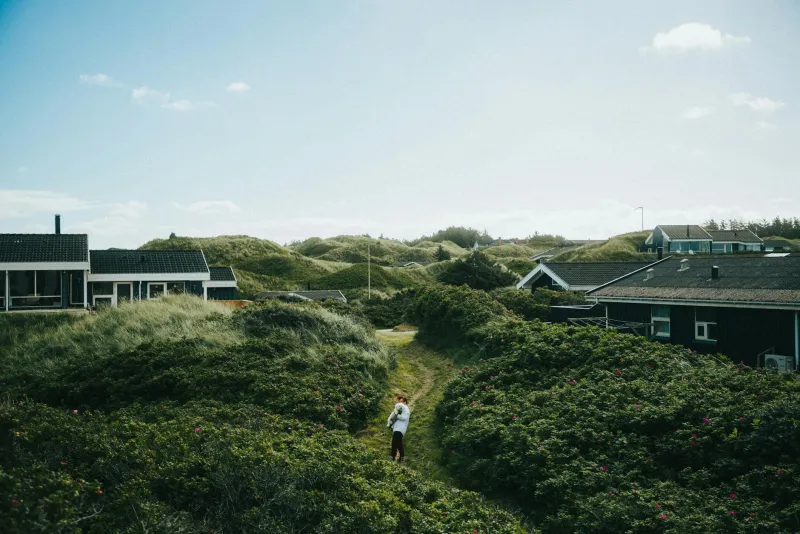
Rhodiola rosea is a powerful adaptogen — a plant that helps the body and mind cope better with stress. It grows in extreme conditions: arctic regions, high mountains, and cold climate zones across the northern hemisphere — in Scandinavia, Siberia, Iceland, and North America.
Rhodiola rosea has been used in folk medicine for centuries. Vikings used it to increase strength and endurance. In Siberia, it was used against cold and stress. The Soviet Union extensively researched rhodiola for improving performance of cosmonauts, soldiers, and athletes — many of these studies were published in Russian and only later reached Western scientific literature.
Active Compounds
The main bioactive compounds in rhodiola rosea are:
- Rosavin (rosavin, rosin, rosarin) — unique to rhodiola, typically standardized to 3%
- Salidroside — the most active compound, typically standardized to 1%
- Flavonoids — with antioxidant effects
- Organic acids — support absorption
A quality rhodiola extract should be standardized to at least 3% rosavins and 1% salidroside — this is the ratio found in the natural root.
How Does Rhodiola Work in the Body?
Rhodiola's adaptogenic effect manifests at multiple levels:
1. HPA Axis Regulation Rhodiola modulates the hypothalamic-pituitary-adrenal (HPA) axis, the body's primary stress response system. This helps:
- Stabilize cortisol levels
- Increase stress tolerance
- Accelerate recovery
2. Energy Metabolism Support Rhodiola affects mitochondrial function:
- Increases ATP production
- Improves oxygen consumption
- Supports fatty acid oxidation for energy
3. Neurotransmitter Modulation Rhodiola influences dopamine, serotonin, and noradrenaline levels:
- Improves mood and motivation
- Increases focus
- Reduces mental fatigue
4. Anti-inflammatory Effects Salidroside inhibits NF-kB pathways, reducing inflammatory cytokine production.
What Do Scientific Studies Show?
Physical Endurance and Sport
De Bock et al. (2004) — double-blind study:
- 24 healthy young adults
- 200 mg Rhodiola rosea extract for 4 weeks
- Results:
- Endurance time improved by 3%
- VO2 max increased
- Reaction time improved
- Effect was strongest in exhaustive tests
Parisi et al. (2010):
- Runners using 170 mg rhodiola extract for 30 days
- Improved pulmonary ventilation
- Lower perceived exertion (RPE) at the same workload
Noreen et al. (2013):
- 18 athletes, 3 mg/kg salidroside
- Time to exhaustion improved by 3.2% on cycle ergometer
- Effect was statistically significant
Mental Performance and Fatigue
Spasov et al. (2000) — military physicians study:
- 161 military cadets during night duty
- 370 mg SHR-5 (standardized extract)
- Results:
- Mental fatigue decreased significantly
- Mathematical performance improved
- Attention and memory improved
Darbinyan et al. (2000):
- 56 healthy physicians during night shifts
- 170 mg rhodiola extract vs placebo
- Cognitive performance improved significantly during the first 2 weeks
- Perceived fatigue decreased significantly
Olsson et al. (2009) — chronic fatigue study:
- 60 people with stress-related fatigue
- 576 mg SHR-5 daily for 4 weeks
- Burnout score decreased significantly
- Morning cortisol peak normalized
- Attention and memory improved
Stress and Anxiety
Cropley et al. (2015):
- 80 participants with mild anxiety
- 200 mg rhodiola extract 2x daily for 14 days
- Self-reported stress decreased significantly
- Anxiety, anger, and confusion scores dropped
Lekomtseva et al. (2017):
- 118 participants with burnout syndrome
- 200 mg Rhodiola rosea extract 2x daily for 12 weeks
- Emotional exhaustion decreased significantly
- Depersonalization score improved
- Personal achievement sense increased
Who Benefits Most from Rhodiola?
Greatest benefit:
- Intensely training athletes — improves endurance and recovery
- High-stress individuals — normalizes cortisol
- People with mentally demanding work — improves focus and memory
- People experiencing burnout — reduces emotional exhaustion
- Night shift workers — supports cognitive function
Less benefit:
- People with low stress levels
- Those already using stimulants (excessive stimulation)
What Is the Right Dose and Timing?
Dosing by Goal
| Goal | Dose | Timing |
|---|---|---|
| General stress/fatigue | 200-400 mg | Morning |
| Athletic performance | 200-600 mg | 30-60 min before training |
| Mental performance | 100-400 mg | Morning and/or lunchtime |
| Burnout/chronic fatigue | 400-600 mg | Morning, divided |
References
- Panossian A, Wikman G, Sarris J. (2010). Rosenroot (Rhodiola rosea): traditional use, chemical composition, pharmacology and clinical efficacy. Phytomedicine, 17(7), 481-493.
- De Bock K, Eijnde BO, Ramaekers M, Hespel P. (2004). Acute Rhodiola rosea intake can improve endurance exercise capacity. International Journal of Sport Nutrition and Exercise Metabolism, 14(3), 298-307.
- Darbinyan V, Kteyan A, Panossian A, et al. (2000). Rhodiola rosea in stress induced fatigue — a double blind cross-over study of a standardized extract SHR-5. Phytomedicine, 7(5), 365-371.
- Spasov AA, Wikman GK, Mandrikov VB, et al. (2000). A double-blind, placebo-controlled pilot study of the stimulating and adaptogenic effect of Rhodiola rosea SHR-5 extract on the fatigue of students. Phytomedicine, 7(2), 85-89.
- Olsson EMG, von Schéele B, Panossian AG. (2009). A randomised, double-blind, placebo-controlled, parallel-group study of the standardised extract SHR-5 of the roots of Rhodiola rosea in the treatment of subjects with stress-related fatigue. Planta Medica, 75(2), 105-112.
- Cropley M, Banks AP, Boyle J. (2015). The effects of Rhodiola rosea L. extract on anxiety, stress, cognition and other mood symptoms. Phytotherapy Research, 29(12), 1934-1939.
See also:
- Adaptogens for Stress Relief: Ashwagandha, Rhodiola, Holy Basil & L-Theanine
- Cordyceps: Energy, Endurance and Athletic Performance
- Ashwagandha for Athletes: Stress, Strength, and Recovery
Important Guidelines
- Start lower: 100-200 mg daily for the first 1-2 weeks
- Don't take in the evening: rhodiola is stimulating and may disturb sleep
- Cycle: 5 days on, 2 days off; or 3 weeks on, 1 week off
- On empty stomach: best absorption 30 min before a meal
- Effects appear: often within the first week (unlike many adaptogens)
Quality Criteria
- Standardized to 3% rosavins and 1% salidroside
- Prefer SHR-5 or WS 1375 extract (most studied)
- Avoid cheap extracts containing only salidroside — these may be made from other Rhodiola species
Does Rhodiola Have Side Effects?
General Safety Profile
Rhodiola is one of the safest adaptogens; in clinical studies, the side effect profile is similar to placebo.
Possible side effects (rare):
- Insomnia (if taken too late in the day)
- Mild irritability in the first few days
- Dry mouth
- Dizziness (at high doses)
Contraindications
- Bipolar disorder — rhodiola may provoke manic episodes
- Pregnancy and breastfeeding — insufficient data
- Autoimmune diseases — due to immune-stimulating effects
Drug Interactions
- Antidepressants (SSRIs) — may enhance serotonergic effect
- Stimulants — excessive stimulation
- Diabetes medications — may affect blood sugar
- Blood pressure medications — may enhance blood pressure lowering effect
How to Combine Rhodiola with Other Supplements?
Synergistic combinations:
- Rhodiola + ashwagandha — two adaptogens that complement each other: rhodiola is stimulating, ashwagandha is calming. Rhodiola in the morning, ashwagandha in the evening
- Rhodiola + magnesium — magnesium balances rhodiola's stimulating effect and supports recovery
- Rhodiola + coenzyme Q10 — both support mitochondrial function and energy production
- Rhodiola + B vitamins — support energy metabolism as a whole
- Rhodiola + L-theanine — L-theanine adds calm focus to rhodiola's energy
- Rhodiola + omega-3 — omega-3 supports brain health and anti-inflammatory effects
Avoid:
- Rhodiola + strong caffeine — excessive stimulation
- Rhodiola + another stimulating adaptogen (e.g., ginseng) simultaneously — too much stimulation
Our Recommendation
For Athletes
- 200-400 mg 30-60 min before training
- Standardized 3% rosavins / 1% salidroside
- Combine with magnesium and electrolytes
- Cycle: 5 days on / 2 days off
For Stress Management
- 200 mg in the morning on an empty stomach
- If needed, add a second 200 mg at lunchtime
- Combine with ashwagandha (in the evening)
- Use for at least 4 weeks to evaluate results
For Mental Performance
- 100-200 mg in the morning
- Add L-theanine for calm focus
- Support with B vitamins
- Don't take after 2:00 PM
Summary
Rhodiola rosea is one of the most powerful and best-studied adaptogens, with broad potential for both athletes and mentally stressed individuals.
Key takeaways:
- Improves physical endurance and mental performance
- Normalizes cortisol levels and stress response
- Effects often appear within the first week
- Standard dose: 200-600 mg daily, standardized 3% rosavins / 1% salidroside
- Take in the morning on an empty stomach, not in the evening
- Cycle usage to prevent tolerance
- Very safe side effect profile
- Best combined with ashwagandha, magnesium, or L-theanine