Coenzyme Q10 — Supplement for Heart & Cellular Energy

Coenzyme Q10 — Supplement for Heart & Cellular Energy
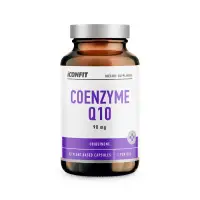
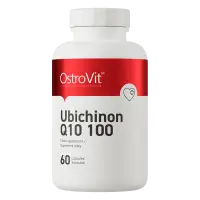
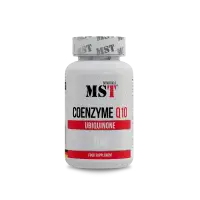
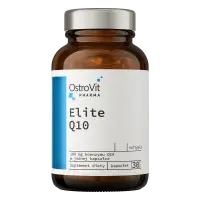
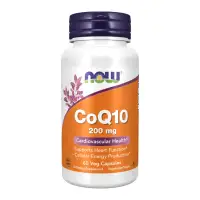
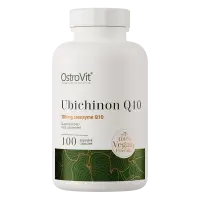
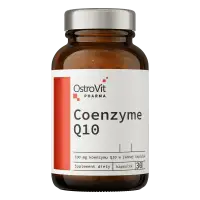
What is coenzyme Q10 and why is it important for the body's energy?
Coenzyme Q10 (CoQ10, ubiquinone) is a compound found in every cell of the body, involved in mitochondrial energy (ATP) production and acting as a powerful antioxidant. CoQ10 is especially important for organs with high energy demands — the heart, brain, and muscles. CoQ10 levels decline with age and statin use, making supplementation valuable for supporting heart health, energy levels, and cellular protection.
Frequently asked questions about coenzyme Q10
Yes, statins block the cholesterol synthesis pathway that also produces CoQ10. This can cause muscle pain and weakness, the most common statin side effect. Taking 100-200 mg of CoQ10 daily helps restore CoQ10 levels and alleviate statin-related muscle issues. Many cardiologists recommend CoQ10 supplements alongside statin therapy.
Ubiquinol (the active form) absorbs better and is immediately usable by the body, especially for those over 40. Ubiquinone (the oxidized form) is cheaper and the body converts it to ubiquinol, but conversion decreases with age. Ubiquinone suits those under 40; ubiquinol is more effective for older adults.
For general health and antioxidant protection, 100-200 mg per day is sufficient. For heart health support and statin side effect relief, 200-300 mg is recommended. Take CoQ10 with fatty food, as it is fat-soluble and absorbs up to 3 times better this way.
CoQ10 supports cellular energy production, which can improve endurance and post-workout recovery for athletes. Studies show that 100-300 mg of CoQ10 per day can reduce oxidative stress in muscle tissue and shorten recovery time. The effect is most noticeable in intense and endurance sports.