Saccharomyces Boulardii: The Yeast Probiotic Gaining Ground
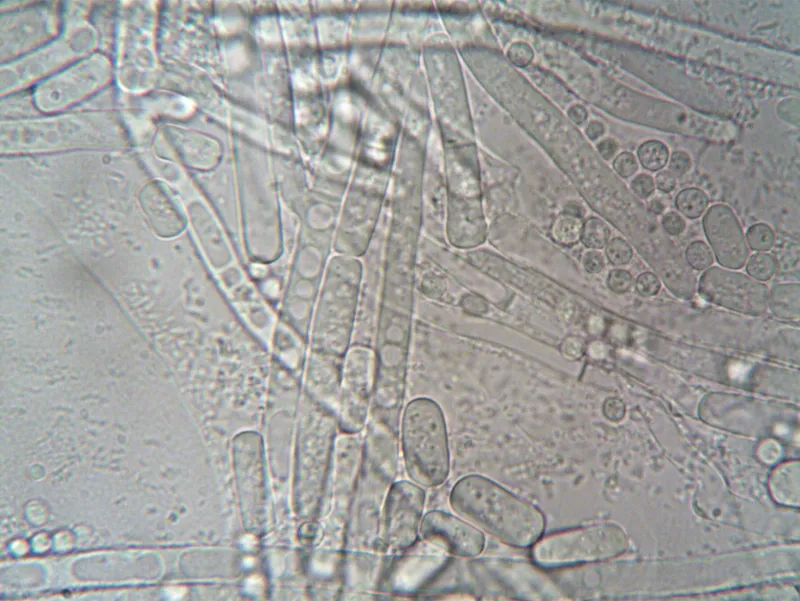
In the world of probiotics, bacterial strains dominate — lactobacilli, bifidobacteria, and their relatives. But there is one notable exception: Saccharomyces boulardii, a yeast-based probiotic in a class entirely of its own.
The Discovery Story
S. boulardii was discovered in the 1920s by French microbiologist Henri Boulard in Southeast Asia. He observed that local residents who consumed lychee fruits and mangosteen were more resistant to certain digestive ailments. The yeast was isolated from the skins of these fruits.
Since the 1950s, S. boulardii has been in clinical use in France and has since spread worldwide.
What Makes It Unique
S. boulardii stands apart from all other probiotics in several important ways:
1. It Is a Yeast, Not a Bacterium
Antibiotics target bacteria. Since S. boulardii is a yeast, it is completely unaffected by antibiotics. This makes it the only probiotic that can be reliably taken alongside antibiotic courses.
2. Excellent Survivability
S. boulardii survives very well through:
- Stomach acid (pH 2–3)
- Bile acids
- Body temperature (optimum 37 degrees C — exactly human body temperature)
3. Temporary Colonisation
Unlike many bacterial probiotics, S. boulardii does not permanently colonise the gut. It achieves a stable concentration within 3 days and clears within 3–5 days after cessation. This is actually an advantage — you have complete control over intake.
Scientific Evidence: McFarland 2010
McFarland (2010) published an extensive meta-analysis of S. boulardii clinical trials. Key conclusions:
- S. boulardii is effective at reducing antibiotic-associated diarrhoea
- Multiple studies showed it significantly reduced the risk of diarrhoea
- The safety profile was consistently good across studies
- Efficacy was demonstrated in both children and adults
This meta-analysis cemented S. boulardii's position as one of the probiotics with the strongest evidence base.
Mechanisms of Action
S. boulardii works through several unique mechanisms:
Protease production: S. boulardii produces proteases — enzymes that break down certain toxins in the gut. This is a mechanism that other probiotics do not offer.
Gut barrier support: Studies show that S. boulardii supports intestinal epithelial cells and the tight junctions between them.
Immune modulation: S. boulardii stimulates IgA (immunoglobulin A) production in the gut, which is an important component of mucosal immunity.
Antimicrobial activity: The yeast competes with pathogenic microorganisms for nutrients and adhesion sites.
Dosage and Usage
Typical dose: 250–500mg daily (usually 1–2 capsules)
Use with antibiotics:
- Start the same day as your antibiotic course
- Unlike bacterial probiotics, timing does not need to be separated — S. boulardii can be taken at the same time
- Continue for 1–2 weeks after completing the antibiotic course
For travel:
- S. boulardii is a popular travel probiotic
- Shelf-stable — no refrigeration needed
- Start a few days before departure
Safety and Contraindications
S. boulardii has a generally excellent safety profile:
- In use for over 60 years worldwide
- Well-tolerated by most people
- Serious side effects have been reported extremely rarely
Caution: Immunocompromised patients and those with central venous catheters should consult a physician before use, as rare cases of fungaemia have been reported.
S. boulardii vs Bacterial Probiotics
| Property | S. boulardii | Bacterial probiotics |
|---|---|---|
| Antibiotic effect | Not affected | Destroyed |
| Colonisation | Temporary (3–5 days) | Can be more permanent |
| Storage | Shelf-stable | Often require refrigeration |
| Mechanism | Proteases, toxin breakdown | Lactic acid production, competition |
| Optimal temperature | 37 degrees C | Varies by strain |
Quality Assurance
When selecting S. boulardii products, pay attention to:
- Strain designation — ensure the product contains Saccharomyces boulardii CNCM I-745 (the most studied strain) or equivalent
- CFU guarantee — does the manufacturer guarantee CFU count at the expiration date, not the manufacturing date?
- Capsule technology — enteric-coated capsules may improve survivability, though S. boulardii survives stomach acid well regardless
Summary
S. boulardii is a unique yeast-based probiotic that differs from bacterial strains in several important ways. The McFarland (2010) meta-analysis confirmed its efficacy in the context of antibiotic-associated digestive issues. Its unique mechanism — protease production — distinguishes it from all other probiotics. The typical dose is 250–500mg daily and it can be used simultaneously with antibiotics.
Dietary supplements are not a substitute for a varied, balanced diet and healthy lifestyle.
References
- McFarland, L.V. (2010). Systematic review and meta-analysis of Saccharomyces boulardii in adult patients. World Journal of Gastroenterology, 16(18), 2202-2222.
Browse our probiotic selection at MaxFit.ee →