
Magnesium Citrate vs Glycinate: What 2025 Research Reveals
In the world of magnesium supplements, two forms dominate the market: citrate and glycinate. Both are significantly better absorbed than common magnesium oxide, but they have clear differences that make the choice important depending on your goals.
Bioavailability Comparison
Shop this category — in stock now
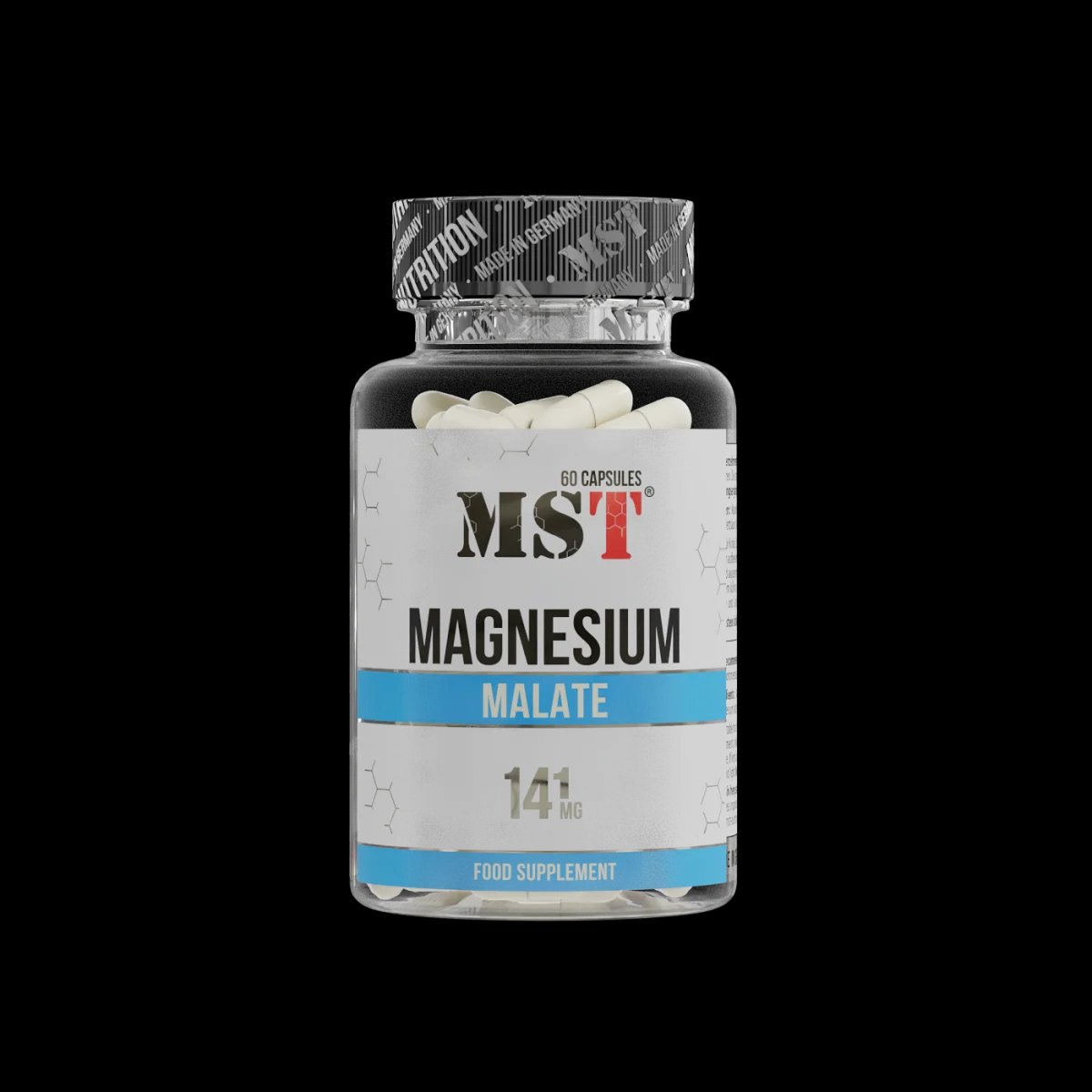
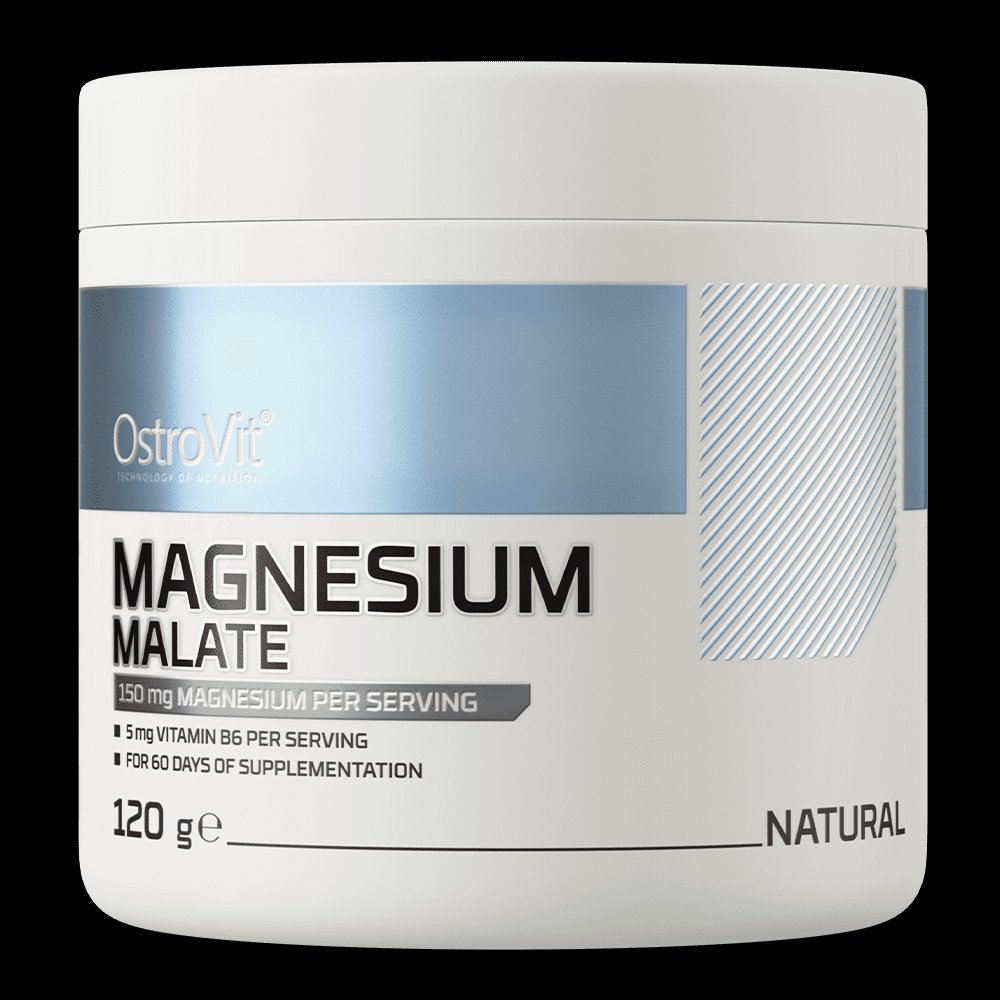
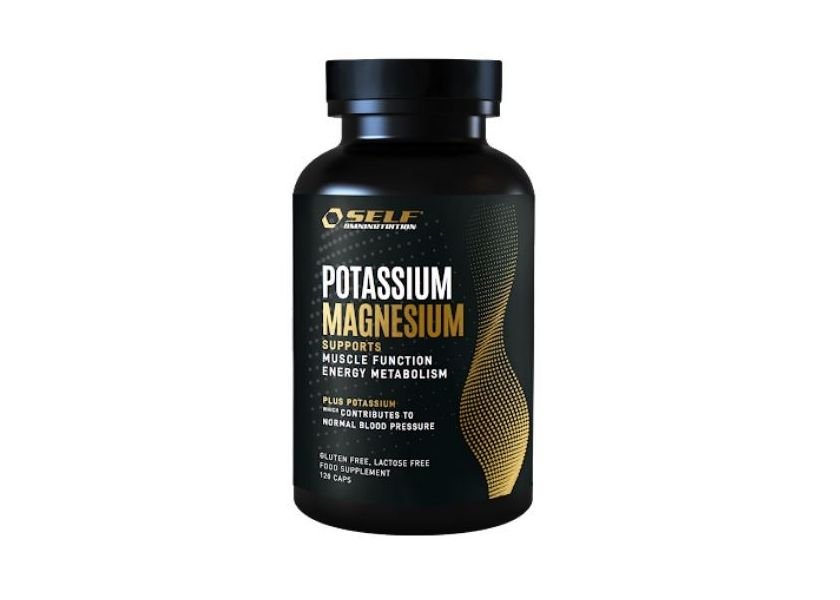
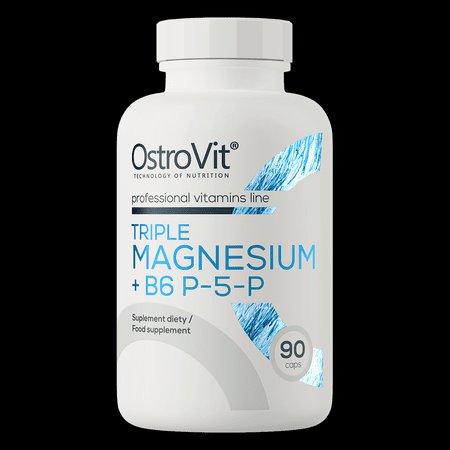
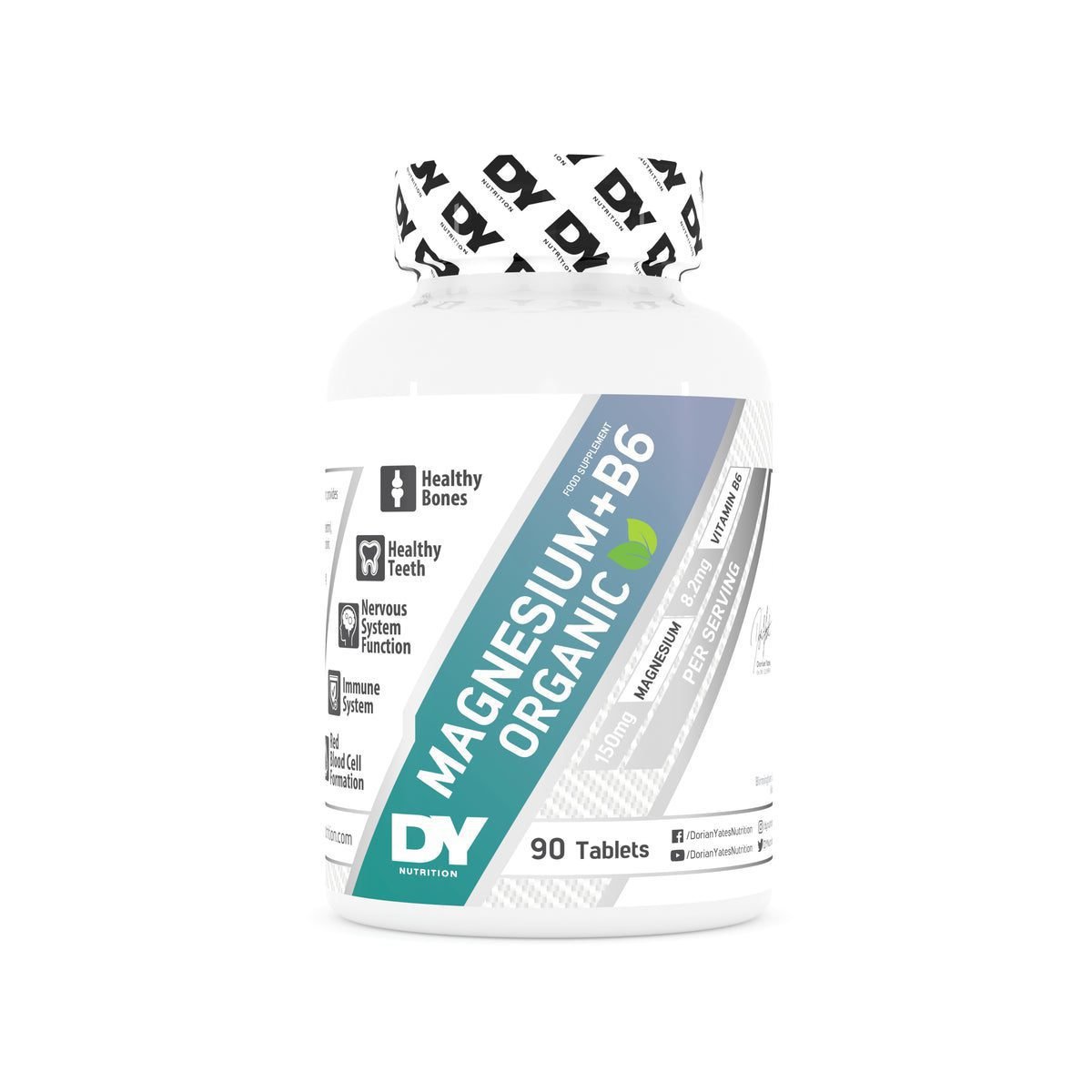
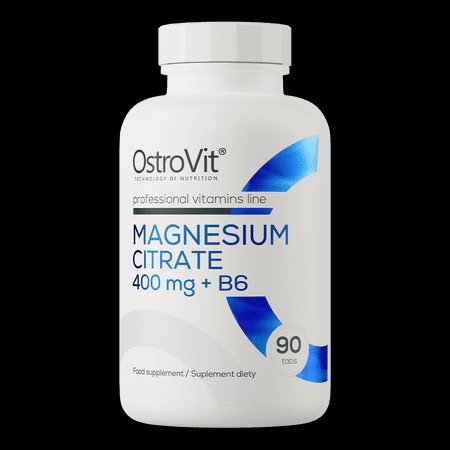
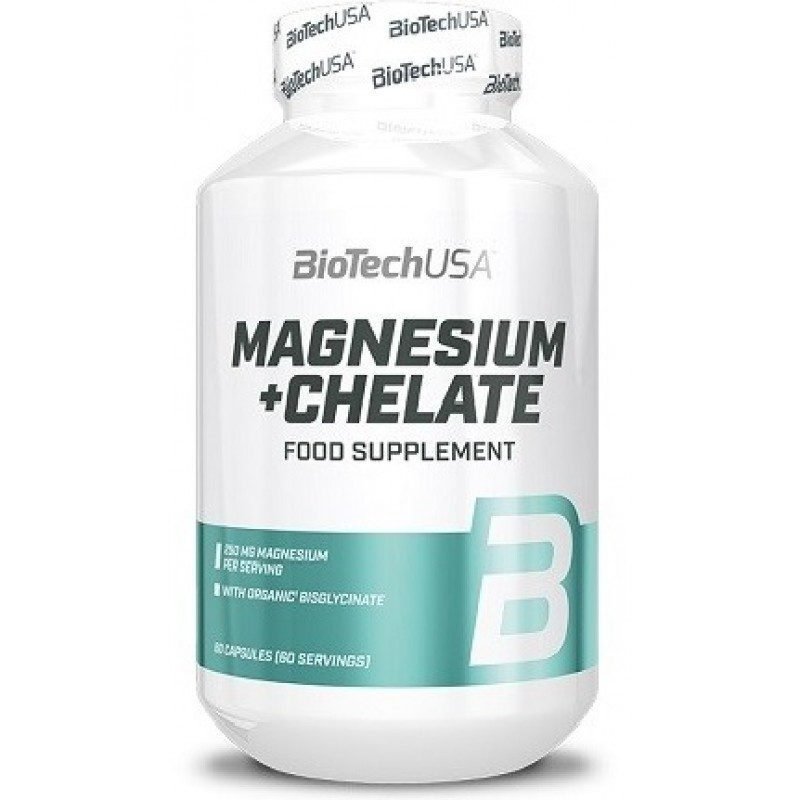
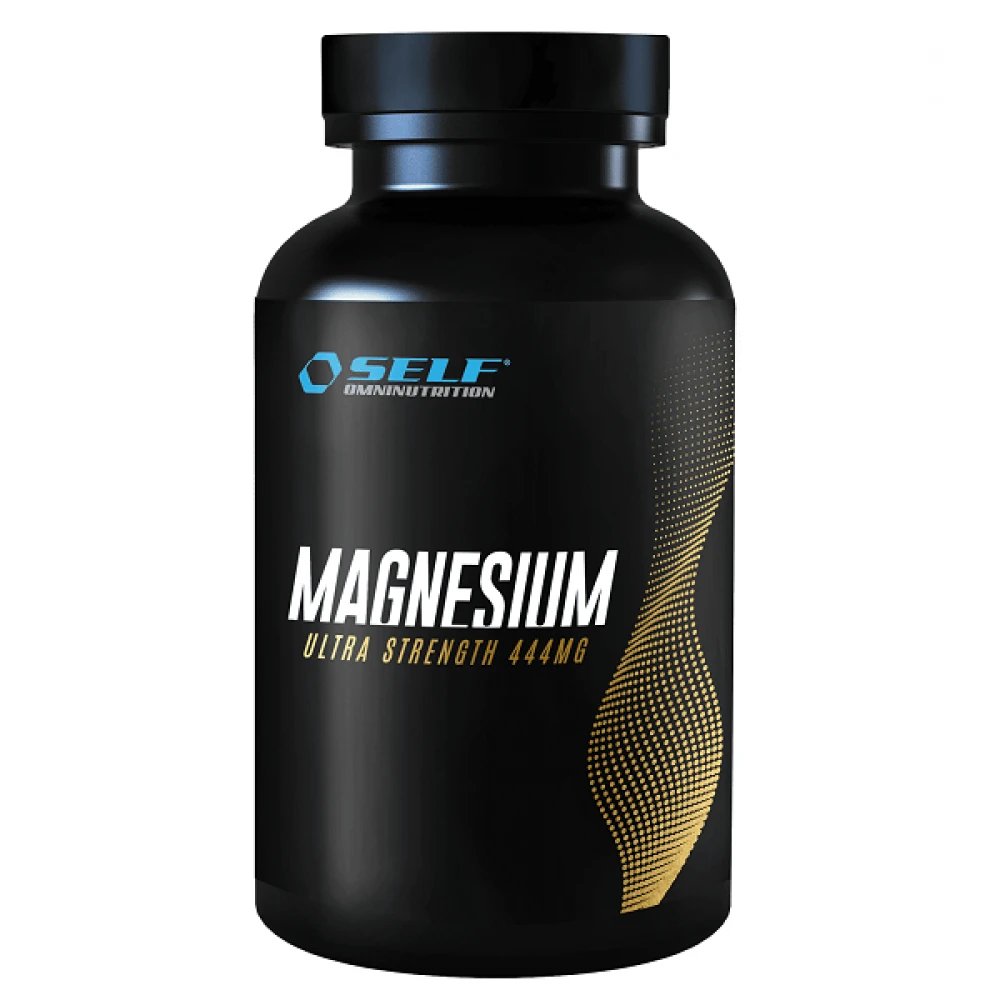
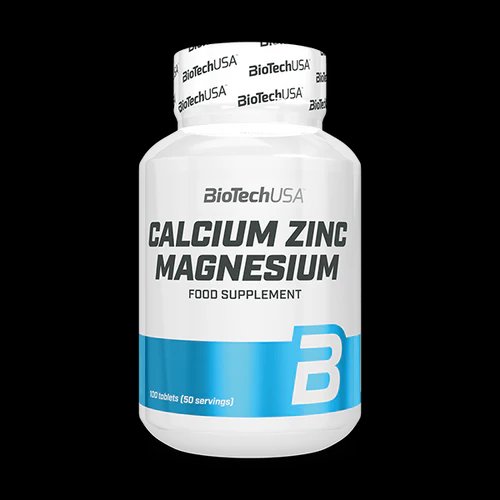
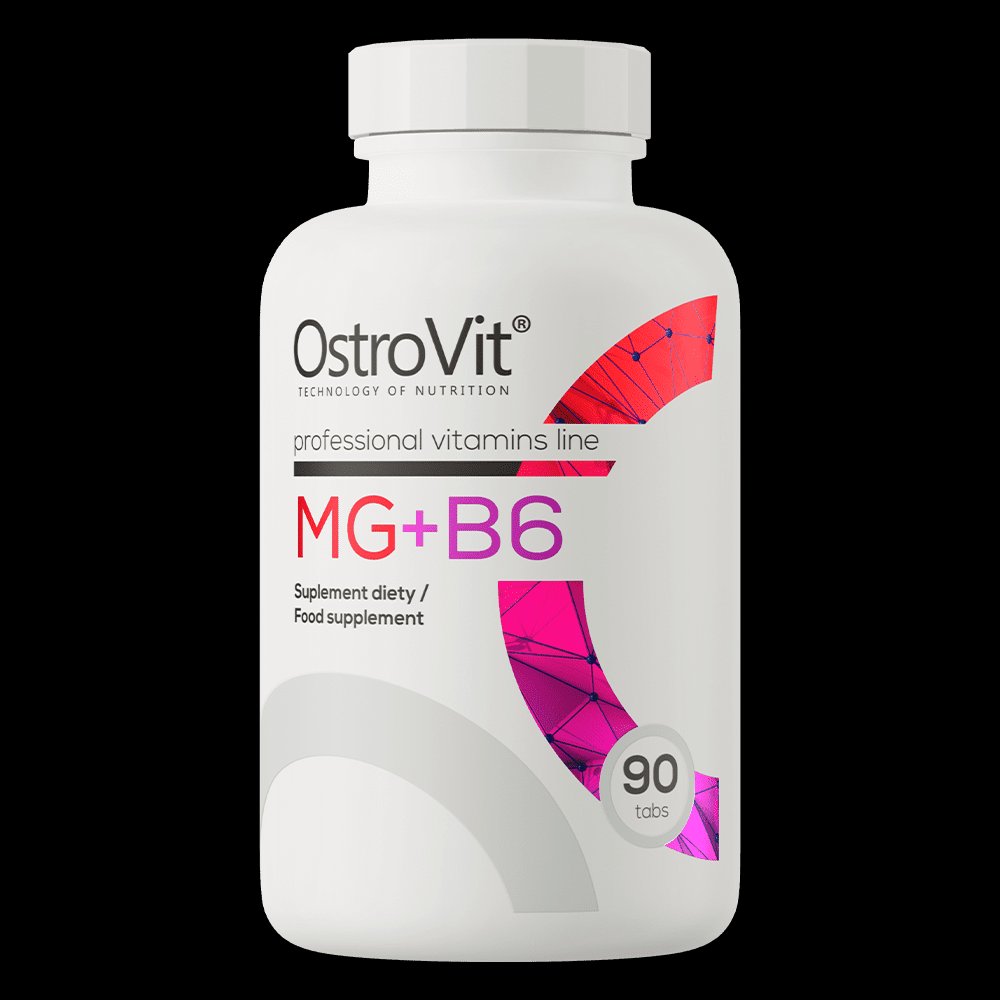
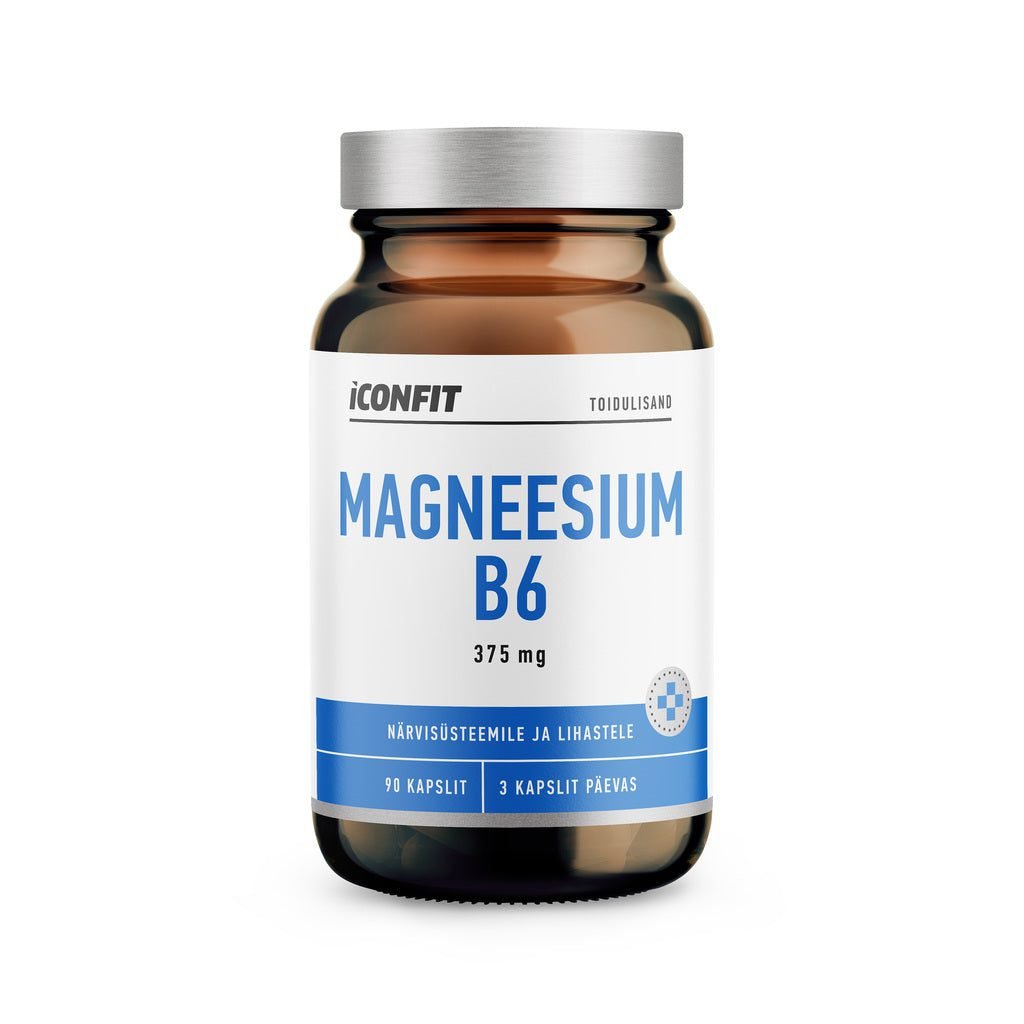
Bioavailability indicates how much of the active ingredient the body actually absorbs. For magnesium, this is critical because the differences between forms are enormous.
| Property | Citrate | Glycinate |
|---|---|---|
| Bioavailability | ~65% | ~80% |
| Elemental Mg content | ~16% | ~14% |
| GI tolerance | Moderate | Very good |
| Primary use | Digestion, general | Sleep, calming |
| Laxative effect | Moderate | Minimal |
| Price | Lower | Higher |
Walker et al. (2003) showed that organic magnesium forms like citrate are significantly better absorbed than inorganic forms. Lindberg et al. (1990) confirmed that magnesium citrate absorbs remarkably better than magnesium oxide.
Magnesium Citrate: Strengths and Uses
Magnesium citrate is a compound of magnesium and citric acid. It is one of the most studied magnesium forms.
Advantages:
- Good bioavailability (~65%), significantly better than oxide
- Citric acid itself supports digestion and mineral absorption
- Widely available and affordable
- Particularly well-suited for supporting digestive regularity
Best for:
- People looking for a solid general magnesium supplement
- Those who want to support digestive regularity
- Athletes who need a quickly absorbable magnesium form
EFSA-approved claim: "Magnesium contributes to normal electrolyte balance."
Magnesium Glycinate: Strengths and Uses
Magnesium glycinate is a compound of magnesium and the amino acid glycine. Glycine is an inhibitory neurotransmitter, giving this form unique properties.
Advantages:
- Highest bioavailability (~80%) among common forms
- Glycine supports a calming effect
- Minimal GI burden — ideal for sensitive stomachs
- Particularly suitable for evening use
Best for:
- People who want to support sleep and relaxation
- Those with a sensitive digestive system
- People experiencing stress and tension
What the Research Shows
Walker et al. (2003) confirmed that organic magnesium salts (citrate, glycinate, lactate) absorb significantly better than inorganic forms (oxide, sulfate). Key conclusions:
- Organic forms absorb 2–3 times better than oxide
- Citrate and glycinate both showed good absorption
- Glycinate caused the fewest GI side effects
- Citrate has a mild laxative effect, which suits some people but not others
Lindberg et al. (1990) found in their study that magnesium citrate absorbs 4.5 times better than magnesium oxide. This confirms that form selection significantly impacts how much magnesium the body actually receives.
Practical example: If you take 400 mg of magnesium oxide, your body absorbs only ~16 mg. From the same amount of citrate, you absorb ~260 mg, and from glycinate ~320 mg.
What This Means for You
The choice between citrate and glycinate depends on your primary goal:
Choose citrate if you:
- Are looking for a good general magnesium supplement
- Want to support digestive regularity
- Budget is an important factor
- Don't mind a mild laxative effect
Choose glycinate if you:
- Your main goal is supporting sleep and relaxation
- You have a sensitive digestive system
- You want maximum bioavailability
- You take magnesium in the evening
You can also combine both forms — for example, citrate in the morning and glycinate in the evening.
Estonian Context
Magnesium is one of the most popular supplements among Estonian consumers. In pharmacies and shops, magnesium oxide is the most common form — it's affordable but has low bioavailability. More and more people are seeking higher-quality forms like citrate and glycinate.
MaxFit.ee offers both forms from reputable brands, allowing you to choose the magnesium that matches your needs.
Key Takeaways
- Both forms are significantly better absorbed than magnesium oxide
- Glycinate has the highest bioavailability (~80% vs ~65% for citrate)
- Citrate is better for digestion and general magnesium intake
- Glycinate is better for sleep, relaxation, and sensitive stomachs
- Price: citrate is typically more affordable
- Both forms can be combined at different times of day
- Your choice should depend on your specific goals and needs
Dietary supplements are not a substitute for a varied, balanced diet and healthy lifestyle.
References
- Walker, A.F., Marakis, G., Christie, S. & Byng, M. (2003). Mg citrate found more bioavailable than other Mg preparations in a randomised, double-blind study. Magnesium Research, 16(3), 183-191.
- Lindberg, J.S., Zobitz, M.M., Poindexter, J.R. & Pak, C.Y. (1990). Magnesium bioavailability from magnesium citrate and magnesium oxide. Journal of the American College of Nutrition, 9(1), 48-55.
See also:
Browse our magnesium selection at MaxFit.ee →