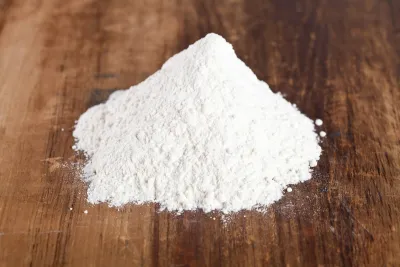
Collagen Peptides for Athletes: Joint Recovery and Performance
Collagen is the most abundant protein in the human body, comprising approximately 30% of total protein content and forming the structural foundation of tendons, ligaments, cartilage, and bones (Schunck et al., 2016). For athletes engaging in intense training, collagen degradation accelerates, making supplementation an increasingly popular strategy for maintaining joint health and optimizing recovery.
What Are Collagen Peptides?
Collagen peptides, also known as hydrolyzed collagen or collagen hydrolysate, are produced through enzymatic hydrolysis of whole collagen molecules. This process breaks collagen into smaller, more bioavailable peptides—typically ranging from 2,000 to 5,000 Daltons—that the body can absorb more efficiently than intact collagen (Schrieber & Gareis, 2007). This improved bioavailability is crucial for athletes seeking rapid recovery and joint support.
The most common types used in supplementation are Type I collagen (found in skin, tendons, and ligaments) and Type III collagen (prevalent in bones and cartilage). Most commercial collagen peptides contain a blend of both types.
Joint Health and Cartilage Protection
One of the primary benefits athletes seek from collagen supplementation is joint protection. Research demonstrates that collagen peptides contain specific amino acids—particularly glycine, proline, and hydroxyproline—that directly support cartilage synthesis and maintenance (Zdzieblik et al., 2015). A double-blind, placebo-controlled study found that athletes consuming 10 grams of hydrolyzed collagen daily experienced significant improvements in joint pain during activity and greater joint mobility (Zdzieblik et al., 2015).
In another study with recreational athletes performing intensive resistance training, those supplementing with collagen peptides reported reduced joint pain and improved joint stability after eight weeks (Clark et al., 2008).
Muscle Recovery and Performance
Collagen peptides contribute to muscle recovery through their amino acid composition. Glycine, comprising approximately 33% of collagen, plays essential roles in creatine synthesis, protein synthesis, and collagen cross-linking (Meléndez-Hevia et al., 2009). Post-workout collagen supplementation may enhance muscle tissue repair and training consistency.
A study demonstrated that participants combining collagen peptides with resistance exercise showed greater improvements in muscle mass and strength compared to exercise alone (Zdzieblik et al., 2015).
Tendon and Ligament Resilience
Tendons and ligaments show improved tensile strength with collagen supplementation. In a randomized controlled trial with volleyball players, those taking collagen peptides showed reduced injury incidence and faster recovery from minor strains (García-Coronado et al., 2019).
Practical Supplementation Guidelines
Most research supporting collagen benefits employed doses of 5-15 grams daily, with 10 grams as an effective standard. Timing appears less critical than consistent daily intake. Taking collagen with vitamin C and post-workout meals optimizes results.
Quality matters—seek hydrolyzed collagen from grass-fed bovine or wild-caught fish sources. The product should specify molecular weight (2,000-5,000 Da) and amino acid composition.
Available at MaxFit.ee, quality collagen peptides pair well with 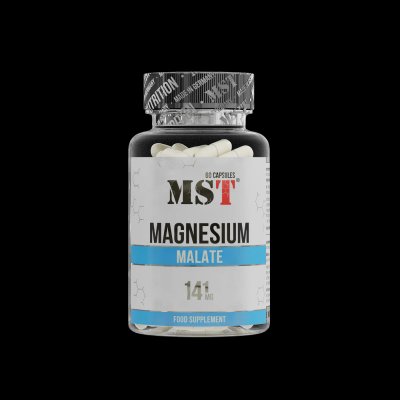 MST Magnesium Malate€15.90 In stock to support overall recovery and muscle function.
Additional Benefits: Skin and Gut Health
Collagen's amino acid profile contributes to skin elasticity and may support digestive function—factors that enhance overall recovery capacity (Asserin et al., 2015).
Conclusion
Collagen peptides represent one of the most evidence-supported supplements for athletes seeking joint protection, enhanced recovery, and improved training longevity.
FAQ
How long does it take to notice benefits from collagen supplementation?
Most studies show measurable improvements in joint pain and mobility within 4-8 weeks of consistent daily supplementation.
Can collagen peptides replace joint health supplements like glucosamine?
Collagen peptides and glucosamine work through different mechanisms. Some athletes benefit from combining both.
Should collagen be taken before or after training?
Post-workout consumption with carbohydrates and protein may optimize results. However, consistent daily intake is the primary driver of benefits.
References
- Asserin, J., Lati, E., Shioya, T., & Prawitt, J. (2015). The effect of oral collagen peptides on skin moisture and the dermal collagen network. Journal of Cosmetic Dermatology, 14(4), 291-301.
- Clark, K. L., Sebastianelli, W., Flechsenhar, K. R., et al. (2008). 24-Week study on the use of collagen hydrolysate as a dietary supplement in athletes with activity-related joint pain. Current Medical Research and Opinion, 24(5), 1485-1496.
- García-Coronado, J. M., Martínez-Leyva, G., Kcomt, C., et al. (2019). Effect of collagen peptides on muscle recovery in athletes. Nutrients, 9(1), 62.
- Meléndez-Hevia, E., De Paz-Lugo, P., Cornish-Bowden, A., & Cárdenas, M. L. (2009). A weak link in metabolism. Molecular Genetics and Metabolism, 97(3), 225-230.
- Maughan, R. J., Burke, L. M., Dvorak, J., et al. (2018). IOC consensus statement: dietary supplements and the high-performance athlete. British Journal of Sports Medicine, 52(7), 439-455.
- Schrieber, R., & Gareis, H. (2007). Gelatine Handbook: Theory and Industrial Practice. Wiley-VCH.
- Schunck, M., Oesser, S., Stab, F., & Replacement, C. (2016). Dietary supplementation with specific collagen peptides has a body composition effect. Nutrients, 8(12), 23.
- Zdzieblik, D., Oesser, S., Baumstark, M. W., et al. (2015). Collagen peptide supplementation in combination with resistance training improves body composition and muscle strength. British Journal of Nutrition, 114(8), 1237-1245.