Collagen Powder vs Capsules: Which Delivers Better Results?
One of the most common questions about collagen supplements: should you choose powder or capsules? Both forms have their advantages and drawbacks. Here's a practical, science-based comparison to help you decide.
Dosage: The Biggest Difference
This is the most important distinction and often the deciding factor.
Powder
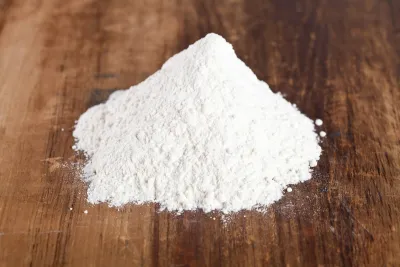
- Per serving: 10–15 g easily
- Flexibility: dosage can be precisely adjusted
- Research dose: most clinical studies use 2.5–10 g, easily achieved with powder
Capsules
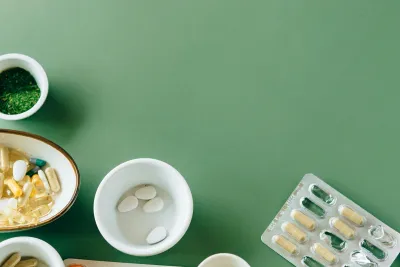
- Per capsule: typically 0.5–1.5 g
- To get 10 g: need to swallow 7–20 capsules
- Practical limit: most people take 2–4 capsules (1–6 g)
Important: When studies show results at 2.5–10 g doses (Asserin et al., 2015), achieving sufficient dosage with capsules requires many pills. Powder clearly wins in dosing convenience.
Absorption: Does It Differ?
Here's the good news: at equal doses, there's no significant difference in absorption. Both forms typically contain the same hydrolyzed collagen peptides.
The capsule shell (usually gelatin or cellulose) breaks down in the stomach within 10–20 minutes. After that, peptides are free and absorb the same way as peptides from powder.
The only minor difference: powder may reach the small intestine a few minutes earlier since capsule dissolution takes some time. In practice, this difference is insignificant.
Price: Powder Wins Clearly
Price per gram differs significantly:
| Factor | Powder | Capsules |
|---|---|---|
| Price per gram | Lower | 2–4x higher |
| Packaging costs | Lower | Capsule production adds cost |
| Daily cost (10g) | ~$0.30–0.60 | ~$0.80–2.00 |
| Package duration | Longer (larger packages) | Shorter |
The capsule manufacturing process — filling, quality control, packaging — adds significant cost that doesn't improve the product's effectiveness.
Convenience: To Each Their Own
When Powder Is Better
- At home: add to coffee, smoothies, soup, yogurt
- Higher doses: 10 g+ daily is simple
- Flavored varieties: many powders come with pleasant flavors
- Baking: add to dough, pancakes
- Savings: significantly more affordable
When Capsules Are Better
- Traveling: easy to carry, no mixing needed
- At the office: discreet, quick, clean
- Taste sensitivity: some people can't tolerate powder texture
- Precise dosing: each capsule is exactly dosed
- In a hurry: swallow and go
Practical Usage Guide
Using Powder
Best methods:
- Morning coffee: mix 10 g into coffee — dissolves well, taste unchanged
- Smoothie: add to banana-berry smoothie
- Water: mix with cold water (flavored powder)
- Soup: add to warm soup when serving
- Oatmeal: stir into morning porridge
Tips:
- Mix thoroughly to avoid clumps
- Unflavored powder suits almost anything
- Store in a cool, dry place
Using Capsules
Best practices:
- Swallow with a glass of water
- Take with a light meal
- Split dose: morning + evening
- Keep travel-size pack handy
Combined Approach
Many users find the best solution is a combination:
- At home: powder in coffee or smoothie (10 g)
- At work/traveling: capsules on hand (2–4 extra capsules)
This ensures adequate dosing in all situations without sacrificing convenience.
What to Look for on the Label
Regardless of form, check the following:
- "Hydrolyzed collagen peptides" — best bioavailability
- Collagen amount per serving — in grams, not just capsule count
- Source: fish (Type I) or bovine (Type I and III)
- Additives: vitamin C is a valuable addition (supports collagen synthesis)
- Fillers: capsules often contain fillers that add no value
Estonian Context
In the Estonian market, powder format is gaining increasing popularity, following European trends. Estonian consumers are generally price-conscious and prefer good quality-to-price ratio, giving powder a clear advantage.
At MaxFit.ee, you'll find both options — collagen powders and capsules, so everyone can choose what suits them best.
Key Takeaways
- Powder easily allows 10–15 g doses; capsules practically limit you to ~2–6 g
- At equal doses, absorption doesn't significantly differ
- Powder is 2–4 times more affordable per gram
- Capsules are more convenient for travel and work
- Best solution for many: combination — powder at home, capsules on the go
- Always check the label: "hydrolyzed collagen peptides" and grams of collagen per serving
- In Europe, including Estonia, powder format is most popular and continues growing
Dietary supplements are not a substitute for a varied, balanced diet and healthy lifestyle.
References
- Asserin, J., Lati, E., Shioya, T. & Prawitt, J. (2015). The effect of oral collagen peptide supplementation on skin moisture and the dermal collagen network: evidence from an ex vivo model and randomized, placebo-controlled clinical trials. Journal of Cosmetic Dermatology, 14(4), 291–301.
- Zague, V., de Freitas, V., da Costa Rosa, M. et al. (2011). Collagen hydrolysate intake increases skin collagen expression and suppresses matrix metalloproteinase 2 activity. Journal of Medicinal Food, 14(6), 618–624.
- Clark, K.L., Sebastianelli, W., Flechsenhar, K.R. et al. (2008). 24-Week study on the use of collagen hydrolysate as a dietary supplement in athletes with activity-related joint pain. Current Medical Research and Opinion, 24(5), 1485–1496. See also: Hydrolyzed Collagen Bioavailability | Collagen Market Growth in Europe
Browse our collagen selection at MaxFit.ee →