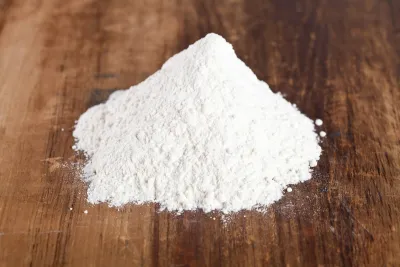
Collagen Peptides and Skin Aging: Breakthrough Research
Collagen makes up roughly 75–80% of the skin's dry weight. Starting from age 25, the body's collagen production declines by about 1% per year — one of the main reasons skin gradually loses elasticity and moisture. Recent scientific studies, however, have brought exciting results: oral collagen peptides may noticeably slow this process.
What Are Collagen Peptides?
Collagen peptides are short amino acid chains derived from the hydrolysis of collagen. Unlike whole collagen molecules, peptides are small enough to be absorbed from the digestive tract into the bloodstream. Their molecular weight typically ranges from 2,000 to 5,000 daltons, ensuring good bioavailability.
The primary amino acids in collagen peptides are glycine, proline, and hydroxyproline — directly needed for the synthesis of the skin's structural protein.
What Does the Research Show?
Proksch et al., 2014: Elasticity Improvement in 4 Weeks
One of the most cited studies in this field is the double-blind, placebo-controlled trial by Proksch et al. (2014). Sixty-nine women aged 35–55 received either 2.5 g or 5 g of collagen peptides daily for 8 weeks.
Results:
- Skin elasticity improved significantly as early as 4 weeks
- At 8 weeks, the elasticity improvement was statistically significant in both dosage groups
- Older participants (50+) experienced an even greater effect
Borumand & Sibilla, 2014: Facial Skin and Wrinkles
Borumand and Sibilla (2014) studied the effects of 2.5 g collagen peptides on facial skin condition over an 8-week period:
- Skin elasticity improved by 15%
- Skin hydration levels increased noticeably
- Depth of skin lines decreased
Importantly, positive changes were measurable through both instrumental assessments and subjective evaluations.
De Miranda et al., 2021: Systematic Review
De Miranda et al. (2021) published a systematic review analyzing multiple randomized controlled trials. Their conclusion: oral collagen supplements support skin hydration and elasticity. The review covered studies across various age groups and dosages, lending the results broader validity.
How Do Collagen Peptides Work in the Skin?
Scientists have proposed several mechanisms:
- Direct building material — peptides travel through the bloodstream to the dermis, where fibroblasts use them to synthesize new collagen
- Signaling molecules — peptides stimulate fibroblasts to produce more collagen, elastin, and hyaluronic acid
- Antioxidant activity — some collagen peptides help reduce oxidative stress in the skin
In the Proksch et al. study, procollagen I levels were also measured, showing an increase — suggesting that peptides don't simply replace existing collagen but actually trigger new production.
What This Means for You
If you want to support your skin health, the science points to the following:
- Dose: 2.5–5 g of collagen peptides daily is the optimal range. A higher dose may not yield proportionally better results.
- Consistency matters: Most studies showed results starting from week 4, with clearer changes at 8–12 weeks.
- Hydrolyzed form is best: Look for products containing hydrolyzed collagen peptides — their absorption is superior.
- Vitamin C supports collagen synthesis: Vitamin C is a required cofactor for collagen synthesis. EFSA has confirmed that vitamin C contributes to normal collagen formation for the normal function of skin.
Estonian Context
In Estonia, the popularity of collagen supplements has surged in recent years. The Nordic climate — cold winters and dry indoor air — places extra stress on the skin. Many Estonians have discovered that regular collagen supplementation helps maintain skin moisture and elasticity, especially during winter months.
MaxFit.ee offers a wide range of collagen products that meet European Union food supplement quality standards.
Key Takeaways
- Proksch et al. (2014): skin elasticity improved significantly within 4 weeks
- Borumand & Sibilla (2014): 2.5 g daily improved elasticity by 15% and hydration over 8 weeks
- De Miranda et al. (2021): systematic review confirmed positive effects on skin moisture and elasticity
- Optimal dose: 2.5–5 g hydrolyzed collagen peptides daily
- Vitamin C supports collagen synthesis — EFSA-approved claim
- Results appear with consistency: 4–12 weeks of regular use
- Effects are greater in older individuals whose own collagen production has declined more
References
- Proksch, E., Segger, D., Degwert, J., Hartmann, M., Lambers, H., & Stab, F. (2014). Oral supplementation of specific collagen peptides has beneficial effects on human skin physiology: a double-blind, placebo-controlled study. Skin Pharmacology and Physiology, 27(1), 47–55.
- Borumand, M., & Sibilla, S. (2014). Daily consumption of the collagen supplement Pure Gold Collagen reduces visible signs of aging. Clinical Interventions in Aging, 9, 1747–1758.
- de Miranda, R. B., Weimer, P., & Rossi, R. C. (2021). Effects of hydrolyzed collagen supplementation on skin aging: a systematic review and meta-analysis. International Journal of Dermatology, 60(12), 1449–1461.
- Asserin, J., Lati, E., Shioya, T., & Prawitt, J. (2015). The effect of oral collagen peptide supplementation on skin moisture and the dermal collagen network: evidence from an ex vivo model and randomized, placebo-controlled clinical trials. Journal of Cosmetic Dermatology, 14(4), 291–301.
Dietary supplements are not a substitute for a varied, balanced diet and healthy lifestyle.
See also: Marine vs Bovine Collagen | Collagen for Joint Health
Browse our collagen selection at MaxFit.ee →