What Is Garcinia Cambogia and How Did It Become So Popular?
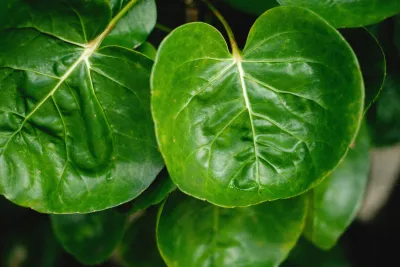
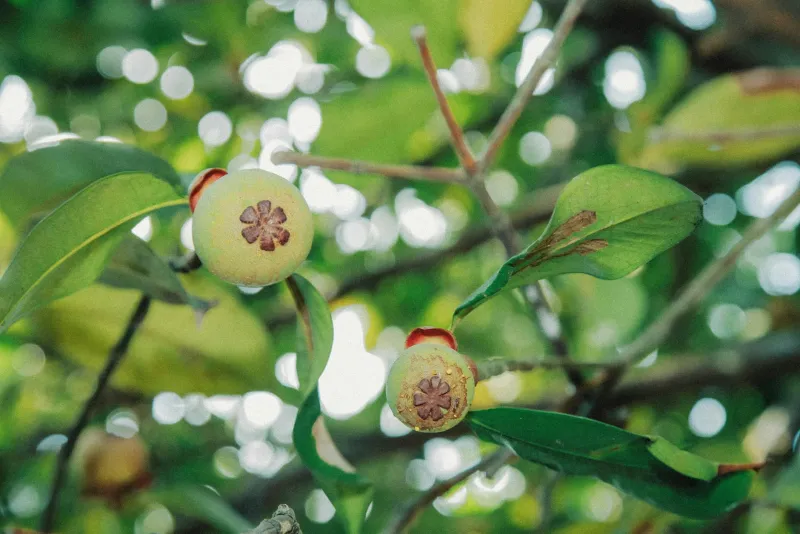
Garcinia Cambogia (Garcinia gummi-gutta) is a tropical fruit-bearing tree native to Southeast Asia, India, and West Africa. The fruits have been used for centuries in traditional Asian cuisine for flavoring and in folk medicine for improving digestion.
Garcinia Cambogia became a global weight loss phenomenon in 2012 when a well-known American TV doctor featured it on his show as a "revolutionary fat burner." As a result of this marketing push, sales exploded, and Garcinia Cambogia became one of the best-selling dietary supplements worldwide.
But what's behind the hype? The fruit rind of Garcinia Cambogia contains a bioactive compound called hydroxycitric acid, or HCA, which typically makes up 20-60% of the rind's dry weight. HCA is the active ingredient to which all weight loss properties are attributed.
The question isn't whether HCA is a biologically active compound — it certainly is. The question is whether that activity translates into clinically meaningful results in real-life human settings.
How Is HCA Supposed to Work in the Body and What Does Science Say?
Three primary mechanisms of action are attributed to HCA:
1. Inhibition of fat synthesis HCA inhibits an enzyme called ATP-citrate lyase, which is required for synthesizing fats from carbohydrates (de novo lipogenesis) (Chuah et al., 2013). In theory, this means fewer carbohydrates are converted to fat. However, there's an important nuance: de novo lipogenesis is a relatively minor process in humans. Most body fat comes directly from dietary fat storage, not from carbohydrate conversion. This means that even if HCA completely blocked this pathway, the impact on body fat would be minimal.
2. Appetite reduction HCA may theoretically raise serotonin levels in the brain, which in turn reduces appetite and emotional overeating. This is perhaps the most promising mechanism, as serotonin indeed plays an important role in appetite regulation. Some small studies have shown modest appetite reduction in HCA users.
3. Increased energy levels Some manufacturers claim that HCA increases energy levels and endurance, but there is limited research supporting this claim.
What do clinical trials show?
The scientific picture is mixed. A 2011 systematic review in the Journal of Obesity analyzed 12 randomized controlled trials and found that Garcinia Cambogia extract reduced body weight by an average of 0.88 kg more than placebo in the short term (Onakpoya et al., 2011). The authors noted, however, that study quality was low and results were inconsistent.
A more recent 2020 meta-analysis reached a similar conclusion — the effect on body weight was statistically significant but clinically trivial. In practical terms, this means the average person consuming Garcinia Cambogia for 8-12 weeks loses about 1 kg more weight than someone in the placebo group.
Importantly, some high-quality studies found no significant difference between Garcinia Cambogia and placebo at all.
What Is a Safe Dose and Are There Serious Side Effects?
If you decide to try Garcinia Cambogia anyway, it's important to know the proper dosing and potential risks.
Dosing:
- Typical dose: 500-1500 mg HCA per day (not Garcinia Cambogia extract, but specifically HCA content)
- Split into 2-3 doses, taken 30-60 minutes before meals
- Use products standardized to at least 50% HCA content
- Do not exceed 2800 mg HCA per day
Common side effects:
- Headache
- Gastrointestinal disturbances (nausea, diarrhea, stomach pain)
- Dry mouth
- Dizziness
Serious risks: Since 2009, several cases have been reported where Garcinia Cambogia supplement use has been associated with liver damage. The U.S. Food and Drug Administration (FDA) issued a warning in 2009 about a Garcinia Cambogia-containing product after several users required hospitalization for liver injury (Fong et al., 2010).
Although the connection isn't always definitively proven (some products contained other ingredients as well), caution is warranted. Do not use Garcinia Cambogia for longer than 12 weeks consecutively.
Who should not use it:
- Pregnant and breastfeeding women
- People with diabetes (HCA may affect blood sugar levels)
- People taking statins (interactions possible)
- Patients with dementia or Alzheimer's disease
- People with liver or kidney conditions
What Alternatives Are Better Supported by Science?
If your goal is to support weight loss with supplements, there are better-researched and more effective options available.
More effective alternatives:
-
L-Carnitine: Transports fatty acids into mitochondria for burning as energy. Strong scientific evidence base, especially in the context of exercise. L-Carnitine is particularly effective combined with aerobic training. Browse our L-Carnitine selection.
-
CLA (Conjugated Linoleic Acid): Multiple studies have shown that CLA reduces body fat and improves body composition. The effect is moderate but consistent. See our CLA products.
-
Combination fat burners: Quality fat burners contain multiple science-backed ingredients (caffeine, green tea extract, L-carnitine, capsaicin) that work synergistically.
-
Creatine for body composition: While creatine is not a direct fat burner, it helps increase muscle mass and training volume, which in turn accelerates metabolism and fat burning in the long run.
-
Protein for satiety: A high-protein diet is one of the most effective ways to control appetite. Adequate protein intake keeps you feeling full longer and preserves muscle mass during dieting.
Is Garcinia Cambogia Worth Buying — An Honest Summary?
Let's be straightforward: the scientific evidence does not support Garcinia Cambogia's marketing claims. While HCA is a biologically active compound whose mechanisms of action have been proven in the laboratory, these mechanisms don't work powerfully enough in the human body to produce notable results.
An average of 1 kg additional weight loss over 12 weeks is the reality, which falls far short of the promise to "lose 10 kg per month without diet or exercise." Additionally, there is a risk of liver damage, though it is rare.
My recommendation:
Instead of spending money on Garcinia Cambogia, invest your time and resources in:
- A meal plan: A moderate caloric deficit (300-500 kcal per day) is the foundation of any weight loss
- Training: Combine strength and endurance training at least 3-4 times per week
- Proven supplements: If you want supplement support, choose green tea extract, L-carnitine, CLA, or a quality fat burner
- Sleep and stress management: These are underrated but extremely important weight loss factors
No supplement — whether Garcinia Cambogia or anything else — can replace healthy lifestyle habits. But by making the right choices, you can make those habits even more effective. Focus on proven methods and don't let marketing hype lead you astray.
See also:
- Weight Loss Supplements: What Actually Works?
- Appetite Control Supplements: A Science-Based Guide to Taming Hunger
- 10 Common Supplement Myths Debunked
References
- Onakpoya, I., Hung, S. K., Perry, R., Wider, B., & Ernst, E. (2011). The use of Garcinia extract (hydroxycitric acid) as a weight loss supplement: a systematic review and meta-analysis of randomised clinical trials. Journal of Obesity, 2011, 509038.
- Fong, T. L., Klontz, K. C., Canas-Coto, A., Casper, S. J., Durazo, F. A., Davern, T. J., ... & Bonacini, M. (2010). Hepatotoxicity due to hydroxycut: a case series. The American Journal of Gastroenterology, 105(7), 1561–1566.
- Chuah, L. O., Ho, W. Y., Beh, B. K., & Yeap, S. K. (2013). Updates on antiobesity effect of Garcinia origin (-)-HCA. Evidence-Based Complementary and Alternative Medicine, 2013, 751658.
- Semwal, R. B., Semwal, D. K., Vermaak, I., & Viljoen, A. (2015). A comprehensive scientific overview of Garcinia cambogia. Fitoterapia, 102, 134–148.
Read more: Fat Burners: A Science-Based Guide