


L-Carnitine — Fat Metabolism & Energy
13 products · 9 in stock · €2.09–€31.40 · from €0.16/serving · Estonia 1–3 business days, free from €50.00
1–3 day delivery
Free shipping in Estonia from €50
Secure payment


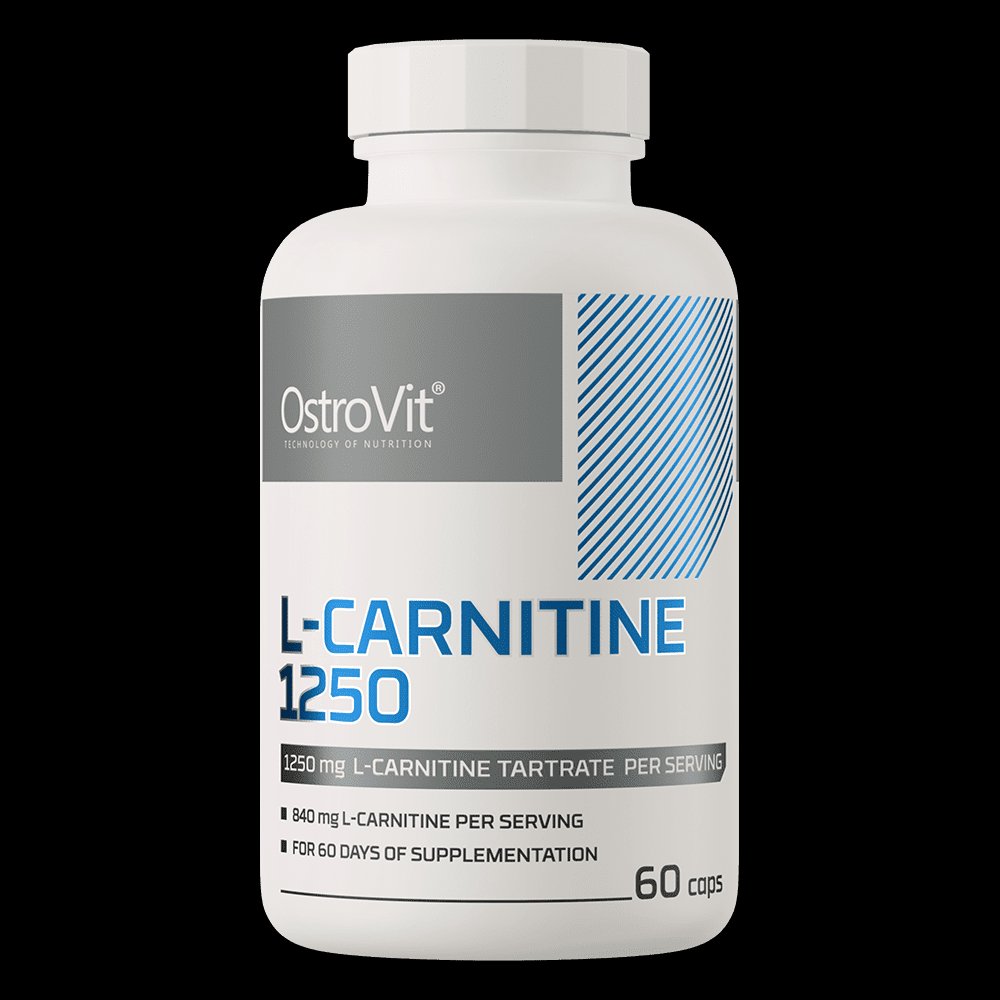
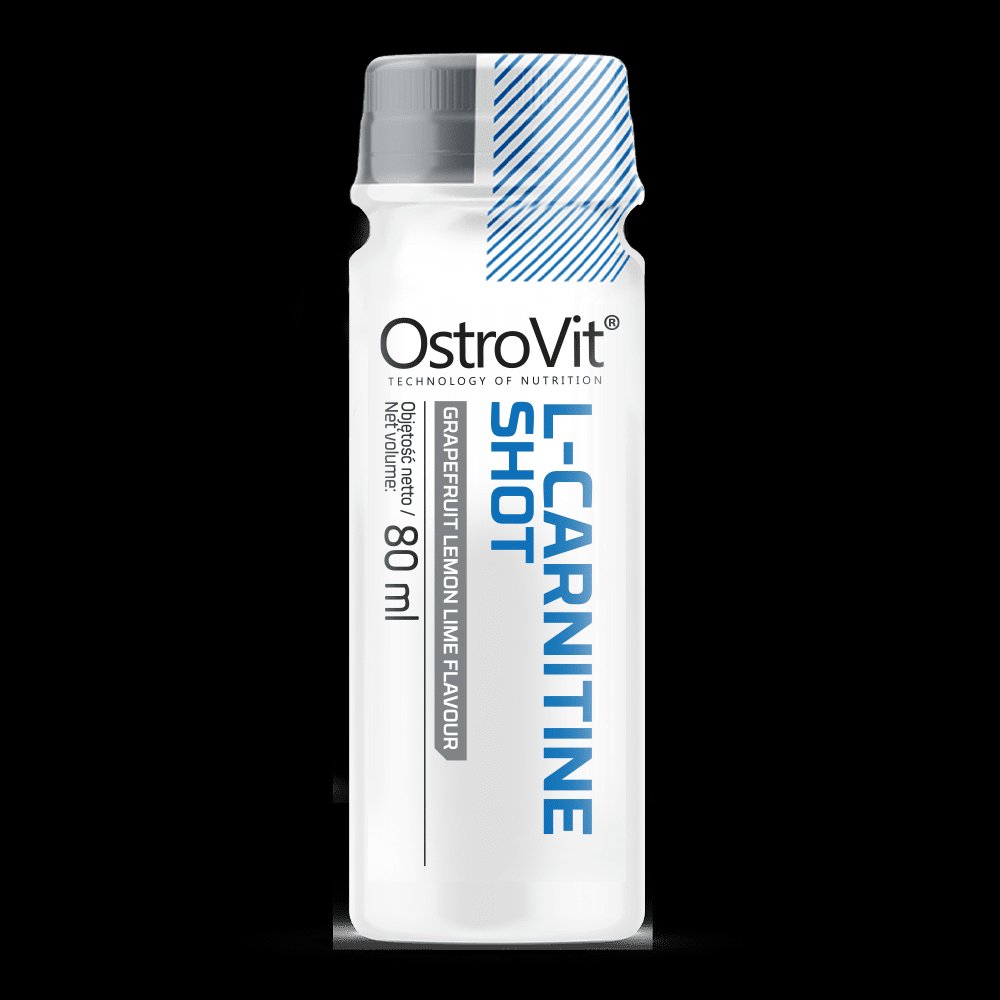
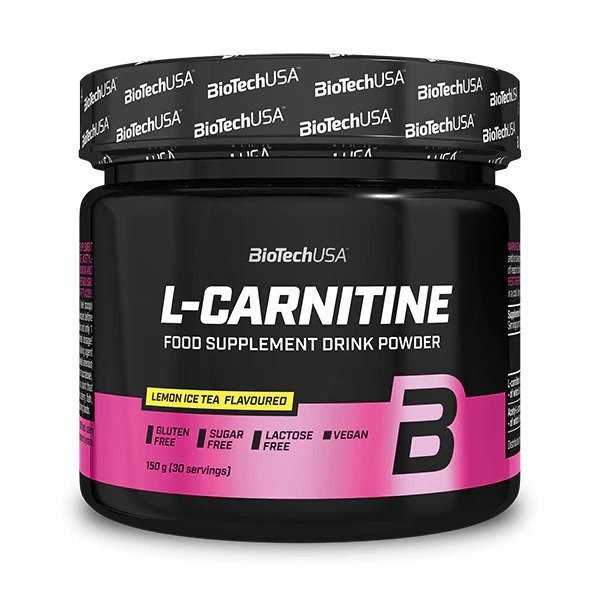

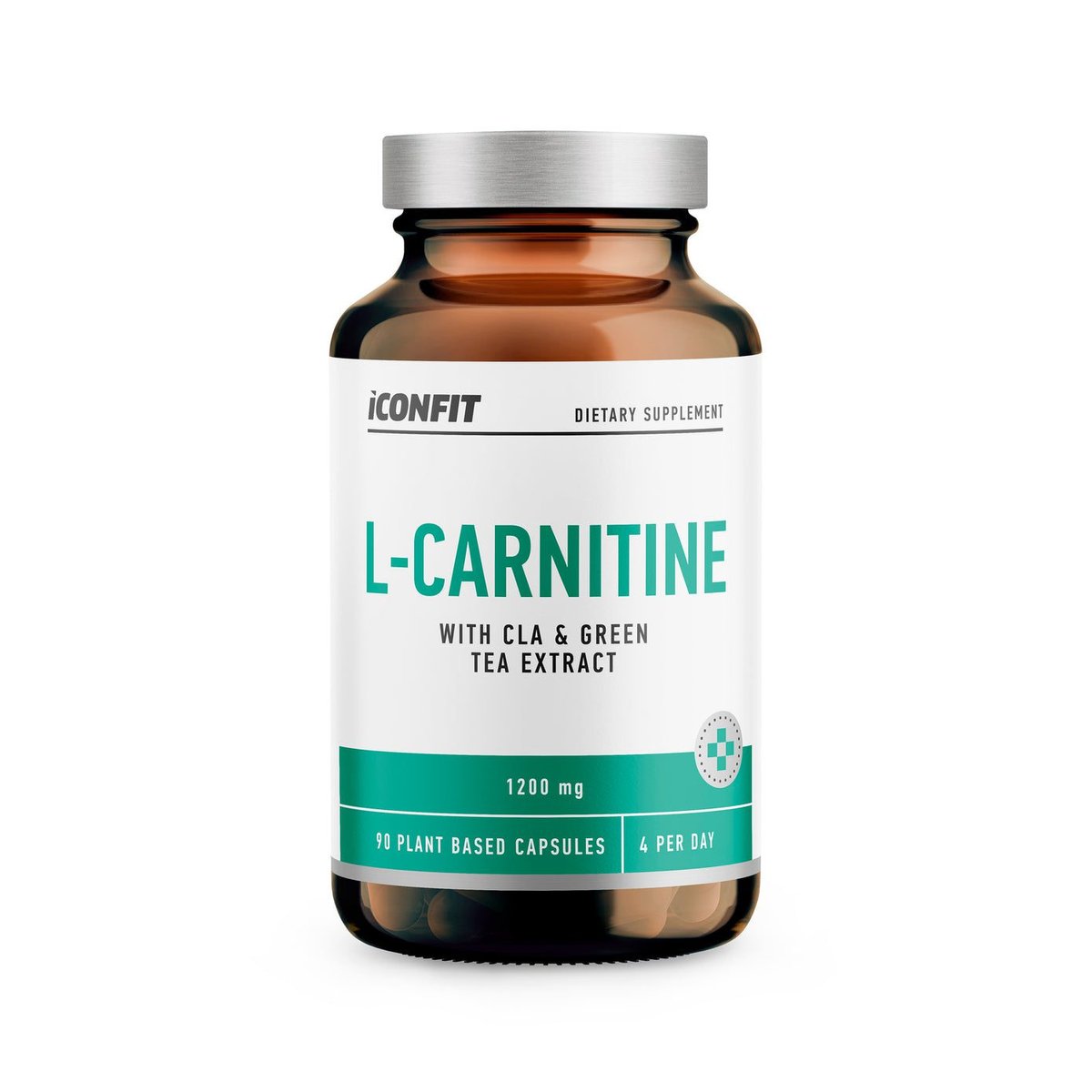
Useful Articles


What is L-carnitine and how does it support fat burning?
L-carnitine is a compound synthesized from the amino acids lysine and methionine that transports long-chain fatty acids into mitochondria, where they are converted into energy. This makes carnitine a vital regulator of fat metabolism and energy production. Athletes use L-carnitine for weight management, improved endurance, and faster post-workout recovery — it is especially effective when combined with aerobic exercise.
Frequently asked questions about L-carnitine
L-carnitine alone does not burn fat — it helps transport fatty acids for energy conversion, but energy expenditure is required. For best results, combine carnitine with regular exercise, especially aerobic training. Without exercise, the effect of carnitine on weight loss is minimal.
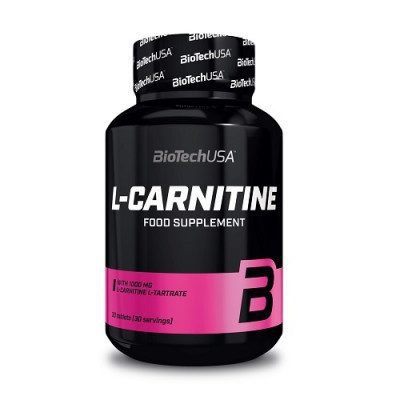
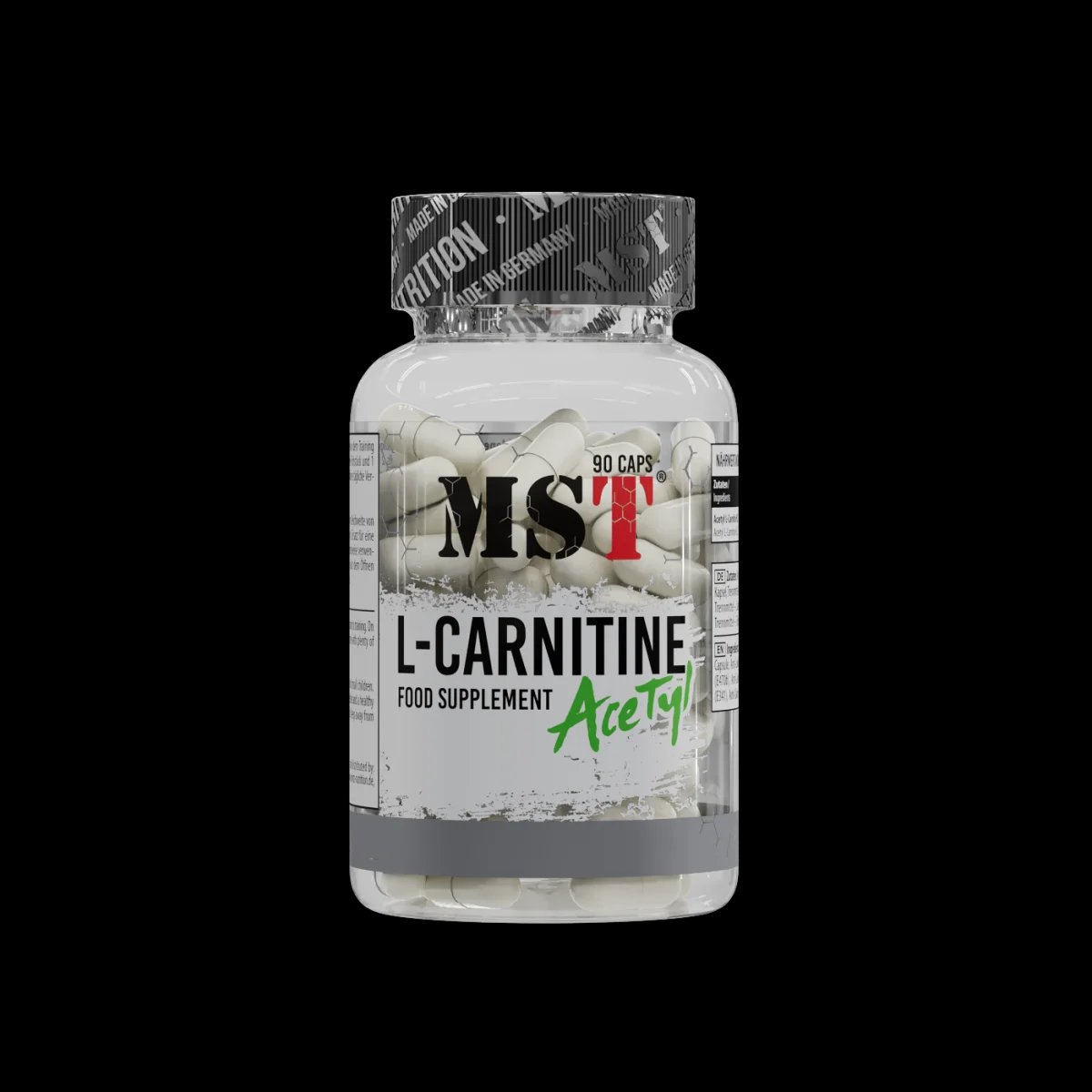
The most common forms are L-carnitine tartrate, acetyl-L-carnitine (ALCAR), and L-carnitine fumarate. Tartrate is the most researched in sports contexts and suits fat burning. ALCAR crosses the blood-brain barrier and supports cognitive function. Choose the form based on your specific goal.
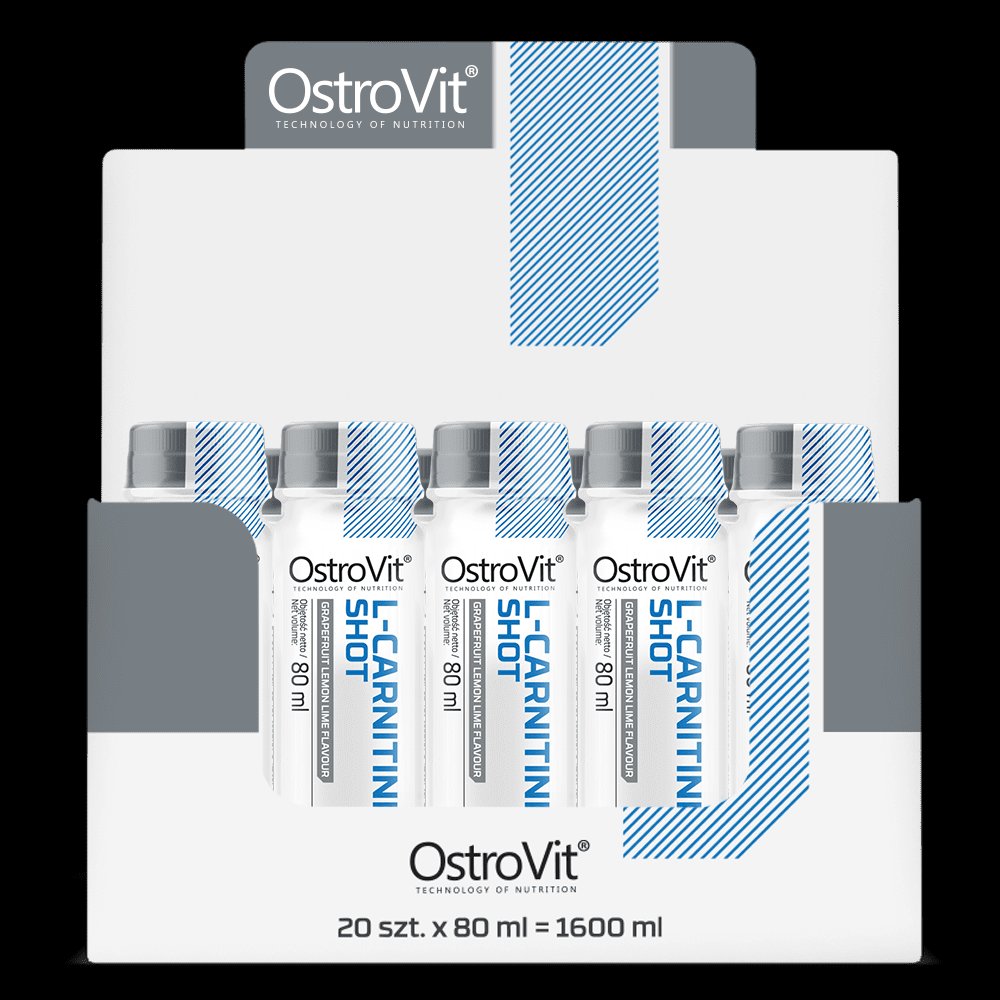
The optimal time is 30-60 minutes before training, with a carbohydrate-containing meal. Carbohydrates raise insulin levels, which helps carnitine enter muscle cells more effectively. Liquid L-carnitine can be taken right before training for faster absorption.
The standard dose is 1,000-2,000 mg per day. Studies show that 2,000 mg is the optimal dose for supporting fat metabolism. Doses above 3,000 mg per day are unnecessary, as the body cannot efficiently absorb larger amounts. Split the dose into two — morning and pre-workout.