What Is D-Aspartic Acid and How Is It Connected to Testosterone?
Shop this category — in stock now
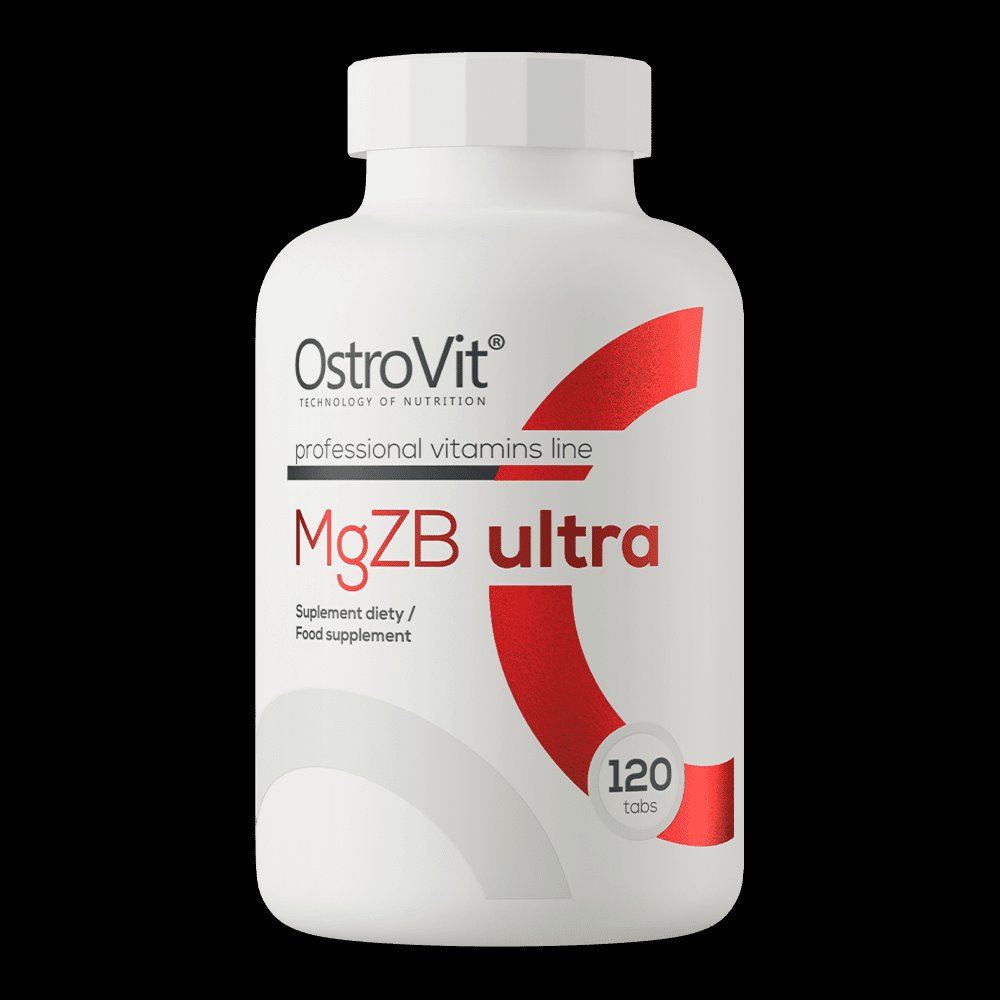
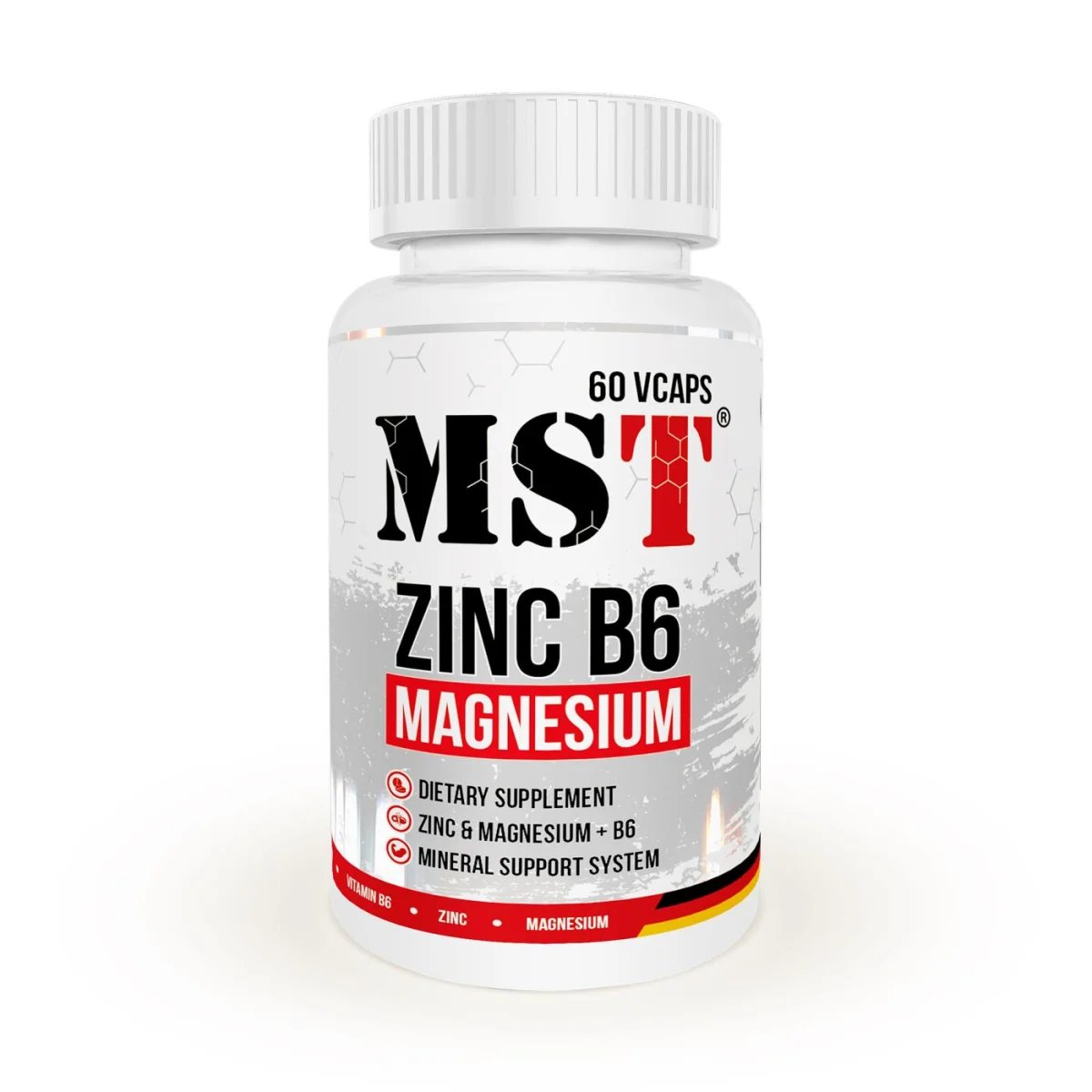
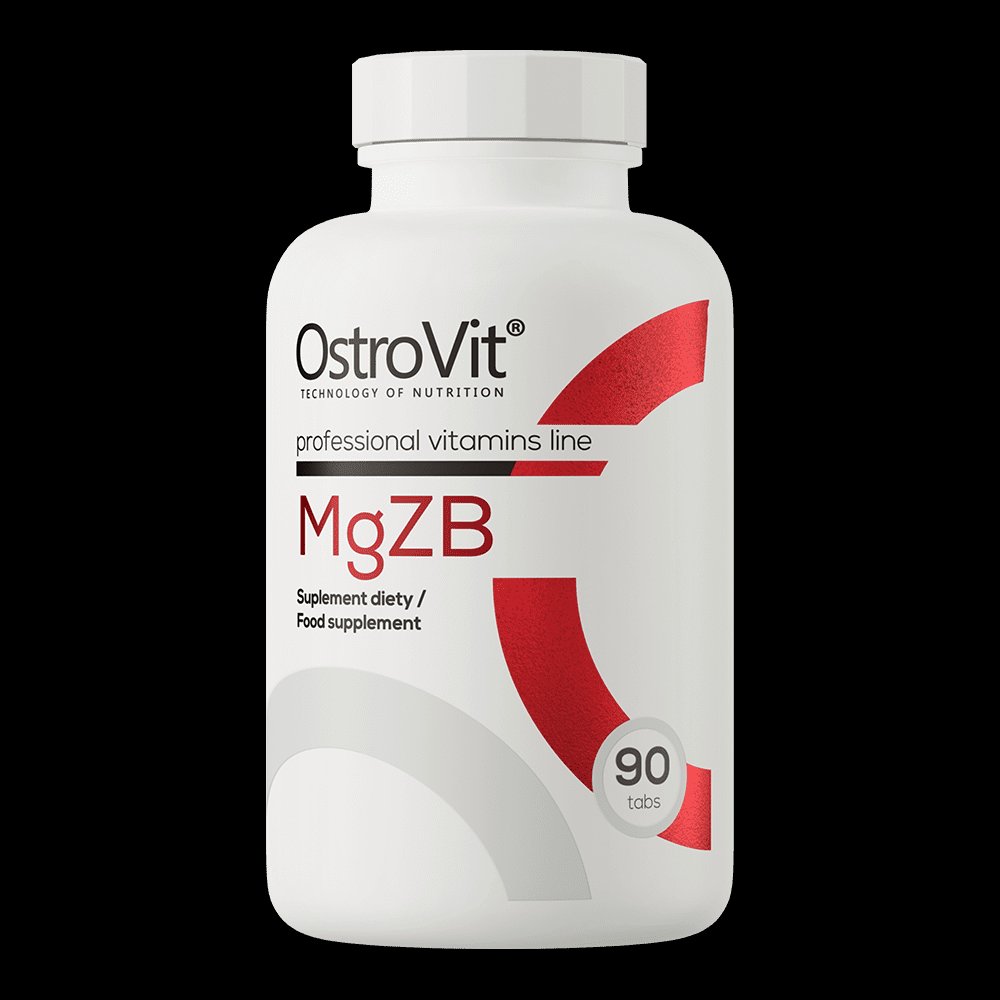
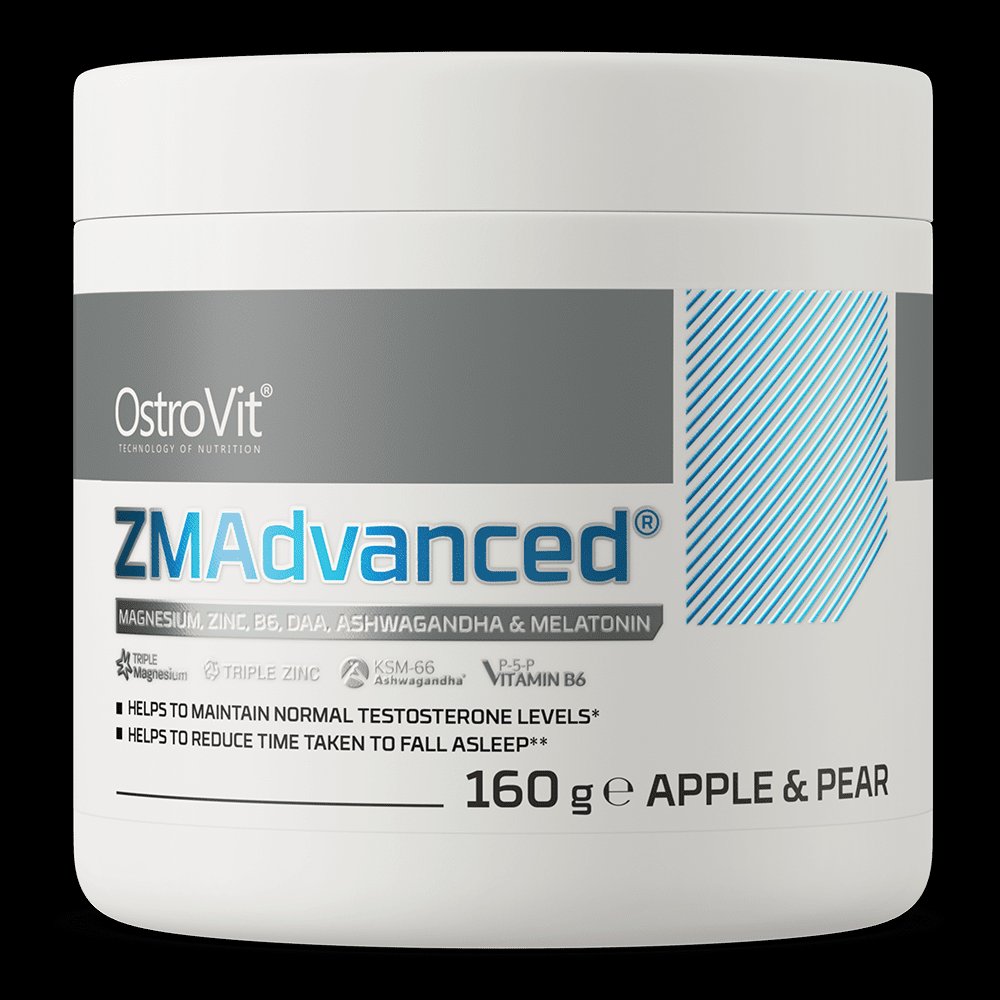
D-aspartic acid (DAA) is the D-isomer of aspartic acid — the mirror-image version of a non-essential amino acid. Unlike regular L-aspartic acid, which participates in protein synthesis, DAA plays a role in the endocrine (hormonal) system.
DAA is found naturally in the body, especially in:
- The hypothalamus and pituitary gland (hormone regulation center)
- The testes (testosterone production)
- The adrenal glands (stress hormones)
DAA's mechanism for raising testosterone:
- DAA stimulates the hypothalamus to produce GnRH (gonadotropin-releasing hormone)
- GnRH stimulates the pituitary to produce LH (luteinizing hormone) and FSH (follicle-stimulating hormone)
- LH stimulates Leydig cells in the testes to produce testosterone
- Simultaneously, DAA also directly stimulates Leydig cell testosterone synthesis
DAA's role in other hormones:
- Growth hormone (GH) — DAA also stimulates GH release
- Thyroid hormones — some effect on thyroid function
- Prolactin — moderate stimulation (this can be both positive and negative)
Does DAA Really Raise Testosterone Levels?
This is the most important question, and the answer is nuanced.
Positive studies:
- Topo et al. (2009) found that 3.12 g of sodium DAA over 12 days raised testosterone by 42% and LH by 33% in healthy men
- The same study showed sperm count increases of 60-100%
- A 2012 study: DAA raised testosterone in men with low testosterone over 30-60 days
Neutral/negative studies:
- Willoughby & Leutholtz (2013) found that 3 g of DAA for 28 days did not raise testosterone in resistance-trained men with normal testosterone levels
- Melville et al. (2015) reported that 6 g of DAA for 14 days actually reduced testosterone in resistance-trained men
- A 2017 study: 6g of DAA did not improve body composition or strength in trained men
Practical conclusion — who does DAA work for?
| Group | Effect | Explanation |
|---|---|---|
| Men with low T | Strong | Normalizes hormone levels |
| Men seeking fertility support | Strong | Supports sperm quality |
| Older men (40+) | Moderate | Compensates age-related decline |
| Trained athletes (normal T) | Weak/none | Already optimized hormone levels |
| Young healthy men | Weak/none | Normal T levels don't rise significantly |
How Does DAA Affect Fertility and Sperm Quality?
DAA's effect on fertility is one of the best-documented applications.
Scientific evidence:
- D'Aniello et al. (2012) showed that DAA improved sperm motility, concentration, and morphology in men with below-normal fertility markers
- Sperm count increased 60-100% over 90 days
- Sperm motility improved significantly
- Testosterone and LH levels rose in parallel
Fertility protocol:
- 2.6-3g of sodium DAA daily
- Minimum 90 days (spermatogenesis takes approximately 74 days)
- Combined with zinc (30mg/day), folate, and selenium
- Vitamin D (2000-4000 IU) also supports testosterone levels
- Reduce alcohol and stress — both lower testosterone
Important note:
- DAA is not a miracle solution for fertility support — it is one component of a broader strategy
- Always consult a doctor when fertility is a concern
- DAA works better in men whose low fertility is related to hormonal factors
Does DAA Improve Athletic Performance?
This is where the science is most contradictory.
Theoretical basis:
- Higher testosterone levels should promote muscle growth and strength
- Higher GH levels should improve recovery and fat burning
- Better hormonal balance should support overall performance
In practice:
- Most studies in trained athletes show no significant performance improvement
- Reason: their testosterone is already normal/high — DAA cannot significantly raise it further
- Benefits are mainly for those whose hormone levels are low due to stress, poor sleep, or overtraining
When DAA may benefit athletes:
- During overtraining periods (overtraining reduces testosterone)
- On low-calorie diets (deficit lowers testosterone)
- During periods of poor sleep quality
- During periods of high stress
- Combined with ashwagandha for stress reduction and testosterone support
Strength athlete's stack for hormone optimization:
- DAA 3g/day
- Ashwagandha (600mg KSM-66)
- Zinc (30mg)
- Magnesium (400mg)
- Vitamin D (4000 IU)
- B vitamins (B-complex)
How to Dose and Use DAA?
Dosing is critically important — too high a dose may actually reverse the effect.
Dosing:
- Effective dose: 2.6-3.12g/day (as sodium DAA)
- Maximum recommended dose: 3g/day
- Doses above 3g have not shown greater benefit and may even reduce testosterone
- 6g/day reduced testosterone in some studies — more is not better!
Timing:
- Morning on an empty stomach — best absorption
- Alternative: split into 2 doses — morning and evening
- Not crucial whether taken with training or not
Cycling:
- Common protocol: 2-3 weeks on + 1-2 weeks off
- Some use 12 weeks continuously, then 4 weeks off
- Cycling prevents body adaptation (habituation effect)
- Long-term safety has not been sufficiently studied
Available forms:
- Sodium DAA salt — most common, good solubility
- Calcium DAA salt — better bioavailability according to some data
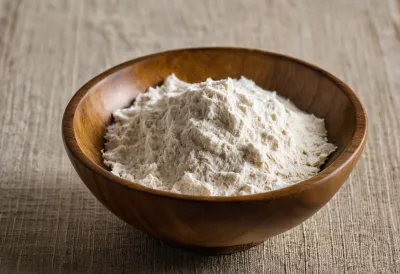
- Pure DAA powder — cheapest but sour taste
- Capsules — convenient but more expensive
Are There Side Effects of DAA?
DAA is generally well tolerated, but a few things deserve attention.
Possible side effects:
- Headache — the most common side effect, especially initially
- Irritability and mood changes — related to testosterone fluctuations
- Acne — higher testosterone may increase sebaceous gland activity
- Digestive issues — mild nausea, stomach pain
- Hair loss — theoretical risk from higher DHT conversion (rare)
Who should avoid it:
- Men with prostate problems (increasing testosterone may worsen condition)
- Men under 25 (hormonal system not yet stable)
- Men already using testosterone replacement therapy (TRT)
- Women (while potentially beneficial in some conditions, insufficiently studied)
Interactions:
- Hormone preparations — caution with interactions
- Fertility medications — consult a doctor
- Zinc and vitamin D — positive synergy, safe to combine
What Are the Best Alternatives to DAA?
If DAA is not suitable or does not work, several evidence-based alternatives exist.
Testosterone-supporting supplements:
| Supplement | Testosterone Effect | Evidence Strength |
|---|---|---|
| Ashwagandha | +10-22% | Strong |
| Zinc | Normalizes in deficiency | Strong |
| Vitamin D | +20-25% in deficiency | Strong |
| Magnesium | Normalizes in deficiency | Moderate |
| DAA | +30-42% with low T | Moderate |
| Boron | +10-28% | Moderate |
Lifestyle changes that raise testosterone:
- Adequate sleep (7-9 hours) — sleep is the cornerstone of testosterone production
- Strength training — training large muscle groups raises T levels
- Stress management — chronic stress lowers testosterone
- Healthy weight — excess weight converts testosterone to estrogen
- Limiting alcohol — alcohol directly lowers testosterone
Summary
D-aspartic acid is an amino acid that can truly influence testosterone levels — but only in certain groups. It is not a universal "testosterone booster" but rather a hormonal balance optimizer for those whose levels are low.
Key takeaways:
- DAA stimulates testosterone and LH release through the hypothalamic-pituitary-gonadal axis
- Effective in men with low testosterone (30-42% increase), less effective in men with normal levels
- Strong scientific evidence for improving fertility and sperm quality
- Optimal dose is 2.6-3g/day — larger doses can be counterproductive
- Cycling is important (2-3 weeks on, 1-2 weeks off)
- Combine with zinc, vitamin D, magnesium, and ashwagandha
- Not suitable for men with prostate problems, those under 25, or women
- Lifestyle changes (sleep, exercise, stress management) are always the first step
In the MaxFit selection, you will find health supplements and minerals that support hormonal balance and overall men's health.
References
- Topo E, Soricelli A, D'Aniello A, Ronsini S, D'Aniello G. (2009). The role and molecular mechanism of D-aspartic acid in the release and synthesis of LH and testosterone in humans and rats. Reproductive Biology and Endocrinology, 7, 120.
- Willoughby DS, Leutholtz B. (2013). D-aspartic acid supplementation combined with 28 days of heavy resistance training has no effect on body composition, muscle strength, and serum hormones associated with the hypothalamo-pituitary-gonadal axis in resistance-trained men. Nutrition Research, 33(10), 803-810.
- Melville GW, Siegler JC, Marshall PW. (2015). Three and six grams supplementation of D-aspartic acid in resistance trained men. Journal of the International Society of Sports Nutrition, 12, 15.
- D'Aniello G, Ronsini S, Notari T, Grieco N, Infante V, D'Angel N, Mascia F, Di Fiore MM, D'Aniello A. (2012). D-aspartate, a key element for the improvement of sperm quality. Advances in Sexual Medicine, 2(4), 45-53.
- La Vignera S, Condorelli RA, Cimino L, Russo GI, Morgia G, Calogero AE. (2017). Dual role of D-aspartic acid in spermatogenesis and testosterone synthesis. Reproductive Biology, 17(3), e21.
See also: