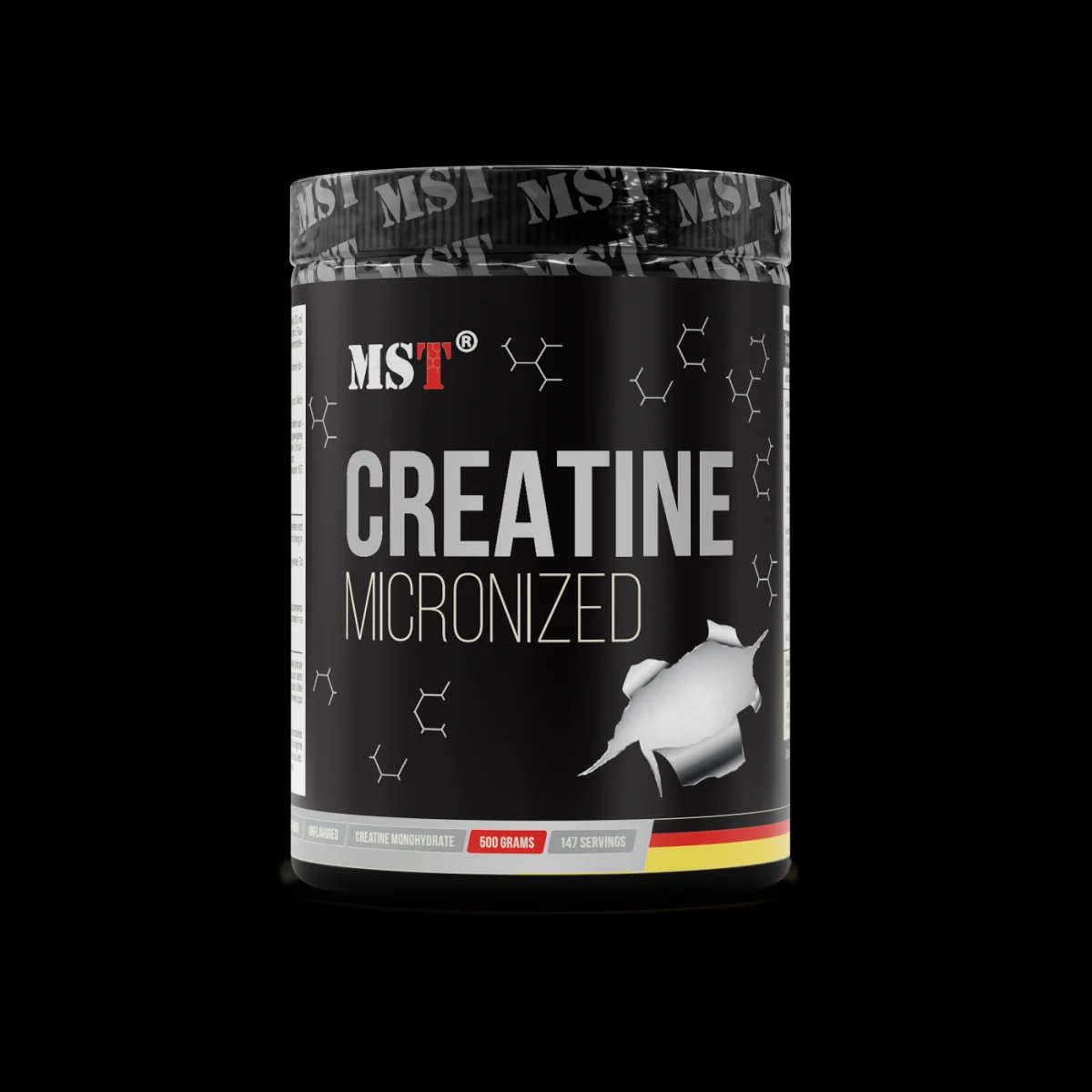
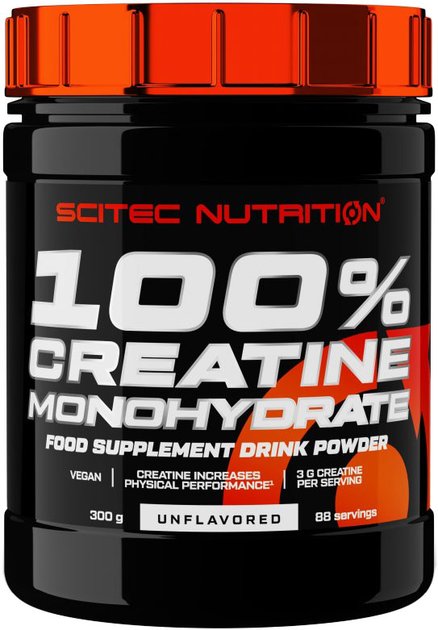
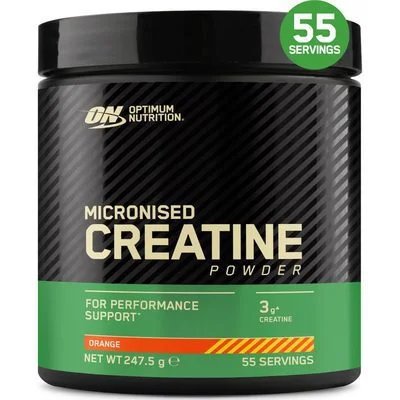
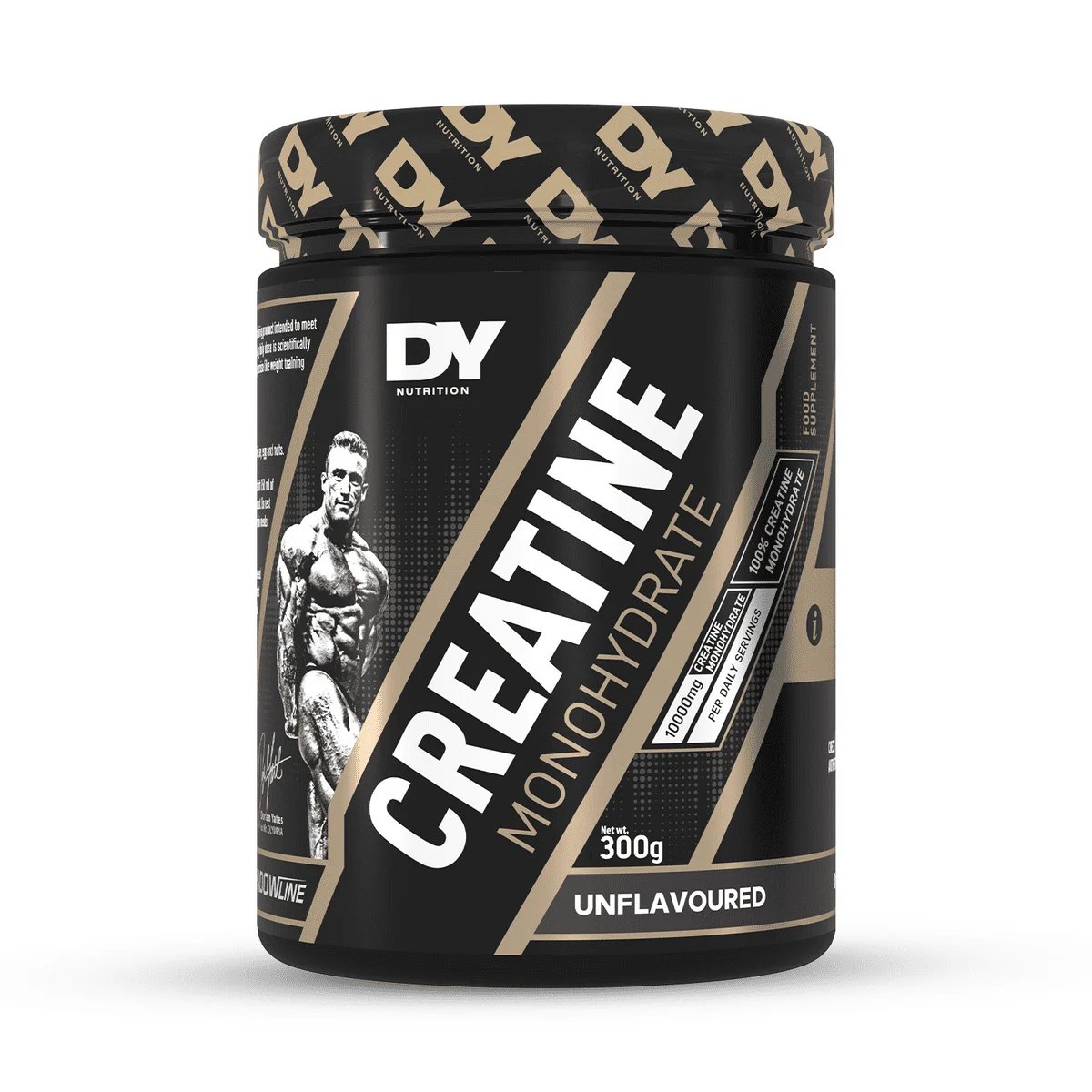
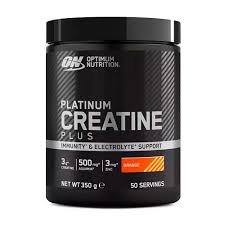
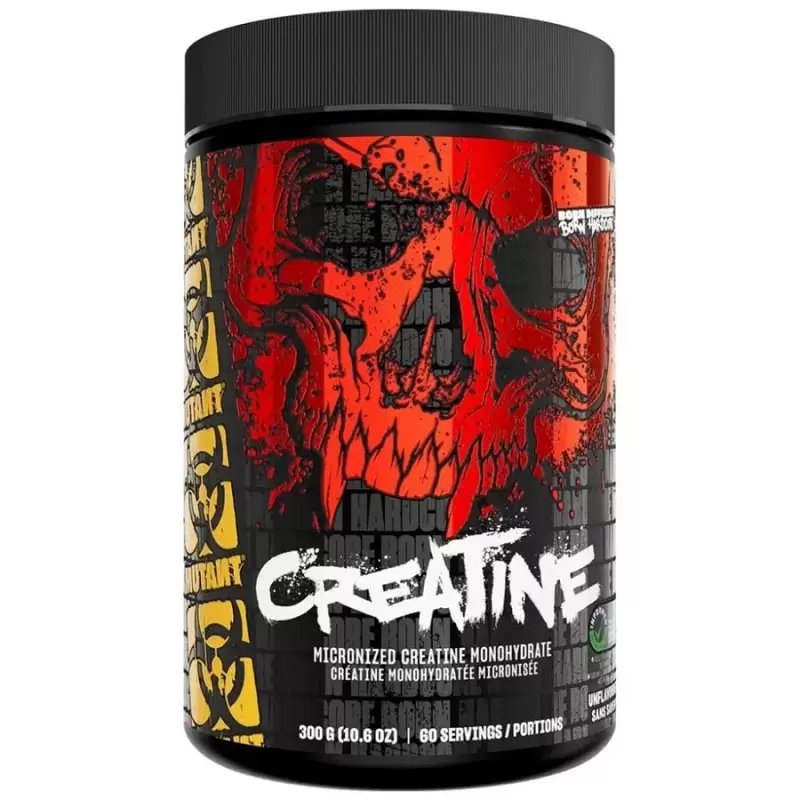
Creatine is a natural compound produced by the body from the amino acids arginine, glycine, and methionine. It is stored primarily in skeletal muscles as phosphocreatine and plays a key role in rapid energy production — the ATP-creatine phosphate system. When muscles need quick energy during intense effort, phosphocreatine donates its phosphate group to ADP, converting it back to ATP. This process occurs in seconds, without oxygen, making creatine especially effective in strength training, sprinting, and explosive activities.
The benefits of creatine have been confirmed in over 500 clinical trials, making it the sports supplement with the strongest evidence base in the world. The International Society of Sports Nutrition (ISSN) has classified creatine in its highest efficacy category. Science has proven that creatine increases strength and power by 5–10%, supports muscle mass growth, improves recovery between sets, hydrates muscle cells (creating a better anabolic environment), and even enhances cognitive function — memory and focus. Importantly, creatine is safe for long-term use: based on hundreds of studies, it does not harm healthy kidneys, liver, or heart. Creatine is found naturally in red meat and fish, but supplementation is significantly more effective and affordable.
| Form | Effectiveness | Solubility | Dose | Price | Notes |
|---|---|---|---|---|---|
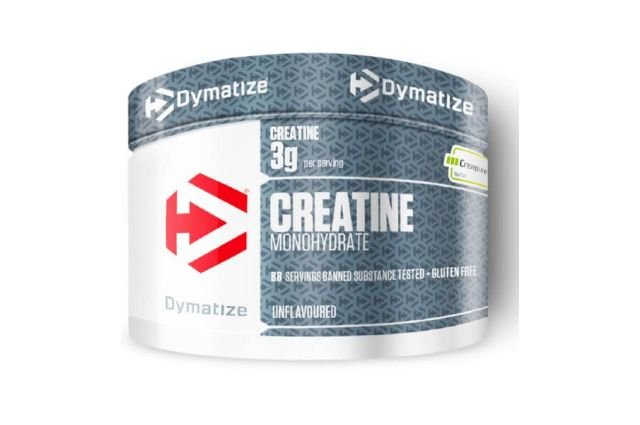
| Creatine Monohydrate | Gold standard | Medium | 3–5 g/day | € | Most researched — 95%+ of studies use this form |
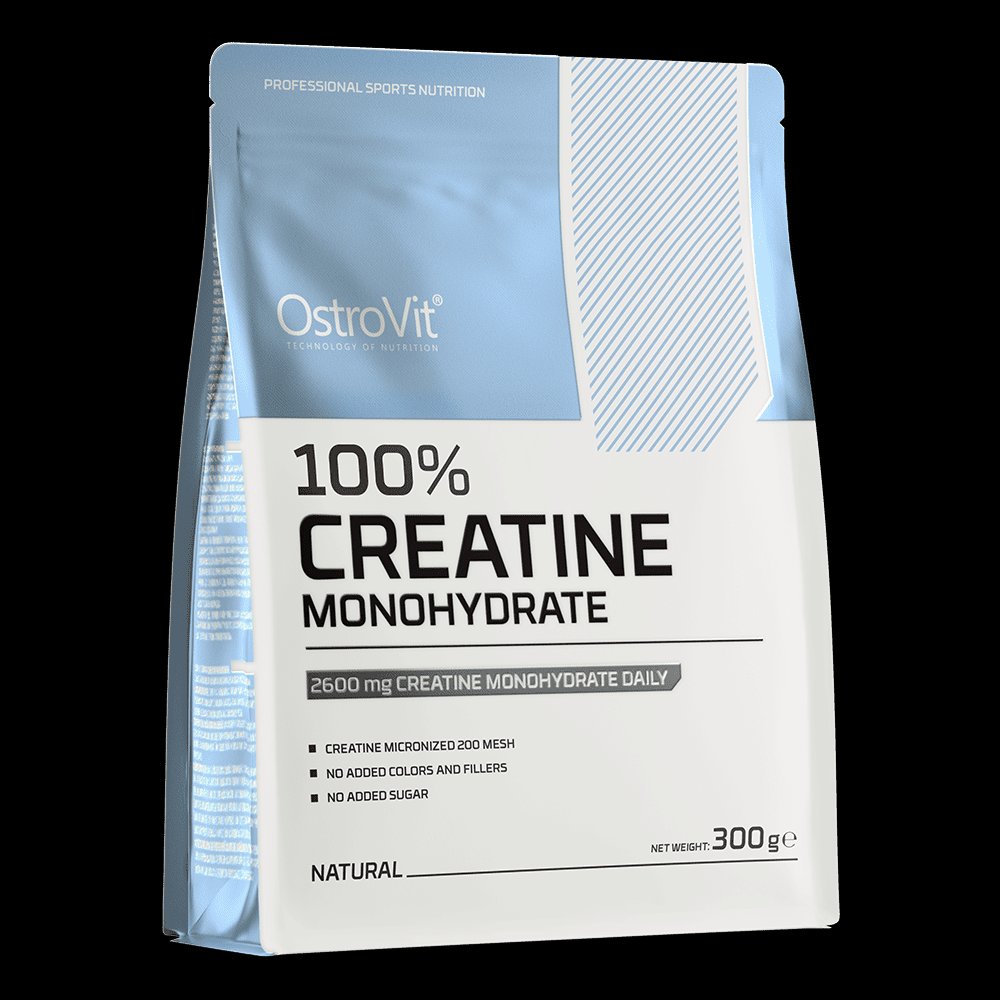
| Micronized Monohydrate | Gold standard | Good | 3–5 g/day | €€ | Finer-ground monohydrate — mixes better in liquids |
| Creatine HCL | Similar | Very good | 1–2 g/day | €€€ | Better solubility, less bloating — limited evidence |
| Buffered Creatine (Kre-Alkalyn) | Similar | Good | 1.5–3 g/day | €€€ | pH-buffered — marketing claims exceed the science |
| Creatine Capsules | Gold standard | – | 3–5 g/day | €€ | Convenience on the go — same efficacy as powder |
Creatine dosing is straightforward — follow these step-by-step guidelines for optimal results. Creatine is also found in food: 500 g of raw beef contains about 2–2.5 g of creatine, herring up to 3.5 g/500 g, and salmon about 2 g/500 g. However, supplementation is far more practical and cost-effective.
Creatine is one of the safest sports supplements, studied in over 500 clinical trials. Side effects are minimal — some people may experience mild bloating during the first week. Long-term studies confirm that creatine does not harm healthy kidneys, liver, or heart. However, individuals with kidney disease should consult a doctor before supplementing.
Creatine monohydrate is the scientifically proven gold standard — over 95% of studies use this form. Creatine HCL dissolves better in water and may cause less bloating, but it lacks a comparable evidence base. HCL is also significantly more expensive. Our recommendation: choose creatine monohydrate — it is the most effective and affordable option.
The optimal creatine dose is 3–5 g per day, taken daily and consistently. With a loading phase you can start at 20 g/day (4x5 g) for 5–7 days, then continue with 3–5 g/day. Without loading, the same result is achieved in 3–4 weeks. By bodyweight: 3 g suits those under 70 kg, 5 g for those over 85 kg.
Loading creatine is not essential. The loading phase (20 g/day for 5–7 days) fills muscle stores quickly — in about one week. Without loading (5 g/day), the same result is reached in 3–4 weeks. Loading can cause bloating and digestive issues, so for most people the simpler 5 g/day protocol works best.
Yes, combining creatine and caffeine is safe. An earlier study suggested caffeine might reduce creatine effectiveness, but newer research does not confirm this. Millions of athletes use both daily — many pre-workout supplements contain both caffeine and creatine. We recommend simply taking them at different times of day.
MaxFit.ee offers a wide selection of quality creatine: creatine monohydrate, micronized creatine, HCL, and creatine capsules. All products are from trusted brands, competitively priced, with free delivery from 75 euros. We ship across Estonia with fast delivery — typically 1–3 business days.
Creatine capsules and powder have the same effectiveness — the difference is in convenience and price. Creatine capsules are handy on the go, require no mixing, and are precisely dosed. Creatine powder is more affordable per gram, allows flexible dosing, and mixes well into shakes. For higher doses we recommend powder, for convenience choose capsules.