


Energy Drinks — Quick Energy for Workouts
11 products · 7 in stock · €2.09–€13.55 · from €0.15/serving · Estonia 1–3 business days, free from €50.00
1–3 day delivery
Free shipping in Estonia from €50
Secure payment


Useful Articles


What are sports energy drinks and how do they differ from regular ones?
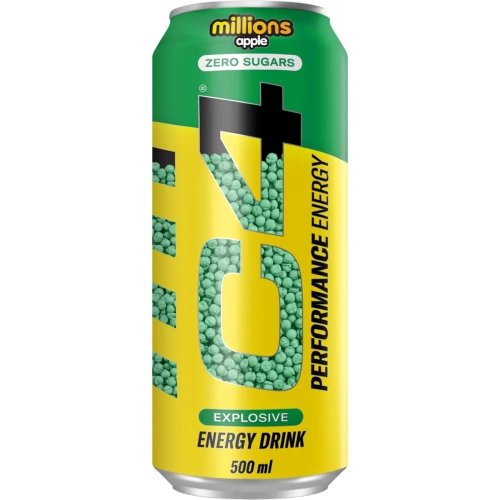
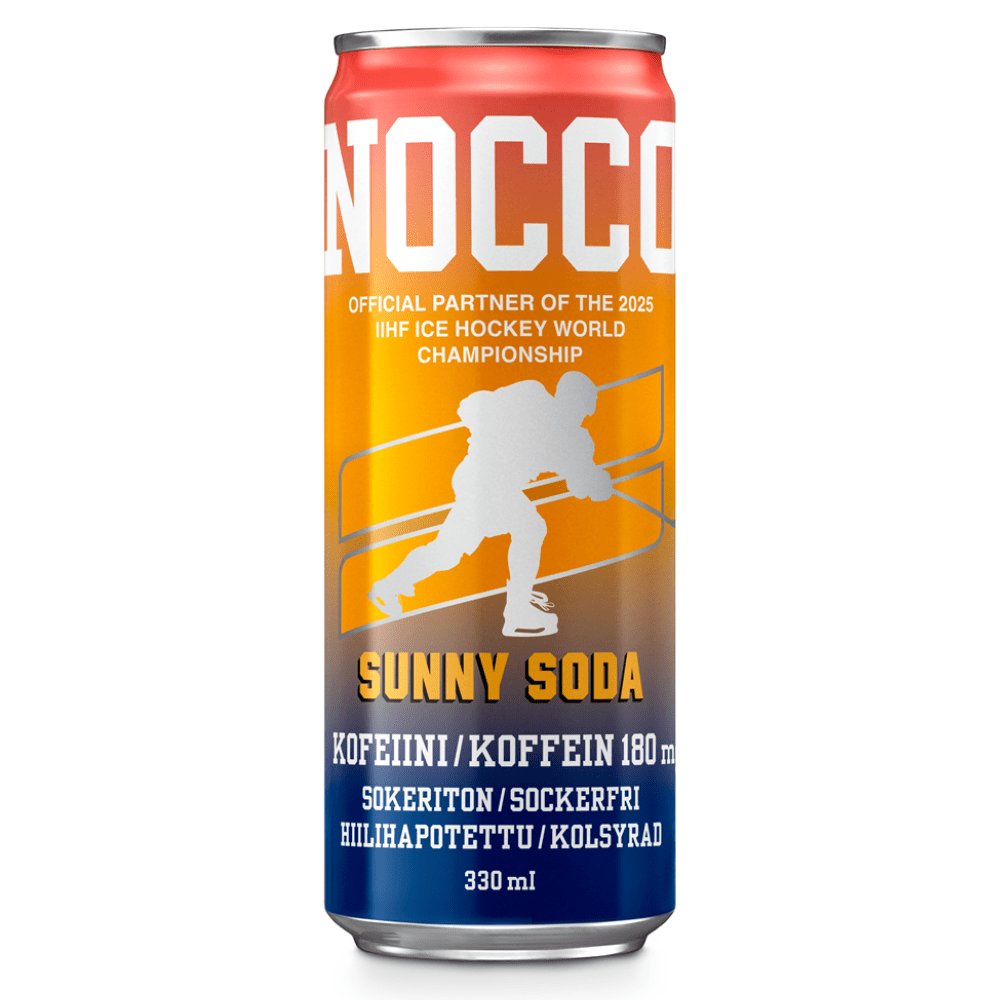
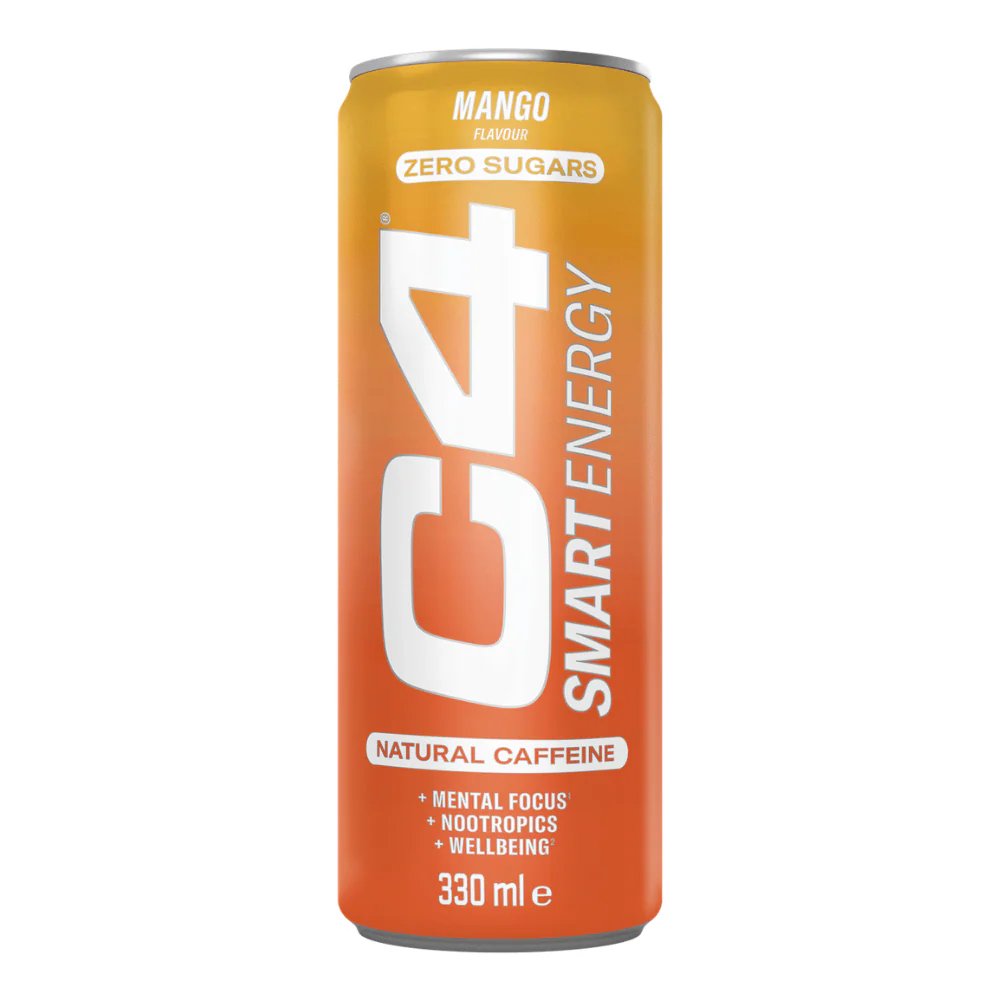
Sports energy drinks are functional beverages specifically designed to support physical performance — they contain caffeine, electrolytes, B vitamins, and often amino acids like taurine and L-carnitine. Unlike regular energy drinks, sports formulas have less sugar and more performance-supporting ingredients. The caffeine content (80-200 mg per can) improves reaction time, focus, and endurance, making them a convenient pre-workout alternative.
Frequently asked questions about energy drinks
The European Food Safety Authority recommends a maximum of 400 mg of caffeine per day for adults. This typically means 2-3 cans depending on caffeine content. Account for other caffeine sources (coffee, tea, pre-workout). Over 400 mg of caffeine daily can cause heart palpitations, anxiety, and sleep problems.
Partially yes — an energy drink provides caffeine and often taurine and B vitamins that support performance. However, most energy drinks lack effective doses of beta-alanine, citrulline, or creatine, which are the core ingredients in pre-workout supplements. For lighter training an energy drink suffices, but for intense strength training a dedicated pre-workout is more effective.
Sugar-free energy drinks contain significantly fewer calories (0-10 kcal vs 100-200 kcal), which is an advantage for weight-watchers and athletes. They commonly use sucralose or stevia as sweeteners, which do not affect blood sugar. The caffeine content is the same in sugar-free versions, so the stimulant effect is identical.