


Caffeine — Energy & Focus
1 products · 1 in stock · €8.30–€8.30 · Estonia 1–3 business days, free from €50.00
1–3 day delivery
Free shipping in Estonia from €50
Secure payment


Useful Articles


What are caffeine supplements and how do they support energy?
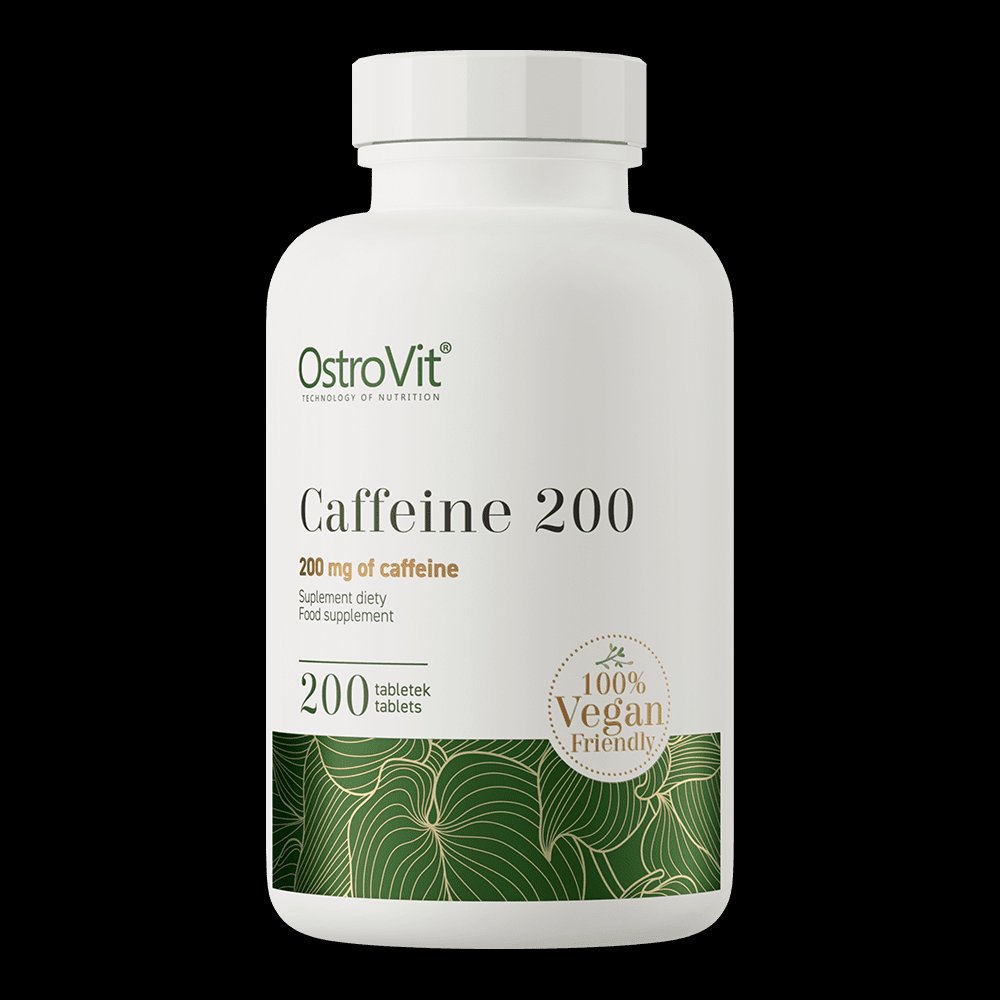
Caffeine is the world's most consumed stimulant, blocking adenosine receptors in the brain to reduce fatigue and increase alertness. Caffeine supplements offer a precise dose without coffee's sugars and calories — capsules, tablets, and powders are popular among athletes and active individuals. Caffeine boosts workout intensity, improves endurance, and increases fat burning.
Frequently asked questions about caffeine
For healthy adults, up to 400 mg of caffeine per day (about 4 cups of coffee) is considered safe. Athletes use 3-6 mg per kilogram of body weight for performance enhancement, which for an 80 kg person is 240-480 mg. For pregnant and breastfeeding women, the recommended limit is 200 mg per day.
The optimal time is 30-60 minutes before training, when caffeine reaches peak blood levels. For endurance workouts, caffeine can also be consumed during exercise. Avoid caffeine within 6 hours of bedtime, as it can impair sleep quality even if you feel drowsy.
Yes, regular caffeine consumption develops tolerance within 1-2 weeks, meaning larger doses are needed for the same effect. To reduce tolerance, experts recommend caffeine breaks: 1-2 weeks without caffeine every 6-8 weeks restores sensitivity to nearly baseline levels.
Caffeine tablets offer a precise, controlled dose without coffee's additives. Tablets lack the digestive side effects from chlorogenic acid and other coffee compounds. However, coffee also contains beneficial antioxidants. The choice depends on the goal — tablets suit precise pre-workout dosing, while coffee is great for daily enjoyment.