Skip to content
MaxFit
.ee
🇬🇧
EN
MaxFit
.ee
TurboAI
AI
Account
Log in
⌄
My orders
& tracking
🇬🇧
EN
⌄
0
Basket
Home
Sport Nutrition
Vitamins and Minerals
Health Supplements
Healthy Food
Accessories
Blog
More
⌵
Home
Sports
Vitamins
Health
Food
Gear
Blog
All
/
Health Supplements
/
Heart and Blood Vessels
/
Alpha-Lipoic Acid (ALA) — Universal Antioxidant
Alpha-Lipoic Acid (ALA) — Universal Antioxidant
ALA Alpha-Lipoic Acid
(2)
Coenzyme Q10
Coenzyme Q10 (Ubiquinol)
Omega 3-6-9
Omega 3
Taurine
Garlic Oil
Berberine
1–3 day delivery
Free shipping from €50
Secure payment
2 Showing results
Sort by:
Featured
Price: Low to High
Price: High to Low
Price per Serving
Rating
Newest
Sort by
Brand
Price
Dietary
Item Form
Deals
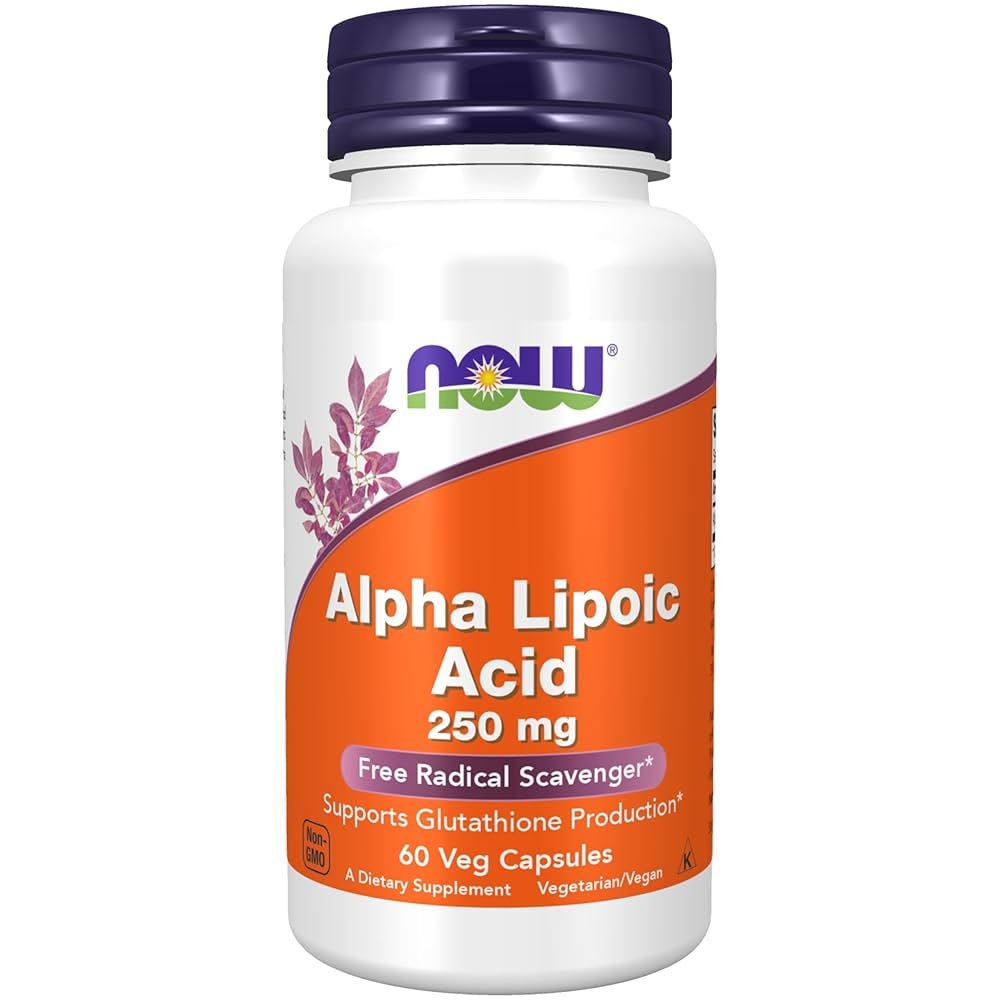
NOW Alpha Lipoic Acid 250mg 60 Veg Caps
NOW
•
Alpha-Lipoic Acid (ALA)
€
17
90
€0.30 per serving
• 60 servings
Get it by Saturday, May 30
❤️ Wellness
Only 2 left
Add to Basket
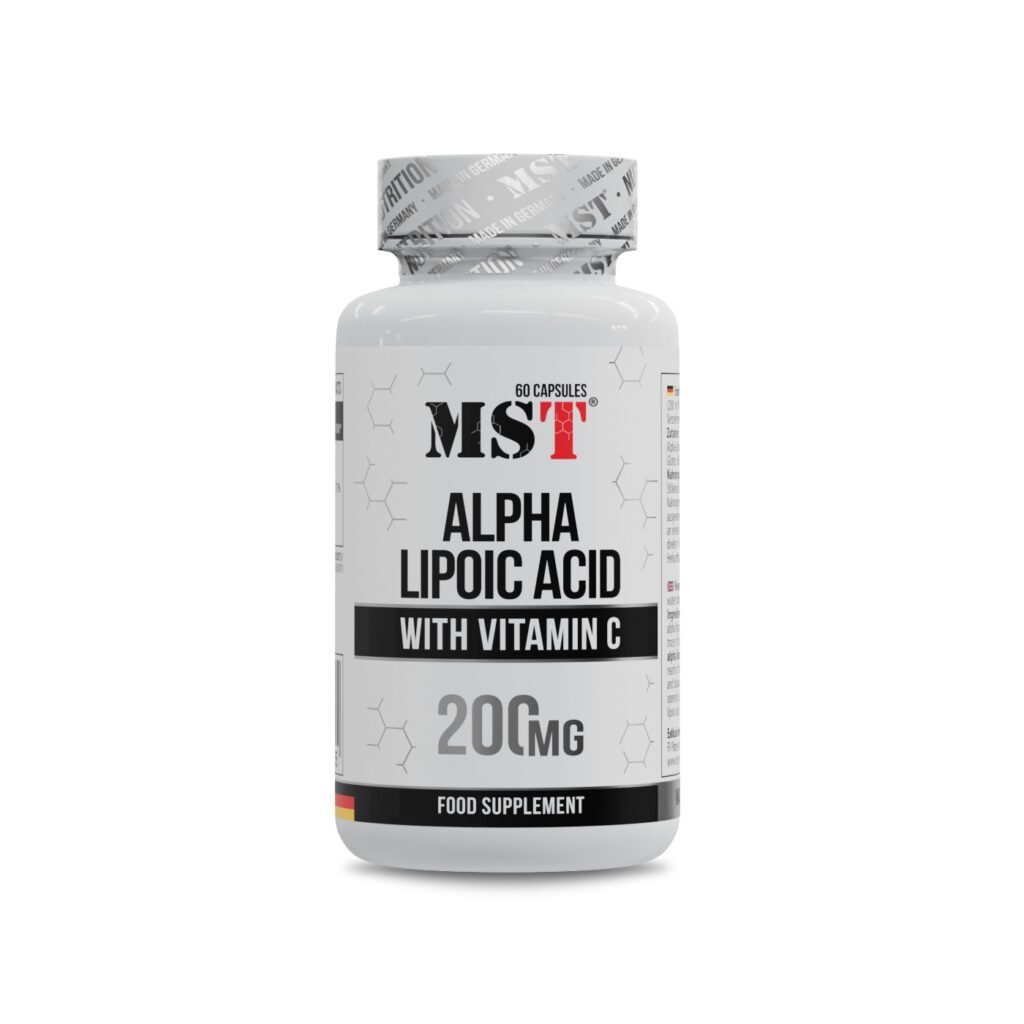
MST Alpha Lipoic Acid 200mg + Vitamin C 60 Capsules
MST Nutrition®
•
Antioxidants
€
18
90
€0.32 per serving
• 60 servings
Get it by Saturday, May 30
❤️ Wellness
Add to Basket
Related Categories
Coenzyme Q10 — Supplement for Heart & Cellular Energy
NAC — N-Acetyl Cysteine for Liver & Respiratory Support