Eye Health in the Screen Age
We spend more time in front of screens than ever before — computers, phones, tablets. During Estonia's dark winter months, artificial light adds further strain on the eyes. Dry indoor air in heated rooms makes eyes dry and irritated.
While no supplement replaces regular eye check-ups and healthy screen habits, several nutrients support normal eye function.
Essential Supplements for Eye Health
1. Vitamin A — Maintaining Normal Vision
Vitamin A contributes to the maintenance of normal vision (EFSA-approved claim). It is essential for retinal — the normal function of the eye's photoreceptors, especially for vision in dim light.
- Recommended dose: 700-900 mcg retinol equivalents (RE) per day
- Food sources: Liver, egg yolk, carrots (beta-carotene), spinach
- As a supplement: Beta-carotene is converted to vitamin A in the body as needed
- Warning: Do not exceed 3,000 mcg RE per day — excess vitamin A is toxic
2. DHA (Omega-3 Fatty Acid)
DHA contributes to the maintenance of normal vision (EFSA-approved claim, at 250 mg DHA per day). DHA is the most important fatty acid in the retina — it makes up to 60% of retinal fatty acids (SanGiovanni & Chew, 2005).
- Recommended dose: At least 250 mg DHA per day
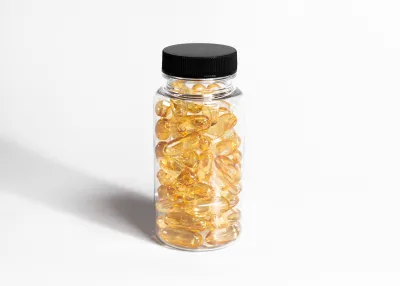
- Form: Fish oil or algae oil (for plant-based preference)
- Tip: Quality fish oil ensures adequate DHA content
- Additional benefit: EPA+DHA at 250 mg per day also contributes to normal heart function
3. Zinc — Vision Support
Zinc contributes to the maintenance of normal vision (EFSA-approved claim). Zinc is found in high concentrations in the retina and choroid and is necessary for the transport and utilisation of vitamin A.
- Recommended dose: 15-25 mg per day
- Form: Zinc bisglycinate
- Tip: Zinc and vitamin A work synergistically — zinc helps vitamin A function properly in the eye
4. Lutein and Zeaxanthin
Lutein and zeaxanthin are carotenoids that accumulate in the macula of the eye (the yellow spot region). These pigments act as natural blue light filters and antioxidants in the retina.
- Recommended dose: 10 mg lutein + 2 mg zeaxanthin per day
- Food sources: Spinach, kale, egg yolk, corn
- Tip: Lutein is fat-soluble — take with a fat-containing meal
- Screen context: Especially relevant for people who spend significant time in front of screens
5. Bilberry
Bilberry contains anthocyanins — potent natural antioxidants. The Nordic tradition of consuming bilberry for eye support is historical and natural.
- Recommended dose: 80-160 mg bilberry extract per day (standardised to 25% anthocyanins)
- Estonian context: Our forests are full of bilberries — eat them fresh in summer, use extract in winter
- Form: Standardised extract in capsules
The Impact of Screen Time on Eyes
Digital eye strain is a modern issue that includes:
- Dry eyes: We blink 60% less when looking at screens
- Blue light: Screens emit high-energy blue light
- Eye fatigue: Prolonged near-work strains the eye muscles
Practical Tips
- 20-20-20 rule: Every 20 minutes, look at something 20 feet (6 metres) away for 20 seconds
- Blink consciously: Especially while working at a screen
- Adjust screen brightness: Match it to ambient lighting
- Use a blue light filter: Especially during evening hours
- Humidity: In Estonian winter, use a humidifier
Daily Protocol for Eye Support
| Time | Supplement | Dose |
|---|---|---|
| Breakfast | DHA (omega-3) | 250+ mg DHA |
| Breakfast | Lutein + zeaxanthin | 10 mg + 2 mg |
| Lunch | Zinc | 15 mg |
| Lunch | Vitamin A (from food/supplement) | 800 mcg RE |
| Evening | Bilberry extract | 80 mg |
Common Mistakes
- Overdosing vitamin A — vitamin A is fat-soluble and accumulates in the body. Do not exceed the safe limit (3,000 mcg RE).
- Relying only on supplements — changing screen habits is equally important
- Skipping eye check-ups — supplements do not replace professional eye examinations
- Taking lutein without fat — lutein is fat-soluble and needs fat for absorption
Frequently Asked Questions
Do lutein and zeaxanthin help against blue light? Lutein and zeaxanthin accumulate in the eye's macula, where they act as a natural filter. Regular intake helps maintain these pigments in the eye.
Do bilberries really help vision? Bilberries contain anthocyanins, which are potent antioxidants. They have traditionally been associated with supporting eye health, but they do not improve visual acuity.
Do children need eye supplements? Children's nutrient needs differ. A balanced diet usually covers children's needs. If concerned, consult a paediatrician.
See Also
Browse our vitamin selection →
References
- SanGiovanni, J.P. & Chew, E.Y. (2005). The role of omega-3 long-chain polyunsaturated fatty acids in health and disease of the retina. Progress in Retinal and Eye Research, 24(1), 87-138.
- Age-Related Eye Disease Study 2 Research Group (2013). Lutein + zeaxanthin and omega-3 fatty acids for age-related macular degeneration: the AREDS2 randomized clinical trial. JAMA, 309(19), 2005-2015.
- Rasmussen, H.M. & Johnson, E.J. (2013). Nutrients for the aging eye. Clinical Interventions in Aging, 8, 741-748.
Disclaimer
A food supplement is not a substitute for a varied and balanced diet and a healthy lifestyle.