Stress in an Athlete's Life: Friend or Foe?
Not all stress is bad in a sporting context. Short-term stress activates norepinephrine and adrenaline, sharpening focus and explosive power—useful in training. The problem arises when the stress state becomes chronic: cortisol remains elevated, the immune system weakens, and muscle protein begins to be used as an energy source (Kreher & Schwartz, 2012).
Athletes face more stressors than most: training load, competition anxiety, nutrition demands, sleep debt, and balancing work with sport. Without conscious management, this combination leads quickly to overtraining syndrome.
Cortisol: The Metric Worth Watching
Cortisol is the stress hormone produced by the adrenal glands in response to physical and psychological stress. A morning cortisol peak is normal and healthy—it helps you wake up. But chronically elevated cortisol is associated with:
- Reduced testosterone in men
- Hormonal disruption in women
- Poor muscle recovery after training
- Sleep disturbances
- Weakened immune function (Sapolsky, 2004)
Effective Stress Management Techniques for Athletes
Breathing Exercises
Diaphragmatic breathing (the 4-7-8 method) activates the parasympathetic nervous system and lowers heart rate within minutes. The technique: inhale for 4 counts, hold for 7, exhale for 8. Even five minutes daily has shown cortisol-lowering effects in research (Jerath et al., 2006).
Progressive Muscle Relaxation
Work through each muscle group sequentially—tense for five seconds, then release. This technique is especially effective before sleep as it breaks the cycle of physical tension.
The Importance of Non-Training Activities
Nature, social connections, and hobbies unrelated to sport give the brain important grounding. Research shows spending 20–30 minutes in nature daily significantly reduces cortisol levels (Hunter et al., 2019).
Adaptogens and Supplements for Stress
Adaptogens are herbs and fungi that help the body adapt to stressful conditions without over-stimulating it. Clinical trials confirm several of them.
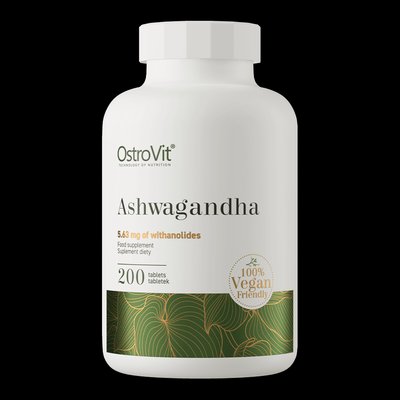 OstroVit Ashwagandha VEGE€10.90 In stock 90tabs – ashwagandha (Withania somnifera) is one of the most studied adaptogens. Eight weeks of use reduced cortisol levels by up to 27.9% (Chandrasekhar et al., 2012). Available at MaxFit.
ICONFIT Capsules Ashwagandha N90 – from Estonian brand ICONFIT, ideal for those who prefer a local product with standardised ashwagandha extract.
BIOTECHUSA Magnesium + Chelate – magnesium participates in over 300 enzymatic reactions, and deficiency is linked to increased stress sensitivity. Chelated forms offer significantly better bioavailability than oxide forms.
Find adaptogens at MaxFit in the /en/category/taimsed-toidulisandid-narvisusteemile-narvisusteem category.
Nutrition and Stress
High-sugar foods cause rapid blood glucose swings that trigger anxiety feelings and energy crashes. Simple sports nutrition principles:
- Choose slow-digesting carbohydrates (oats, whole grains)
- Regular meals keep blood sugar stable
- Omega-3 fatty acids reduce inflammation that is closely linked to stress
FAQ
Is ashwagandha safe for daily use?
Yes, ashwagandha is generally considered safe at standardised doses (300–600 mg of KSM-66 extract per day). It is not recommended for pregnant or breastfeeding women without medical advice. At higher doses, some people may experience gastrointestinal discomfort.
How long does ashwagandha take to work?
In clinical trials, cortisol-lowering and anxiety-reducing effects begin to appear after 4–8 weeks of consistent use. Individual variation exists.
Is exercise itself an anti-stress tool?
Yes—moderate exercise is one of the most effective stress management strategies available. Aerobic movement increases endorphin production and improves sleep quality. However, excessively intense training without adequate recovery can itself become a source of stress.
References
- Kreher, J. B., & Schwartz, J. B. (2012). Overtraining syndrome: a practical guide. Sports Health, 4(2), 128–138.
- Sapolsky, R. M. (2004). Why Zebras Don't Get Ulcers. Holt Paperbacks, 3rd edition.
- Chandrasekhar, K., Kapoor, J., & Anishetty, S. (2012). A prospective, randomized double-blind, placebo-controlled study of ashwagandha root extract. Indian Journal of Psychological Medicine, 34(3), 255–262.
- Jerath, R., Edry, J. W., Barnes, V. A., & Jerath, V. (2006). Physiology of long pranayamic breathing. Medical Hypotheses, 67(3), 566–571.
- Hunter, M. R., Gillespie, B. W., & Chen, S. Y. P. (2019). Urban nature experiences reduce stress in the context of daily life. Frontiers in Psychology, 10, 722.