Why Meal Prep Is an Athlete's Best Investment
Most athletes fall behind their goals not because of willpower but because of logistics. A long workday, a tired body, and an empty fridge equals fast food or a skipped meal. Meal prep solves this in one go—spend 2–3 hours in the kitchen once a week and the rest of the week takes care of itself.
Research shows that people who plan their meals in advance have better diet quality, lower body weight indices, and greater consistency in training (Ducrot et al., 2017).
Starting Principles
1. Start Simple
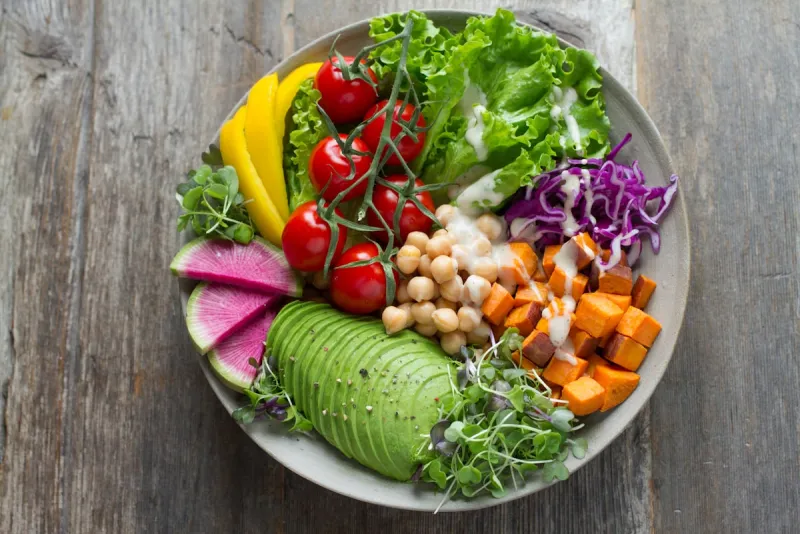
The biggest mistake for beginners: trying to prepare 21 different meals at once. Start with three components:
- Protein: boiled chicken, eggs, canned tuna
- Carbohydrate: cooked rice, potato, oats
- Vegetables: washed and sliced cucumber, peppers, carrot
These three can be combined into dozens of different meals.
2. Invest in Quality Containers
Hermetically sealed glass containers are more hygienic than plastic and keep food fresh longer. Portion size matters for a sports bag—invest in more compact containers.
3. Prep on the Weekend
A 2–3 hour Sunday session in the kitchen covers the entire week. Alternative: mini-prep on two days (Sunday + Tuesday or Wednesday).
Pre- and Post-Training Nutrition
Before Training (60–90 minutes prior)
Goal: energy for the session. Ideal combination:
- Simple and complex carbohydrates (banana + oats)
- Moderate amount of protein
- Minimal fat (slows digestion)
After Training (0–60 minutes after)
Goal: recovery and muscle repair. You need:
- 20–40 g fast-absorbing protein (whey is best here)
- 30–60 g fast carbohydrates (banana, white rice)
OstroVit Vegan Meal Shake 1000g Cappuccino is an excellent all-in-one solution for those who need quick recovery nutrition. It contains protein, carbohydrates, and fibre—ideal when a full meal is not accessible.
SELF Instant Oat 1kg Biscotto Cookie – instant oats are fast, affordable, and a versatile meal prep staple. Useful for breakfast, a pre-training snack, and even baking.
Sample Weekly Meal Prep Plan
| Meal | Pre-prepared | Add Fresh |
|---|---|---|
| Breakfast | Oats, boiled eggs | Fruit, berries |
| Lunch | Chicken + rice + vegetables | Dressing |
| Post-workout | Protein powder (scooped out) | Banana, milk |
| Dinner | Baked potato, tuna | Fresh vegetables |
| Snack | Nuts, cottage cheese | – |
Time-Saving Techniques
Batch Cooking Methods
- Rice: cook 500–800 g at once—covers 4–5 days
- Chicken: roast a full tray in the oven at once—30 minutes yields 5–6 portions
- Boiled eggs: 8–10 at a time, keep in the fridge for 7 days
- Vegetables: slice an entire week's worth and store in airtight containers
Supplements as Part of Meal Prep
Supplements are sometimes the best fast nutrition—especially when there is no time to prepare a full meal. MyProtein L-Carnitine 180tabs can support fat metabolism in actively training individuals. Find proteins and supplements at MaxFit in the /en/category/valgud category.
FAQ
How long does prepped food last in the fridge?
General rule: cooked chicken, fish, and meat 3–4 days; cooked rice and pasta 5–7 days; raw vegetables 5–7 days in an airtight container. Freezing extends shelf life to up to 3 months.
Is meal prep expensive?
In practice it is usually cheaper. Buying in bulk reduces food waste, lessens the temptation for fast food, and avoids costly spontaneous purchases. Costs typically drop 20–30% compared with unplanned eating.
How to avoid boredom from eating the same thing every day?
Keyword: sauces. The same chicken-and-rice combination tastes completely different with soy sauce, tomato sauce, garlic butter, or curry. Keep 3–4 different sauces on hand and variety becomes automatic.
References
- Ducrot, P., Méjean, C., Aroumougame, V., Ibanez, G., Allès, B., Kesse-Guyot, E., Hercberg, S., & Péneau, S. (2017). Meal planning is associated with food variety, diet quality and body weight status. International Journal of Behavioral Nutrition and Physical Activity, 14(1), 12.
- Kerksick, C. M., Arent, S., Schoenfeld, B. J., et al. (2017). International society of sports nutrition position stand: nutrient timing. Journal of the International Society of Sports Nutrition, 14, 33.
- Phillips, S. M., & Van Loon, L. J. C. (2011). Dietary protein for athletes. Journal of Sports Sciences, 29(Suppl 1), S29–S38.
- Jeukendrup, A. E. (2011). Nutrition for endurance sports. Journal of Sports Sciences, 29(Suppl 1), S91–S99.
- Thomas, D. T., Erdman, K. A., & Burke, L. M. (2016). Nutrition and athletic performance. Medicine & Science in Sports & Exercise, 48(3), 543–568.