
Why Strength Training Becomes More Important After 40
After the age of 40, several changes occur in the body: testosterone and growth hormone levels decline, the number of muscle fibers decreases, and bone density begins to drop. However, research shows that regular strength training can significantly slow these processes — and in some cases even reverse them (Westcott, 2012).
Muscle loss (sarcopenia) begins around age 30 and accelerates after 40 at roughly 1–2% per year without intervention (Cruz-Jentoft et al., 2019). Strength training is the most effective tool to combat this.
Key Differences Compared to Training When Younger
Being over 40 doesn't automatically mean you have to do less. It does mean adjusting your approach:
Recovery Takes Longer
Muscle tissue repair is slower. Between two intense sessions targeting the same muscles, you need more time — often 48–72 hours. Plan your weekly schedule so each muscle group gets adequate rest.
Warm-Up Is Critical
A 10–15 minute dynamic warm-up is not optional. Joint mobility exercises, lighter warm-up sets, and raising body temperature significantly reduce injury risk.
Compound Movements Become the Priority
Squats, deadlifts, presses, rows — these exercises activate large muscle groups, stimulate hormonal response, and support functional movement.
Recommended Training Structure for Over-40s
| Aspect | Recommendation |
|---|---|
| Training frequency | 3–4 times per week |
| Sets per exercise | 3–4 |
| Reps | 8–15 |
| Rest between sets | 90–120 seconds |
| Intensity | 65–80% of 1RM |
| Deload week | Every 4th–6th week |
A study in the Journal of Strength and Conditioning Research found that moderate-intensity training (70–75% 1RM) produced greater muscle mass gains in men over 50 than high-intensity programs while causing significantly fewer injuries (Colado & Triplett, 2008).
The Role of Nutrition
Protein is absolutely essential. After 40, it is recommended to consume 1.6–2.2 g of protein per kg of body weight per day to support muscle recovery and growth (Morton et al., 2018). Choose quality sources like BIOTECHUSA 100% Pure Whey Banana 2270g — a convenient way to meet your daily protein needs.
Creatine is another key supplement. Clinical research has repeatedly shown that creatine supplementation improves strength performance and muscle growth even in older adults (Lanhers et al., 2017). 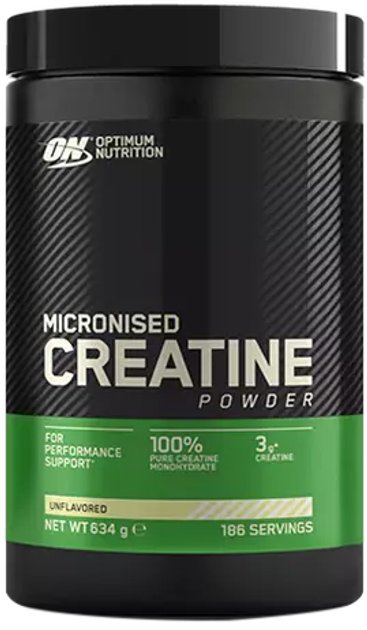 Optimum Nutrition Micronised Creatine€36.90 In stock 360 g Blue Raspberry is an excellent choice for pure, tested creatine monohydrate.
Omega-3 fatty acids help reduce post-exercise inflammation and joint soreness, which becomes increasingly important over 40. Browse the omega-3 category at MaxFit.
Joint Health and Injury Prevention
After 40, joint health is paramount. Some practical tips:
- Foam rolling — myofascial release before and after training
- Use a full range of motion in all exercises
- Prioritize technique over weight — always
- Learn to listen — if a joint hurts, it's a warning sign, not weakness
Collagen supports joint cartilage health. Check the collagen product selection at MaxFit.
Motivation and Long-Term Perspective
One of the biggest advantages of training after 40 is mental maturity: you already know how to set goals and build habits. Use that. Set realistic short-term goals (e.g., 4 workouts per week for 8 weeks) and track your progress.
Estonian athletes find a wide range of quality supplements at maxfit.ee, covering every training goal.
FAQ
Is it too late to start strength training after 40?
Absolutely not. Research shows that even people aged 70–80 can achieve significant gains in muscle mass and strength through resistance training. Starting is always better than not starting.
How often should someone over 40 strength train?
For most people, 3–4 times per week is optimal. This provides sufficient stimulus while allowing adequate recovery time.
Should I use supplements after 40?
Protein and creatine are the most scientifically supported supplements for muscle mass and strength. Omega-3 is useful for reducing inflammation. Consult your doctor before starting any new supplement regimen.
References
- Westcott, W. L. (2012). Resistance training is medicine: Effects of strength training on health. Current Sports Medicine Reports, 11(4), 209–216.
- Cruz-Jentoft, A. J., et al. (2019). Sarcopenia: Revised European consensus on definition and diagnosis. Age and Ageing, 48(1), 16–31.
- Colado, J. C., & Triplett, N. T. (2008). Effects of a short-term resistance program using elastic bands versus weight machines for sedentary middle-aged women. Journal of Strength and Conditioning Research, 22(5), 1441–1448.
- Morton, R. W., et al. (2018). A systematic review, meta-analysis and meta-regression of the effect of protein supplementation on resistance training-induced gains in muscle mass and strength. British Journal of Sports Medicine, 52(6), 376–384.
- Lanhers, C., et al. (2017). Creatine supplementation and upper limb strength performance: A systematic review and meta-analysis. Sports Medicine, 47(1), 163–173.