Psyllium for Vegans & Vegetarians: A Practical Guide
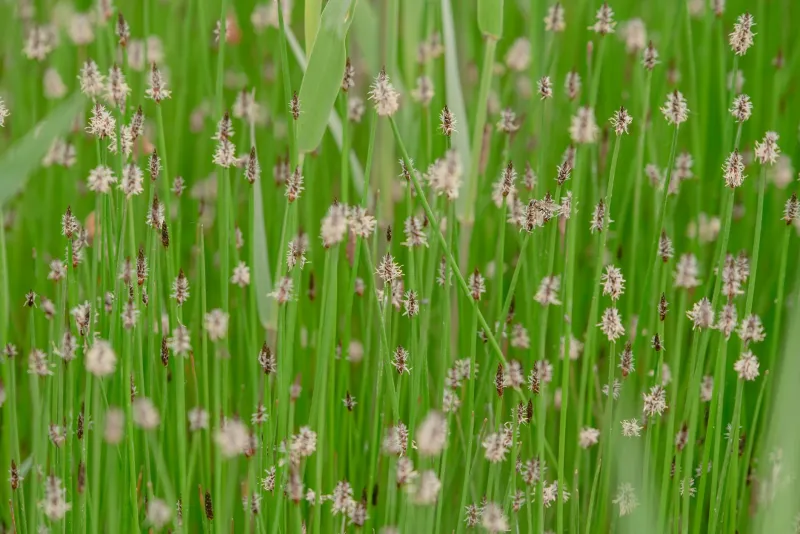
Psyllium (Plantago ovata) husk is one of the most studied dietary fibre supplements available. Derived from the seed husks of the psyllium plant, it is entirely plant-based, making it a naturally suitable supplement for vegans and vegetarians. Its primary functions are supporting regular bowel movements and contributing to healthy cholesterol levels — both of which have solid clinical backing.
Why Plant-Based Diets May Benefit from Psyllium
Vegan and vegetarian diets are typically higher in total fibre than omnivore diets, because whole grains, legumes, vegetables, and fruits are all fibre-rich. However, the type and distribution of fibre matters as much as total intake. Psyllium is predominantly a soluble fibre that forms a viscous gel in the gut — this property is distinct from the insoluble fibre dominant in many whole grains and vegetables.
This viscous gel has two well-supported effects: it slows gastric emptying (promoting satiety and moderating blood glucose response after meals), and it binds to bile acids in the intestine, which promotes cholesterol excretion. A meta-analysis by Brown et al. (1999) analysed data from randomised trials and found that psyllium supplementation produced meaningful reductions in total and LDL cholesterol. This is relevant even for vegans, since LDL levels can vary regardless of diet type.
Additionally, vegans who rely heavily on whole grains may already have adequate insoluble fibre but insufficient viscous soluble fibre for optimal cholesterol and blood glucose management — making psyllium a targeted complement.
Dose Targets
Most clinical trials on psyllium's cholesterol-lowering effects used daily doses of psyllium husk in the range of several grams, taken in divided doses before or with meals. Effects on cholesterol were observed with consistent daily use over several weeks.
For digestive regularity, psyllium can be effective at lower daily amounts. Always start with a smaller amount and gradually increase to allow the gut to adapt. Psyllium must be taken with a generous amount of water — it absorbs liquid and swells, so insufficient hydration can cause discomfort or, rarely, obstruction.
ICONFIT Superfoods Organic Psyllium Husk Powder 150g and NOW Psyllium Husk 500mg 200 veg caps are psyllium products available at maxfit.ee in the kiudained and psullium categories.
What to Combine
Psyllium works synergistically with a high-water diet — always essential when adding significant soluble fibre. For vegans specifically:
- Omega-3 fatty acids: cholesterol management benefits compound when psyllium is paired with omega-3-rich foods or supplements (the cholesterol reduction from soluble fibre is complementary to the cardioprotective effects of omega-3s).
- Probiotic foods and supplements: psyllium is a prebiotic, feeding beneficial gut bacteria. Combining it with probiotic sources supports a healthier gut microbiome.
- Plant protein shakes: adding psyllium to a vegan protein shake increases total fibre content and promotes greater satiety from the shake.
Choosing a Vegan Product
Psyllium husk is entirely plant-derived, so the ingredient itself is always vegan. Key considerations when choosing a psyllium product:
- Pure psyllium husk vs husks powder vs whole seeds: psyllium husk powder is the most refined form with the highest fibre content and is the type used in most clinical trials. Whole psyllium seeds have lower soluble fibre content per gram.
- Capsule form: useful for those who dislike the texture of psyllium in water. Confirm HPMC (vegetarian) capsules rather than gelatin.
- Organic certification: a common preference among vegan consumers, available in several products at maxfit.ee.
- No added flavours or sweeteners: particularly relevant if you have food sensitivities.
FAQ
Does psyllium cause gas or bloating?
For some people, especially when starting psyllium or increasing dose rapidly, temporary gas or bloating can occur as gut bacteria adjust to the increased fermentable fibre load. Starting with a small amount and gradually increasing over one to two weeks typically minimises this. Staying well hydrated is also important.
Can psyllium interfere with medication absorption?
Yes, psyllium can slow the absorption of some medications by slowing gastric transit. Always take medications at least two hours before or two hours after psyllium. If you take any regular medication, check with your pharmacist or doctor before starting psyllium supplements.
How quickly does psyllium work for constipation?
For occasional constipation, psyllium typically produces effects within one to three days of consistent use. For chronic constipation or long-term digestive regularity, daily use over several weeks establishes a more reliable pattern. Unlike laxative medicines, psyllium works through a physical-mechanical mechanism and is considered safe for long-term daily use.
References
Brown, L., Rosner, B., Willett, W. W., & Sacks, F. M. (1999). Cholesterol-lowering effects of dietary fiber: a meta-analysis. American Journal of Clinical Nutrition, 69(1), 30-42. https://pubmed.ncbi.nlm.nih.gov/9925120/
McRorie, J. W., Jr., & McKeown, N. M. (2017). Understanding the physics of functional fibers in the gastrointestinal tract: an evidence-based approach to resolving enduring misconceptions about insoluble and soluble fiber. Journal of the Academy of Nutrition and Dietetics, 117(2), 251-264. https://pubmed.ncbi.nlm.nih.gov/27863994/



