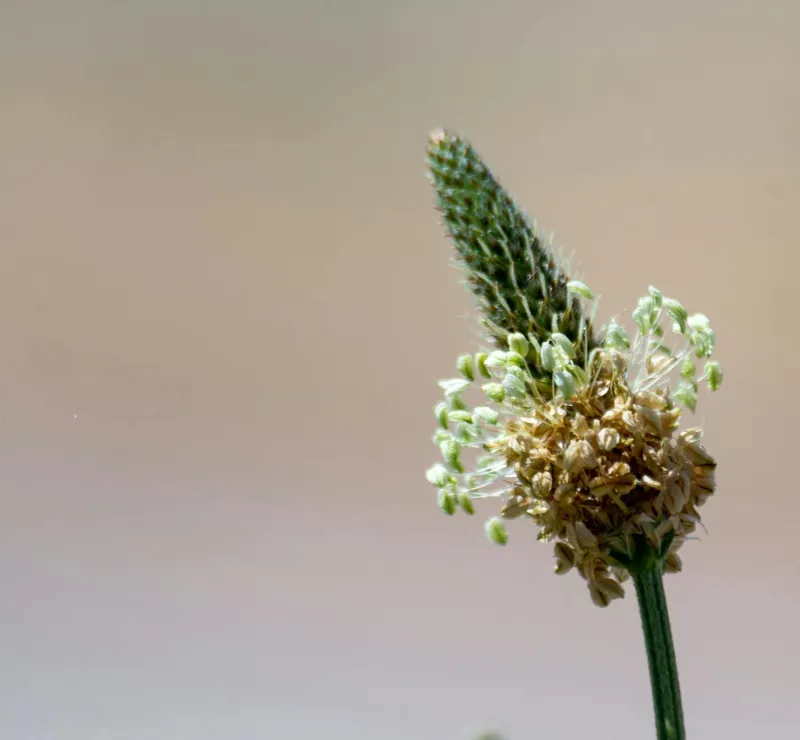
Psyllium Is Different: It Works in the Gut, Not the Blood
Unlike most supplement ingredients, psyllium husk is not primarily designed to be absorbed into the bloodstream. Its main actions — bulking stool, slowing glucose absorption, binding cholesterol-containing bile acids, and feeding beneficial gut bacteria — occur within the gastrointestinal tract. This means that "psyllium absorption" is better understood as "psyllium effectiveness in the gut" rather than plasma bioavailability in the traditional sense.
Understanding how psyllium works mechanically helps you use it correctly, time it sensibly, and avoid the common pitfall of taking it in a way that interferes with other nutrients.
What Limits Psyllium Effectiveness
Psyllium requires adequate water to swell and form its characteristic gel. Without sufficient fluid, the husk can clump and may slow transit rather than improve it, potentially causing discomfort. This is the single most consistent finding across studies: inadequate hydration significantly blunts psyllium's beneficial effects on stool consistency and transit.
Dose also matters. A meta-analysis of randomised controlled trials found that psyllium supplementation was associated with meaningful improvements in stool frequency and consistency, with effects becoming more consistent at higher daily amounts (Dahl et al., 2020).
Cofactors That Help
Adequate water is the primary cofactor. Taking psyllium with at least 240 ml (a full glass) of water is the standard recommendation, and some people benefit from additional fluid intake throughout the day when using psyllium regularly.
Probiotic bacteria can complement psyllium. Psyllium is a fermentable fibre, and while it is less rapidly fermented than inulin or FOS, gut bacteria do partially ferment it to short-chain fatty acids. Taking psyllium alongside a probiotic supplement or probiotic-rich foods may support the microbiome benefits of psyllium.
Form and Timing Effects
Psyllium is available as whole husks, powder and capsules. Powder and whole husks hydrate more quickly and may form a more complete gel in the stomach before reaching the small intestine, which could be advantageous for slowing glucose absorption from a subsequent meal. Capsules dissolve more slowly, though they are more convenient.
For cholesterol management, some research suggests that taking psyllium before or with meals (rather than between meals) maximises its opportunity to bind bile acids that are released during digestion (Anderson et al., 2009). For bowel regularity, timing is more flexible.
Food Pairings
Psyllium can reduce the absorption rate of certain medications and supplements by forming a physical gel barrier. Take prescription medications at least two hours before or after psyllium. The same applies to fat-soluble vitamins (A, D, E, K) and iron: separating these by at least one hour from psyllium is sensible.
Carbohydrate-containing meals are a natural companion: psyllium slows the digestion and absorption of sugars from the same meal, which is associated with a more gradual rise in blood glucose levels (Anderson et al., 2009).
Practical Tips
- Always take psyllium with a full glass of water (at least 240 ml) and increase overall daily fluid intake.
- Take with or before meals if your primary goal is blood-glucose or cholesterol management; take at any time if the goal is bowel regularity.
- Separate psyllium from prescription medications and fat-soluble vitamin supplements by at least two hours.
- Start with a smaller amount and build up gradually to allow your gut to adjust and minimise gas or bloating.
- Be consistent: benefits for bowel regularity and cholesterol tend to become more evident with regular, sustained use rather than sporadic intake.
You can find psyllium products available at maxfit.ee including ICONFIT Superfoods Organic Psyllium Husk Powder 150g and NOW Psyllium Husk 500mg 200 veg caps in the dietary fibre section.
FAQ
How much water do I need to take with psyllium?
At minimum, a full glass (approximately 240 ml) per dose. More water throughout the day helps prevent any risk of gut obstruction and supports optimal gel formation.
Does psyllium reduce absorption of nutrients I need?
Psyllium can slow or modestly reduce absorption of some fat-soluble vitamins and minerals if taken at the same time. Separating psyllium from other supplements and medications by one to two hours is the simplest solution.
How long before I notice the effects of psyllium?
Bowel-regularity effects are typically noticed within a few days of consistent use. Cholesterol-related effects observed in clinical trials generally require several weeks of regular intake (Anderson et al., 2009).
References
Dahl, W. J., Auger, J., & Alyousif, Z. (2020). Psyllium supplementation in a low-fiber diet: Effects on defecation in healthy adults. Journal of Nutrition, 150(3), 649-657.
Anderson, J. W., Baird, P., Davis, R. H., Ferreri, S., Knudtson, M., Koraym, A., Waters, V., & Williams, C. L. (2009). Health benefits of dietary fiber. Nutrition Reviews, 67(4), 188-205. https://pubmed.ncbi.nlm.nih.gov/19335713/



