Probiotics & Digestive Enzymes for Energy & Fatigue: Does It Help?
The idea that gut health connects to energy levels and fatigue is increasingly supported by research. Probiotics and digestive enzymes are two of the most commonly used gut-health interventions, and both have plausible mechanistic links to energy metabolism — though the evidence for their specific effects on fatigue varies considerably by population and product. This guide separates mechanism from marketing claim.
Role in Energy Metabolism
Probiotics — live microorganisms that, when administered in adequate amounts, confer a health benefit — influence energy indirectly through several pathways:
- Nutrient extraction: gut microbiota influence the fermentation of indigestible carbohydrates into short-chain fatty acids (SCFAs), particularly butyrate, propionate, and acetate. These SCFAs contribute to colonocyte energy supply and affect systemic metabolic signalling.
- B-vitamin synthesis: certain gut bacteria produce B vitamins (including B2, B9, B12) that participate in mitochondrial energy pathways. Dysbiosis can reduce this endogenous supply.
- Gut barrier integrity: a leaky gut allows low-grade lipopolysaccharide (LPS) translocation, which activates systemic inflammatory signalling. Chronic low-grade inflammation is associated with fatigue.
Digestive enzymes — proteases, lipases, amylases, and others — support macronutrient breakdown in the small intestine. When digestion is suboptimal (due to low stomach acid, pancreatic insufficiency, or high-fibre meals), significant nutrients can pass through without absorption. Better digestion means more substrate available for cellular energy production.
Evidence in Fatigue
The direct evidence linking probiotic supplementation to reduced fatigue or improved energy in healthy adults without an underlying condition is modest. The more compelling research involves specific populations:
- Post-infection fatigue: a double-blind trial found that a multi-strain probiotic reduced fatigue scores in individuals recovering from infectious gastrointestinal illness (Whorwell et al., 2006 — IBS population).
- Athletic recovery: a systematic review found that probiotic supplementation reduced upper respiratory tract infection incidence in athletes, which indirectly supports training consistency and energy maintenance (Hemila, 2014 adjacent literature on immune-gut axis).
- Iron deficiency anaemia: gut health affects iron absorption; probiotics that improve gut barrier function may enhance iron uptake in iron-deficient individuals — a key driver of fatigue.
For digestive enzymes specifically, direct RCT evidence on energy or fatigue outcomes in otherwise healthy adults is limited. The strongest evidence is in populations with diagnosed enzyme deficiency (exocrine pancreatic insufficiency) or conditions causing malabsorption.
Who Is Likely to Respond
The people most likely to experience meaningful benefit from probiotics and digestive enzymes in the context of fatigue:
- Those with irritable bowel syndrome (IBS) or functional gut symptoms: bloating, discomfort, and irregular transit consume metabolic resources and correlate with fatigue.
- People recovering from antibiotics: post-antibiotic dysbiosis impairs SCFA production and B-vitamin synthesis, both relevant to energy.
- Those with low stomach acid or pancreatic enzyme output: often older adults or people on proton pump inhibitors (PPIs); enzyme supplements have a more direct benefit here.
- Athletes under high training loads: gut permeability increases with intense exercise; SELF Probiotic Lactospore 60 caps (heat-stable spore-forming probiotic) and ICONFIT Boulardii 60caps (Saccharomyces boulardii, well-studied for gut resilience) are available at maxfit.ee for this use case.
- High-fibre supplement users: those using
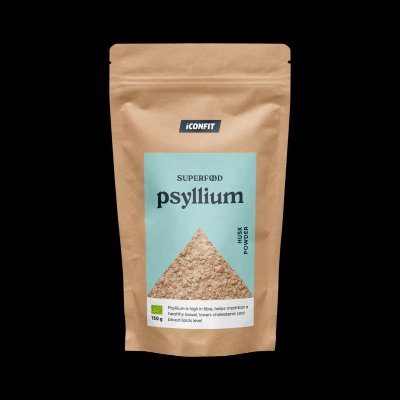 ICONFIT Superfoods Organic Psyllium Husk Powder€8.90 In stock 150g or
 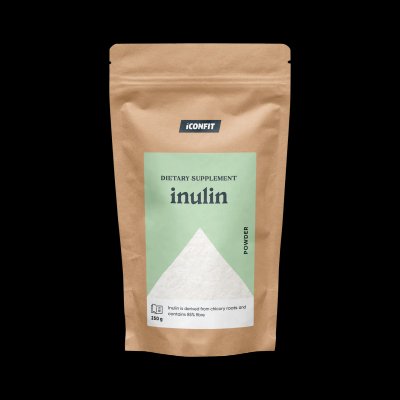 ICONFIT Superfoods Inulin Powder€7.40 In stock 250g as prebiotic fibre may support probiotic efficacy — fibre feeds the bacteria.
Dose and Practical Considerations
For probiotics, dose is measured in CFUs (colony-forming units). Most research showing benefit has used doses in the range of 1 billion to 50 billion CFU per day, with multi-strain products generally outperforming single-strain in gut symptom trials (Ford et al., 2014).
For digestive enzymes, the dose depends on the specific enzyme activity (measured in units like FCC lipase units, HUT for protease, DU for amylase). Products should specify activity, not just milligrams of a blend.
Fibre pairing: prebiotic fibres feed beneficial bacteria. NOW Psyllium Husk 500mg 200 veg caps provides soluble fibre that ferments slowly in the colon, feeding SCFA-producing bacteria. This is a complementary strategy to probiotic use.
Timing: probiotics are generally best taken with a meal or just before, as food buffers the acidic stomach environment. Digestive enzymes should be taken just before or at the start of a meal — they need to be present when food arrives in the small intestine.
Realistic Expectations
For healthy adults without gut symptoms or diagnosed malabsorption, the energy and fatigue benefits of probiotics and digestive enzymes will be modest. They are not a substitute for adequate sleep, exercise, and macronutrient intake.
For those with functional gut issues, post-antibiotic dysbiosis, or documented malabsorption, the response can be meaningfully larger. The gut-brain axis provides a plausible mechanism for why gut improvement translates to reduced mental fatigue and improved mood — areas increasingly supported by the literature (Cryan et al., 2019).
Expect at least 4–8 weeks of consistent probiotic use to judge effect, as microbiome shifts take time. Digestive enzymes, by contrast, can have noticeable effects within the first few days in those with digestive symptoms.
Explore the probiotics and digestive enzyme range at maxfit.ee and fibre supplements.
References
Ford, A. C., Quigley, E. M., Lacy, B. E., et al. (2014). Efficacy of prebiotics, probiotics, and synbiotics in irritable bowel syndrome and chronic idiopathic constipation: systematic review and meta-analysis. American Journal of Gastroenterology, 109(10), 1547-1561. https://pubmed.ncbi.nlm.nih.gov/25070051/
Cryan, J. F., O'Riordan, K. J., Cowan, C. S. M., et al. (2019). The microbiota-gut-brain axis. Physiological Reviews, 99(4), 1877-2013. https://pubmed.ncbi.nlm.nih.gov/31460832/
Whorwell, P. J., Altringer, L., Morel, J., et al. (2006). Efficacy of an encapsulated probiotic Bifidobacterium infantis 35624 in women with irritable bowel syndrome. American Journal of Gastroenterology, 101(7), 1581-1590. https://pubmed.ncbi.nlm.nih.gov/16863564/
FAQ
Can probiotics directly reduce fatigue?
Not directly for most healthy adults without gut issues. The mechanism is indirect: probiotics may improve gut barrier function, nutrient absorption, and reduce low-grade inflammation — all of which can contribute to feeling more energetic. The effect is most pronounced in people with gut dysbiosis, IBS, or recovering from antibiotics.
Do I need digestive enzymes if I have no diagnosed condition?
Most healthy adults with adequate stomach acid and normal pancreatic function do not need digestive enzyme supplements. However, those who regularly experience bloating, gas, or discomfort after high-protein or high-fat meals may find that enzyme supplements reduce these symptoms, potentially improving nutrient extraction and reducing the post-meal fatigue sometimes associated with poor digestion.
How long should I take probiotics before expecting any change?
Microbiome composition shifts take time. For gut symptom relief, some studies show effects within 2–4 weeks. For broader outcomes like energy or immune function, consistent use for at least 4–8 weeks provides a more meaningful trial period. If no benefit is apparent after 8–12 weeks, reassess the specific strain and dose.



