Nordic Winter and Sleep: How Supplements Can Help
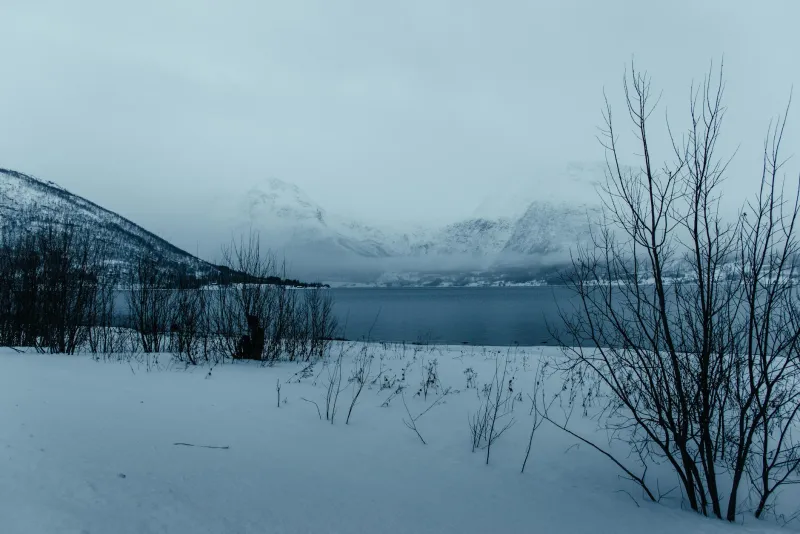
In Estonia, at the 59th latitude, winter is long, dark, and mentally demanding. In December, daylight lasts only about 6 hours — and even then, the sky is often overcast. This directly affects our sleep, mood, and energy levels. How can supplements help cope with these natural conditions?
The Impact of Light Deprivation on Sleep
Partonen and Lonnqvist (1998) thoroughly studied the effects of light deprivation on sleep and mood in Nordic countries. Their key findings remain relevant:
- Light deprivation disrupts the circadian rhythm's normal functioning
- The body does not receive a clear signal of when it is day and when it is night
- Melatonin production becomes irregular — the body may produce melatonin during the day
- The result is excessive daytime sleepiness and insufficient nighttime sleep
- Mood, appetite, and energy levels are also affected
This is a biological reality, not just a psychological feeling — our bodies are programmed to respond to light and darkness.
Why Estonian Winter Is Uniquely Challenging
Estonian winter has several characteristics that make it particularly difficult for sleep quality:
- Short days: In December, the sun rises around 9:15 and sets around 15:20
- Cloud cover: Baltic winters often feature overcast skies, reducing even available light
- Temperature: Cold weather limits time spent outdoors, further reducing light exposure
- Indoor living: Most people spend workdays indoors, where light intensity is 10–50x lower than outside
Melatonin: Restoring the Circadian Rhythm
When the circadian rhythm is disrupted, melatonin can help restore a clear day-night signal:
- Dose: 0.5–1mg (per EFSA-approved claim)
- Timing: 30–60 minutes before desired bedtime
- Goal: Not so much to induce sleep as to signal the body that it is nighttime
Melatonin is especially useful if you feel your sleep-wake cycle has shifted — for example, you cannot fall asleep before midnight.
EFSA confirms: "Melatonin contributes to the reduction of time taken to fall asleep" (1mg).
Magnesium: Winter Relaxation
Winter stress — darkness, cold, less movement — increases magnesium needs:
- Magnesium supports normal nervous system function (EFSA-approved)
- Helps relieve muscle tension, which is more common in winter
- Supports normal psychological function (EFSA-approved)
Magnesium + melatonin is one of the most popular winter supplement combinations in Northern Europe. Magnesium relaxes the body and mind, melatonin helps maintain the circadian rhythm.
Recommended form: magnesium glycinate (best bioavailability and relaxing effect). Dose: 200–400mg elemental magnesium in the evening.
Vitamin D: The Sunshine Substitute
Vitamin D deficiency is nearly universal in Estonian winter. Gao et al. (2018) found an association between vitamin D deficiency and poor sleep quality:
- Vitamin D receptors have been found in brain regions that regulate sleep
- Low vitamin D levels are associated with shorter sleep duration and poorer sleep quality
- In Estonia during winter, getting sufficient vitamin D from sunlight is practically impossible
EFSA confirms: "Vitamin D contributes to the normal function of the immune system."
Adding vitamin D supplementation in winter in Estonia is practically essential, not merely recommended.
Light Therapy: The First Line of Defence
Before turning to supplements, it is important to mention light therapy, the most scientifically studied approach to winter sleep quality decline:
- A 10,000 lux light therapy lamp for 20–30 minutes in the morning
- Gives the brain a clear "daytime" signal
- Helps suppress daytime melatonin production
- Boosts mood and energy levels
Light therapy and supplements complement each other — light therapy regulates the daytime side, melatonin the nighttime side.
A Practical Winter Sleep Plan
A health-supporting winter strategy:
Morning:
- Wake at the same time every day (weekends too)
- Use a light therapy lamp for 20–30 minutes during breakfast
- Vitamin D in the morning (not evening — some reports suggest it may disturb sleep)
Daytime: 4. When the sun shines — go outside for at least 15 minutes 5. Regular exercise (not too late in the evening)
Evening: 6. Reduce blue light exposure from screens 2 hours before bed 7. Magnesium (200–400mg glycinate) 1–2 hours before bed 8. Melatonin (0.5–1mg) 30–60 minutes before bed
Environment: 9. Bedroom: dark, cool (18–20 degrees C), quiet 10. Morning: bright light immediately after waking
Emotional Impact and Sleep Quality
Winter darkness does not affect sleep alone — it impacts overall emotional well-being:
- Seasonal mood decline affects up to 20% of Nordic populations
- Poor sleep deepens mood decline and vice versa — a vicious cycle forms
- Improving sleep quality is often the first step that breaks this cycle
If you feel that winter darkness significantly affects your daily functioning, consult a healthcare professional.
Summary
Estonian winter (6 hours of daylight in December) disrupts the circadian rhythm and melatonin production (Partonen and Lonnqvist 1998). Melatonin (0.5–1mg) helps restore the sleep-wake signal. Magnesium supports normal nervous system function and relaxation (EFSA-approved). Vitamin D deficiency is linked to poorer sleep quality (Gao et al. 2018). Melatonin + magnesium is the most popular winter combination in Northern Europe. Light therapy complements supplementation.
References
- Partonen, T. & Lonnqvist, J. (1998). Seasonal affective disorder. The Lancet, 352(9137), 1369–1374.
- Gao, Q. et al. (2018). The association between vitamin D deficiency and sleep disorders: a systematic review and meta-analysis. Nutrients, 10(10), 1395.
- EFSA Panel on Dietetic Products, Nutrition and Allergies (2010). Scientific Opinion on the substantiation of health claims related to melatonin. EFSA Journal, 8(2), 1467.
- Peuhkuri, K. et al. (2012). Dietary factors and fluctuating levels of melatonin. Food & Nutrition Research, 56, 17252.
Dietary supplements are not a substitute for a varied, balanced diet and healthy lifestyle.