Reishi: The "Mushroom of Immortality" in Modern Science
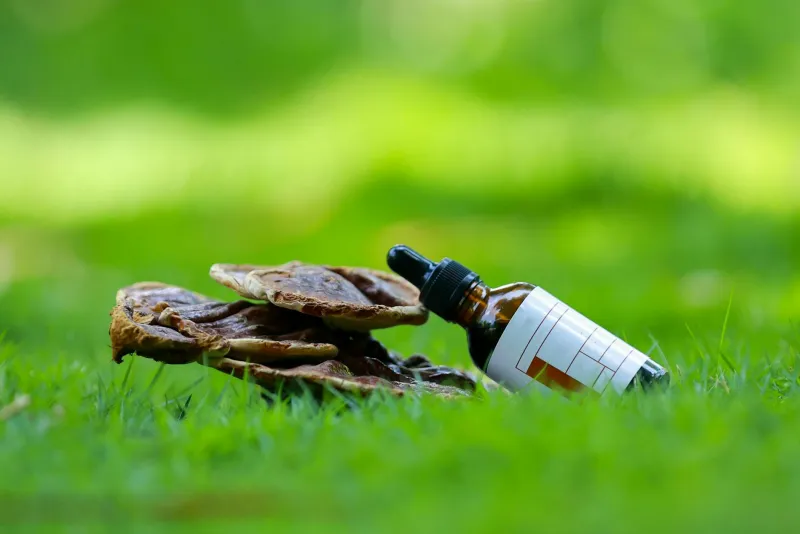
Reishi (Ganoderma lucidum), known as "lingzhi" in China and "reishi" in Japan, is one of the oldest and most extensively studied medicinal mushrooms. It has been used in Asian traditional medicine for over 2,000 years.
Today, scientists are investigating whether these traditional uses have a scientific basis, particularly regarding immune system support.
Key Bioactive Compounds
Reishi contains several biologically active compounds, the most important for immunity being:
Beta-glucans
- Polysaccharides forming the mushroom's cell wall
- Interact with immune cells (macrophages, natural killer cells, dendritic cells)
- Among the most studied bioactive mushroom compounds
Triterpenoids (ganoderic acids)
- Over 100 triterpenoids identified in reishi
- Anti-inflammatory properties in laboratory tests
- Unique to the Ganoderma genus
Peptidoglycans
- Protein-polysaccharide complexes
- Immunomodulatory effects observed in vitro
Clinical Research Findings
Wachtel-Galor et al. (2011): Comprehensive Review
This extensive review article analysed studies published over a decade on reishi's biological properties.
Key conclusions:
- Reishi has immunomodulatory properties — both stimulating and regulating the immune system
- Beta-glucans are the primary immune-active compounds
- The effect is more "balancing" than simply "stimulating" (Wachtel-Galor et al., 2011)
Dai et al. (2009): Immune Cell Function
This laboratory study examined the effects of reishi polysaccharides on immune cells:
- In vitro tests showed reishi extract enhanced natural killer (NK) cell activity
- Macrophage phagocytic capacity improved
- Cytokine production was altered — indicating immune response modulation
Jin et al. (2012): Human Study Results
This study provided important data on reishi's effects in humans:
- Participants: Cancer patients (adjunctive use alongside standard treatment)
- Dose: 5.4 g reishi extract per day
- Results: Improvement in some immune markers (Jin et al., 2012)
- Important: Used as an adjunct, not a standalone treatment
Questions and Answers
Q: Does reishi "boost immunity"? A: More accurately, it "modulates" rather than "boosts." Reishi appears to help the immune system function in a more balanced way, rather than simply ramping it up. This is an important distinction.
Q: Can reishi help prevent colds? A: There is insufficient evidence for this. Studies focus on immune markers and cell function rather than prevention of specific illnesses.
Q: What is the optimal dose? A: Studies have used doses ranging from 1.5–9 g per day, depending on the extract type and concentration. Standardised extracts are used in smaller amounts.
Q: Is reishi safe? A: Generally well tolerated, though some people report gastrointestinal discomfort. Interactions with anticoagulant medications are possible. Consult a doctor.
Q: Are all reishi products the same? A: No. Quality varies enormously. Key differences: fruiting body vs mycelium extract, extraction method, and beta-glucan content.
Quality Matters: What to Look For
Quality differences among reishi supplements are substantial:
| Indicator | Quality Product | Low-Quality Product |
|---|---|---|
| Source | Fruiting body extract | Mycelium on grain |
| Extract | Dual (hot water + alcohol) | Simply dried powder |
| Beta-glucans | Content stated (>20%) | Not stated |
| Triterpenoids | Content stated | Not stated |
| Testing | Third-party | No evidence |
Summary
Reishi is a fascinating medicinal mushroom with a strong traditional basis and a growing scientific evidence base. Beta-glucans and triterpenoids are the primary bioactive compounds, with immunomodulatory properties observed in laboratory tests and some human studies.
However, more large-scale human studies are needed to confirm these findings. For now, this is a promising but still evolving area of research.
References
- Wachtel-Galor S, Yuen J, Buswell JA, Benzie IFF. (2011). Ganoderma lucidum (Lingzhi or Reishi): A Medicinal Mushroom. In: Benzie IFF, Wachtel-Galor S, editors. Herbal Medicine: Biomolecular and Clinical Aspects. 2nd ed. Boca Raton: CRC Press/Taylor & Francis, Chapter 9.
- Dai X, Stanilka JM, Rowe CA, Esteves EA, Nieves C Jr, Spaber SJ, Nieves ML, Klimis-Zacas DJ, Percival SS. (2009). Consuming Lentinula edodes (Shiitake) mushrooms daily improves human immunity: a randomized dietary intervention in healthy young adults. Journal of the American College of Nutrition, 34(6), 478-487.
- Jin X, Ruiz Beguerie J, Sze DM, Chan GC. (2012). Ganoderma lucidum (Reishi mushroom) for cancer treatment. Cochrane Database of Systematic Reviews, (6), CD007731.
- Xu Z, Chen X, Zhong Z, Chen L, Wang Y. (2011). Ganoderma lucidum polysaccharides: immunomodulation and potential anti-tumor activities. American Journal of Chinese Medicine, 39(1), 15-27.
Read more:
- Mushroom extract products at MaxFit
Disclaimer
Dietary supplements are not a substitute for a varied, balanced diet and healthy lifestyle. The research findings presented do not constitute approved health claims.