Muscle Loss Is a Bigger Problem Than You Think
Sarcopenia — the age-related loss of muscle mass and function — affects millions of people worldwide. This is not only a concern for athletes or gym-goers. Muscle loss impacts daily functioning, fall risk, metabolism, and even cognitive function.
The good news? With the right protein strategy, the progression of sarcopenia can be significantly slowed.
When Does Muscle Loss Begin?
Muscle loss is a normal part of the aging process, but its pace surprises many:
- Around age 30: Muscle loss begins, but remains minimal
- Ages 40–50: ~1–2% muscle mass loss per year
- Age 60+: Accelerates to 3–8% per decade
- Age 70+: Strength loss is even faster than mass loss (3x faster)
This means a 70-year-old may have lost 25–40% of their youthful muscle mass without active countermeasures.
ESPEN Recommendations: More Protein for Older Adults
Bauer et al. (2013) published key recommendations on behalf of the European Society for Clinical Nutrition and Metabolism (ESPEN):
| Health Status | Protein Recommendation |
|---|---|
| Healthy older adults | 1.0–1.2 g/kg per day |
| With chronic disease | 1.2–1.5 g/kg per day |
| Severe illness / injury | Up to 2.0 g/kg per day |
| Severe kidney disease | Individual assessment |
These recommendations are significantly higher than the general population guideline of 0.8 g/kg. The reason is straightforward: the aging body needs more raw material to use protein effectively.
Anabolic Resistance: Why the Aging Body Needs More
Anabolic resistance is the central concept explaining why older people need more protein:
In younger adults:
- 20 g of whey protein triggers a robust muscle protein synthesis (MPS) response
- Leucine threshold for triggering MPS: ~1.5 g
In older adults:
- The same 20 g of whey produces a weaker MPS response
- Leucine threshold for triggering MPS rises to: ~2.5 g
- The body responds less sensitively to protein's anabolic signal
This means older adults must consume more protein at each meal to achieve the same level of muscle protein synthesis that younger adults achieve with a smaller dose.
Practical Solution: Leucine-Rich Protein
Because the leucine threshold is higher, leucine-rich protein sources are particularly important:
| Source | Leucine (per serving) |
|---|---|
| Whey protein isolate (30 g) | ~3.5 g |
| Whey protein concentrate (30 g) | ~3.0 g |
| Casein (30 g) | ~2.5 g |
| Egg whites (4 eggs) | ~2.0 g |
| Chicken breast (150 g) | ~2.8 g |
| Pea protein (30 g) | ~2.0 g |
Whey protein isolate is preferred for its leucine content, as it exceeds the higher leucine threshold in older adults even at moderate doses.
The Importance of Protein Combined With Exercise
Protein alone is not sufficient. Research emphasizes the importance of combining resistance training with protein:
- Resistance training stimulates muscle to be more receptive to protein's anabolic signal
- Protein provides the raw material for building muscle
- The combination is more effective than either alone
Even light resistance training (resistance bands, bodyweight exercises, light weights) combined with adequate protein can produce significant results in preserving muscle mass in older adults.
Practical Recommendations for Older Adults
Daily Protein Strategy (example for a 70 kg person):
| Meal | Protein | Example |
|---|---|---|
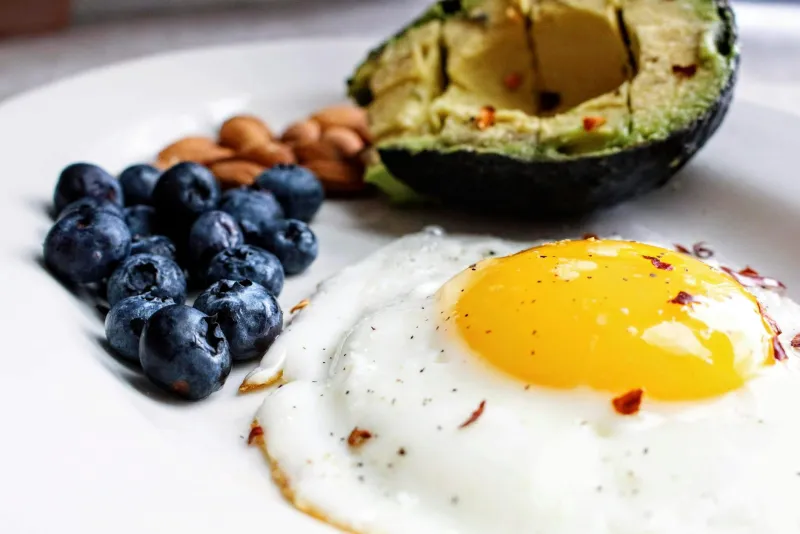
| Breakfast | 25–30 g | 2 eggs + cottage cheese + bread |
| Lunch | 30–35 g | Fish/chicken + potatoes + salad |
| Snack | 20–25 g | Protein shake |
| Dinner | 25–30 g | Meat + rice + vegetables |
| Total | 100–120 g | ~1.4–1.7 g/kg |
Key Recommendations:
- Distribute protein evenly: At least 25–30 g per meal
- Choose leucine-rich sources: Whey protein, eggs, meat, fish
- Do not skip breakfast: MPS drops overnight — morning protein is critically important
- Consider a protein supplement: Especially if appetite is reduced
- Combine with resistance training: Even light resistance exercise counts
Estonian Context
Estonia's aging population faces the same challenges as the rest of Europe. The proportion of healthy older adults consuming adequate protein is estimated to be below 50%. This points to a significant need for increased awareness about the role of protein in maintaining muscle mass with age.
The protein powder selection and dairy proteins at MaxFit.ee offer convenient solutions for increasing protein intake — especially for those whose appetite has decreased with age.
Key Takeaways
- Muscle loss begins around age 30 and accelerates after 60 (3–8% per decade)
- ESPEN recommends: 1.0–1.2 g/kg for healthy older adults, up to 1.5 g/kg with chronic disease
- Anabolic resistance: Older muscles need more protein (leucine threshold ~2.5 g vs ~1.5 g)
- Leucine-rich sources: Whey protein isolate, meat, eggs
- Combination is key: Protein + resistance training delivers the best results
- Breakfast is critical: MPS drops overnight — the first meal should be protein-rich
Dietary supplements are not a substitute for a varied, balanced diet and healthy lifestyle.
References:
- Bauer et al., 2013. Evidence-based recommendations for optimal dietary protein intake in older people: a position paper from the PROT-AGE Study Group (ESPEN).
- Cruz-Jentoft et al., 2019. Sarcopenia: revised European consensus on definition and diagnosis.
- Wall et al., 2015. Dietary protein considerations to support active aging.
- Devries et al., 2018. Leucine, not total protein, content of a supplement is the primary determinant of muscle protein anabolic responses in healthy older women.
Browse our protein powder selection →
Read more: Updated Protein Intake Guidelines → | Casein Before Bed →