Protein Shake From Your Pocket — The New Normal
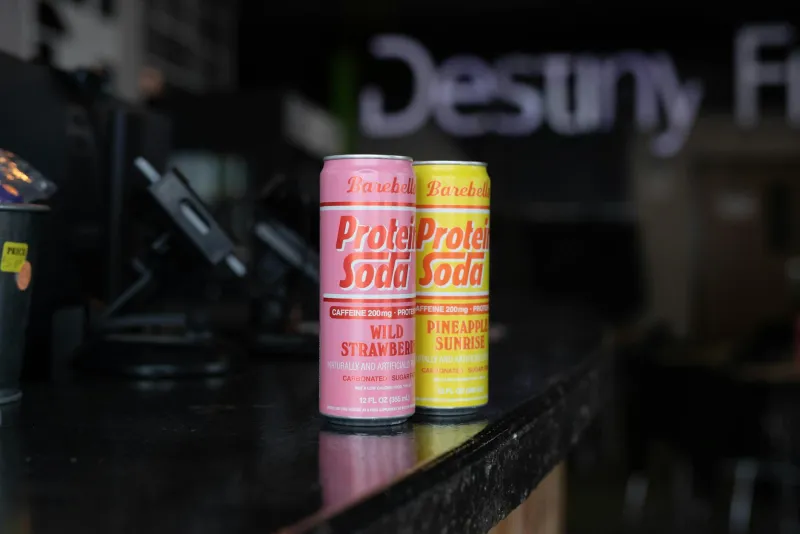
The days when a protein shake meant a mandatory blender session and a scoop of powder are fading. Ready-to-drink (RTD) protein beverages have made protein consumption as convenient as opening a water bottle.
And the numbers speak for themselves: RTD protein is the fastest-growing format in the European Union's sports nutrition market.
Why Is RTD Protein Growing So Fast?
Several converging factors drive the growth:
1. Convenience Is King
The modern consumer values time. RTD protein solves multiple problems at once:
- No preparation needed — open and drink
- Portable — fits in a bag, shelf-stable at room temperature
- Pre-dosed — you know exactly how many grams of protein you get
- No mess — no powder, no blender, no cleanup
2. Expanding Target Audience
RTD protein is no longer just for bodybuilders. New consumer groups include:
- Office workers: Quick lunch replacement
- Gym-goers: Convenient post-workout option
- Morning rushers: Breakfast replacement
- Active parents: Protein on the move
- Health-conscious consumers: Better choice than soft drinks
3. Improved Taste and Texture
Early RTD protein products often suffered from poor taste and chalky texture. By 2025, the situation has fundamentally changed:
- Coffee flavors: Even coffee lovers are satisfied
- Fruit flavors: Mango, strawberry, blueberry
- Chocolate flavors: Closer to real chocolate
- Lighter versions: Clear protein waters
Nutritional Profile: What to Expect
A typical RTD protein drink offers:
| Nutrient | Typical Range |
|---|---|
| Protein | 25–40 g |
| Calories | 150–250 kcal |
| Carbohydrates | 3–15 g |
| Fat | 0–5 g |
| Sugar | 0–5 g |
| Volume | 330–500 ml |
Protein Sources in RTD Products:
Dairy-based (most common):
- Whey protein isolate: Fast absorption, neutral taste
- Milk protein: Whey and casein blend, slower absorption
- Casein: For thicker, creamier products
Plant-based (growing segment):
- Pea protein isolate: Allergen-free, but taste profile is a challenge
- Soy: Complete amino acid profile
- Blends: Pea + rice + pumpkin
UHT Processing: How It Works
The long shelf life of RTD protein drinks (often 6–12 months at room temperature) relies on UHT (Ultra-High Temperature) processing:
- Heating: 135–150 degrees C for 2–5 seconds
- Rapid cooling: Below 30 degrees C
- Aseptic packaging: Sterile filling
Does UHT damage protein? This is a common concern. Research shows:
- Amino acid profile remains largely unchanged
- Bioavailability may decrease slightly (~5–10%)
- Practical impact is minimal — you still get quality protein
Estonian Market Overview
Retail Chain Expansion
Estonia's major retail chains have recognized RTD protein's potential:
- Rimi: Expanded sports nutrition sections, RTD protein available
- Selver: Healthy beverage selection growing
- Coop: Gradually adding to the category
- Prisma: Rapid expansion driven by Finnish parent company
Following the Nordic Trend Line
Estonia's sports nutrition market traditionally follows Nordic trends with a 1–2 year delay:
- Finland and Sweden: RTD protein is already mainstream — available at gas stations, offices, vending machines
- Estonia: Moving in the same direction but with smaller market volume
- Forecast: The RTD format will grow significantly in Estonia over the next 2–3 years
Price Levels in Estonia
RTD protein drink prices in Estonia:
| Segment | Price (330–500 ml) | Protein |
|---|---|---|
| Budget | EUR 2.00–2.50 | 20–25 g |
| Mid-range | EUR 2.50–3.50 | 25–35 g |
| Premium | EUR 3.50–5.00 | 30–40 g |
For comparison, a shake made from protein powder costs approximately EUR 0.80–1.50 per serving. The RTD convenience premium is clear, but a growing consumer base considers it worthwhile.
RTD vs Protein Powder: When to Choose Which?
| Situation | Better Choice |
|---|---|
| At home/office with a blender | Powder |
| On the go, traveling | RTD |
| Budget priority | Powder |
| Convenience priority | RTD |
| High daily intake (>3 shakes) | Powder |
| Snack/one shake per day | RTD |
Both are effective protein sources. The choice depends on lifestyle and priorities.
What to Watch For
When buying RTD protein, check:
- Protein amount: At least 20 g per serving
- Sugar content: Under 5 g is ideal
- Protein source: Whey isolate or milk protein preferred
- Additives: Fewer is better
- Storage conditions: UHT products are shelf-stable at room temperature
Key Takeaways
- Fastest-growing format: RTD protein leads EU sports nutrition growth
- 25–40 g protein: A typical RTD bottle covers one meal's protein needs
- Convenience drives adoption: Gym-goers, office workers, busy people
- Estonia follows Nordic trends: Rimi and Selver expanding selection
- Price vs convenience: ~2–3x more expensive than powder, but convenience compensates
- Quality is solid: UHT processing preserves protein bioavailability
Dietary supplements are not a substitute for a varied, balanced diet and healthy lifestyle.
References:
- Euromonitor International, 2024. Ready-to-Drink Protein in Europe: Market Report.
- Mordor Intelligence, 2024. Europe Sports Nutrition Market — Growth, Trends, and Forecasts.
- Considine et al., 2020. Effects of UHT processing on milk protein quality: a review.
Browse our protein powder selection →
Also see dairy proteins →
Read more: Whey Isolate vs Concentrate → | Updated Protein Intake Guidelines →