


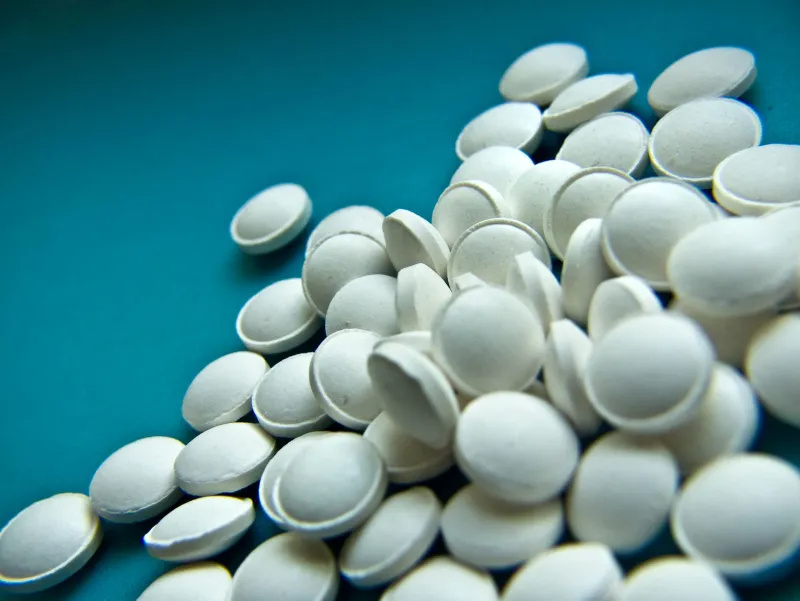
Melatonin 3mg vs 5mg: Research on Optimal Dosing
Melatonin is available in widely varying doses — from 0.5mg up to 10mg. But does a higher dose mean a better result? Science gives a surprising answer: not necessarily. This article dives into the science of melatonin dosing to help you make an informed choice.
Ferracioli-Oda et al. 2013: The Largest Meta-Analysis
Ferracioli-Oda et al. (2013) published one of the most comprehensive meta-analyses on melatonin, encompassing 19 studies and 1,683 participants. It is likely the most cited study on melatonin effectiveness.
Key findings:
- Melatonin reduced sleep onset latency by an average of 7 minutes
- Melatonin increased total sleep time by an average of 8 minutes
- Melatonin improved subjective sleep quality
- Higher doses did not yield proportionally better results
This last point is critically important: 5mg did not produce double the result compared to 2.5mg. The dose-response relationship was not linear.
"Only 7 Minutes?" — Understanding Context
Many people react to the numbers 7 and 8 minutes with disappointment. But context matters:
- These are averages across a very diverse participant group — some experienced much greater benefits
- People with more serious sleep onset difficulties gained more benefit
- Subjective sleep quality improvement was often greater than the objective numerical change
- Melatonin works as a signal, not a sedative — its effect is subtler in nature
Dose-Response Relationship
Research data on dosing:
0.5–1mg (physiological dose)
- Raises blood melatonin to normal nighttime levels
- Effective for accelerating sleep onset
- Minimal side effects
- EFSA-approved claim: "Melatonin contributes to the reduction of time taken to fall asleep" (1mg)
3mg
- The most common dose in commercial products
- Supraphysiological — far higher than the body's natural nighttime level
- Effective, but not necessarily better than 1mg for sleep onset
- Greater risk of morning grogginess
- May be appropriate for jet lag
5mg
- Often found in US products
- Does not provide proportional added value compared to 3mg (Ferracioli-Oda et al. 2013)
- Higher risk of side effects
- May cause melatonin receptor desensitisation with long-term use
10mg and above
- Not scientifically justified for most consumers
- High risk of morning residual drowsiness
- May disrupt normal circadian rhythm
Jet Lag: The Exception to the Rule
Jet lag is one area where higher doses may be justified:
- Shifting the circadian clock requires a stronger signal
- 3–5mg may be more effective than 0.5mg when crossing time zones
- The more time zones crossed, the stronger signal may be needed
- EFSA-approved claim: "Melatonin contributes to the alleviation of subjective feelings of jet lag" (0.5mg)
Even for jet lag, there is usually no reason to exceed 5mg.
Individual Variability
Melatonin response is highly individual:
Influencing factors:
- Age: Older adults have lower natural melatonin production — they may need smaller doses as sensitivity is greater
- Body weight: Current evidence does not support weight-based dosing
- Genetics: CYP1A2 enzyme variants affect melatonin metabolism speed
- Caffeine: Afternoon caffeine consumption may reduce melatonin effectiveness
- Light exposure: Evening screen time reduces melatonin's effect
The "Start Low, Go Slow" Strategy
An evidence-based approach to dosing:
Week 1: Start with 0.5mg
- Take 30–60 minutes before desired bedtime
- Monitor: does sleep onset improve? Is there morning grogginess?
Week 2: If 0.5mg does not deliver results, increase to 1mg
- For many people, this is a sufficient dose
- In line with the EFSA-approved claim
Week 3: If needed, increase to 2mg
- This is the upper supplement limit in most EU countries
Rarely needed: 3mg
- Only if lower doses did not deliver results
- Consider whether the issue is dosing or something else (e.g., timing, light exposure)
Timing Is as Important as Dose
Melatonin effectiveness depends heavily on timing:
- Optimal: 30–60 minutes before desired bedtime
- Too early (3+ hours before): may shift the circadian rhythm but not help you fall asleep that night
- Too late (already in bed): the effect may carry into the next day, causing morning drowsiness
- Middle of the night: Not recommended — morning grogginess very likely
Prolonged-Release vs Immediate-Release
Beyond dose, the release speed matters:
Immediate-release:
- Rapid concentration peak in the blood
- Best for sleep onset difficulties
- Effect lasts 4–5 hours
Prolonged-release:
- Gradual release over 8–10 hours
- Best for nighttime awakening problems
- Mimics the natural melatonin release pattern
Your choice depends on your specific problem: difficulty falling asleep or nighttime awakening.
The Estonian Market
Estonian sports-nutrition retailers carry products across this dosing range. For shoppers who prefer the EFSA-backed lower dose, 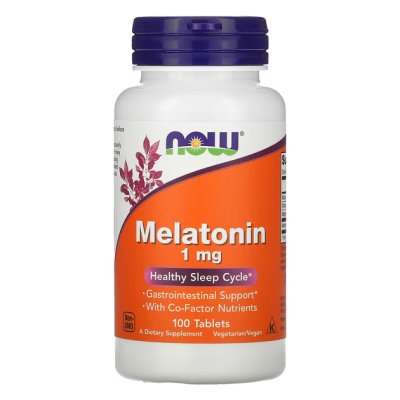 NOW Melatonin 1mg Complex€12.50 In stock 100tabs (11.90 EUR at the time of writing) fits the 1mg claim discussed above. The more common 3mg strength, such as
 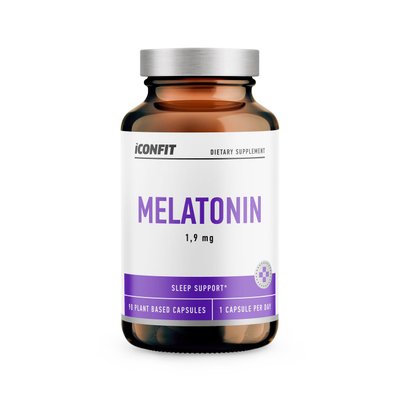 ICONFIT Capsules Melatonin N90€8.30 In stock (7.90 EUR), suits jet lag or cases where a lower dose has not worked. For a combination sleep formula, BIOTECHUSA Night 60 caps (19.90 EUR) pairs melatonin with other ingredients, while OstroVit Keep Sleep Melatonin 60tabs (4.90 EUR) is a budget-friendly option. A wider range of sleep and relaxation products, along with vitamin complexes, is available in the MaxFit.ee catalogue.
Summary
The Ferracioli-Oda et al. (2013) meta-analysis showed melatonin reduces sleep onset latency by approximately 7 minutes and increases total sleep by approximately 8 minutes. Higher doses do not yield proportionally better results. Optimal strategy: start at 0.5–1mg and increase as needed. 3–5mg may be justified for jet lag. Timing (30–60 minutes before bed) is as important as dose. Individual response varies — listen to your body.
Dietary supplements are not a substitute for a varied, balanced diet and healthy lifestyle.
References
- Ferracioli-Oda, E., Qawasmi, A. & Bloch, M.H. (2013). Meta-analysis: melatonin for the treatment of primary sleep disorders. PLoS ONE, 8(5), e63773. PMID: 23691095
- Auld, F., Maschauer, E.L., Morrison, I., Skene, D.J. & Riha, R.L. (2017). Evidence for the efficacy of melatonin in the treatment of primary adult sleep disorders. Sleep Medicine Reviews, 34, 10-22. PMID: 28648359
- Vural, E.M., van Munster, B.C. & de Rooij, S.E. (2014). Optimal dosages for melatonin supplementation therapy in older adults: a systematic review of current literature. Drugs & Aging, 31(6), 441-451. PMID: 24802882 Browse our melatonin selection at MaxFit.ee →
Read more: Melatonin in the EU: What Consumers Need to Know → | Melatonin Dosage: How Much and When to Take It → | Sleep Aids: From Melatonin to Magnesium →


