Creatine for the Brain: New 2026 Evidence on Cognition and Mood
Creatine monohydrate has been the most-researched ergogenic aid in sport for three decades, but the last two years have shifted the conversation. A wave of well-designed trials and two large meta-analyses published in late 2025 and early 2026 confirm what smaller studies had been hinting at: creatine acts on the brain as well as the muscle, and the cognitive effects are clinically meaningful in specific contexts.
What changed in the evidence
Shop this category — in stock now
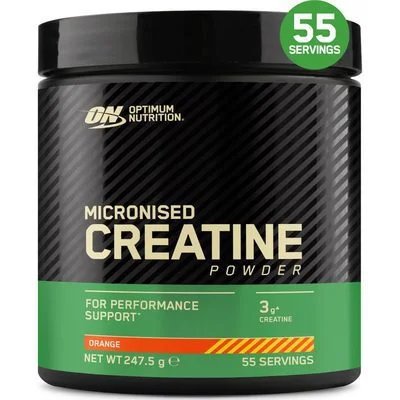
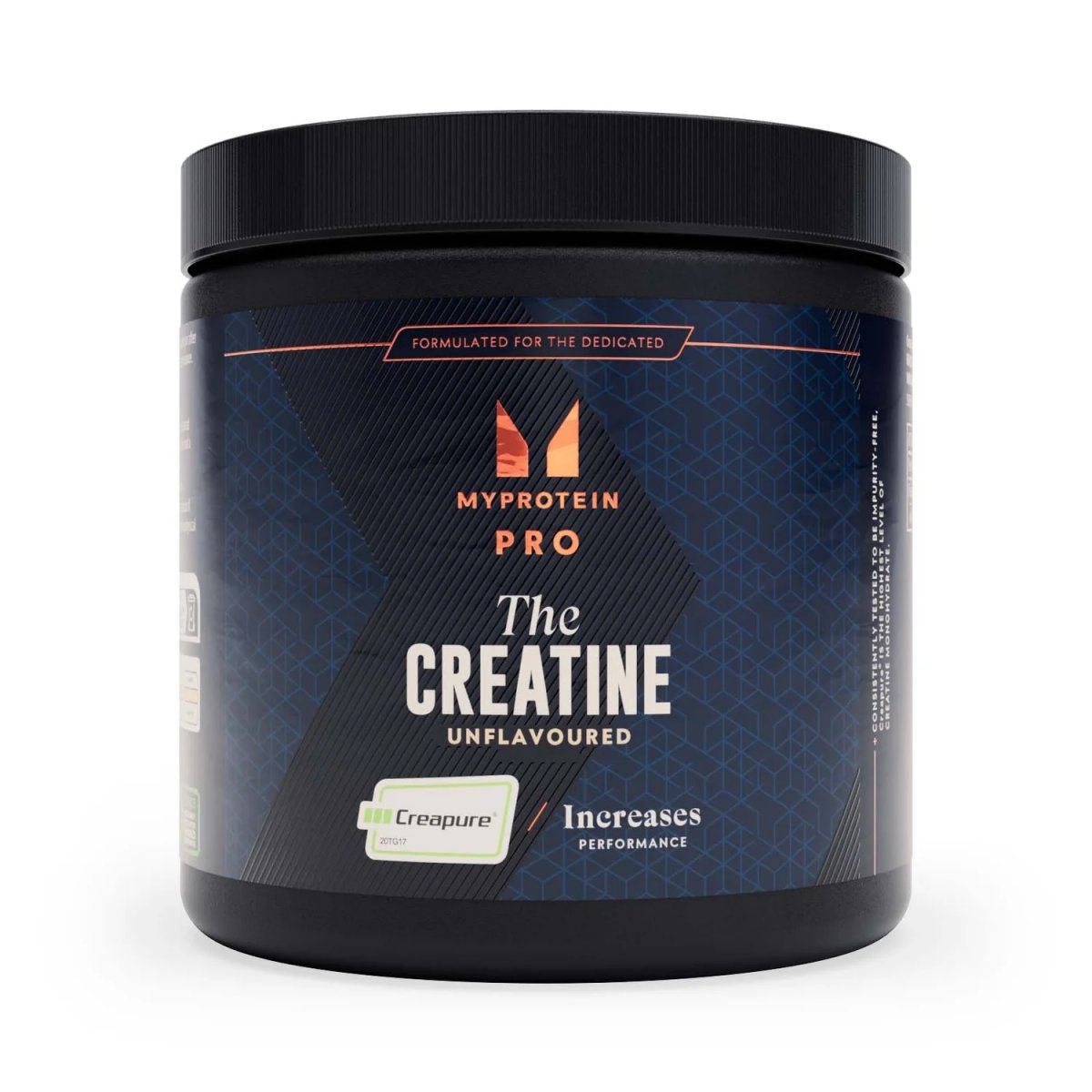
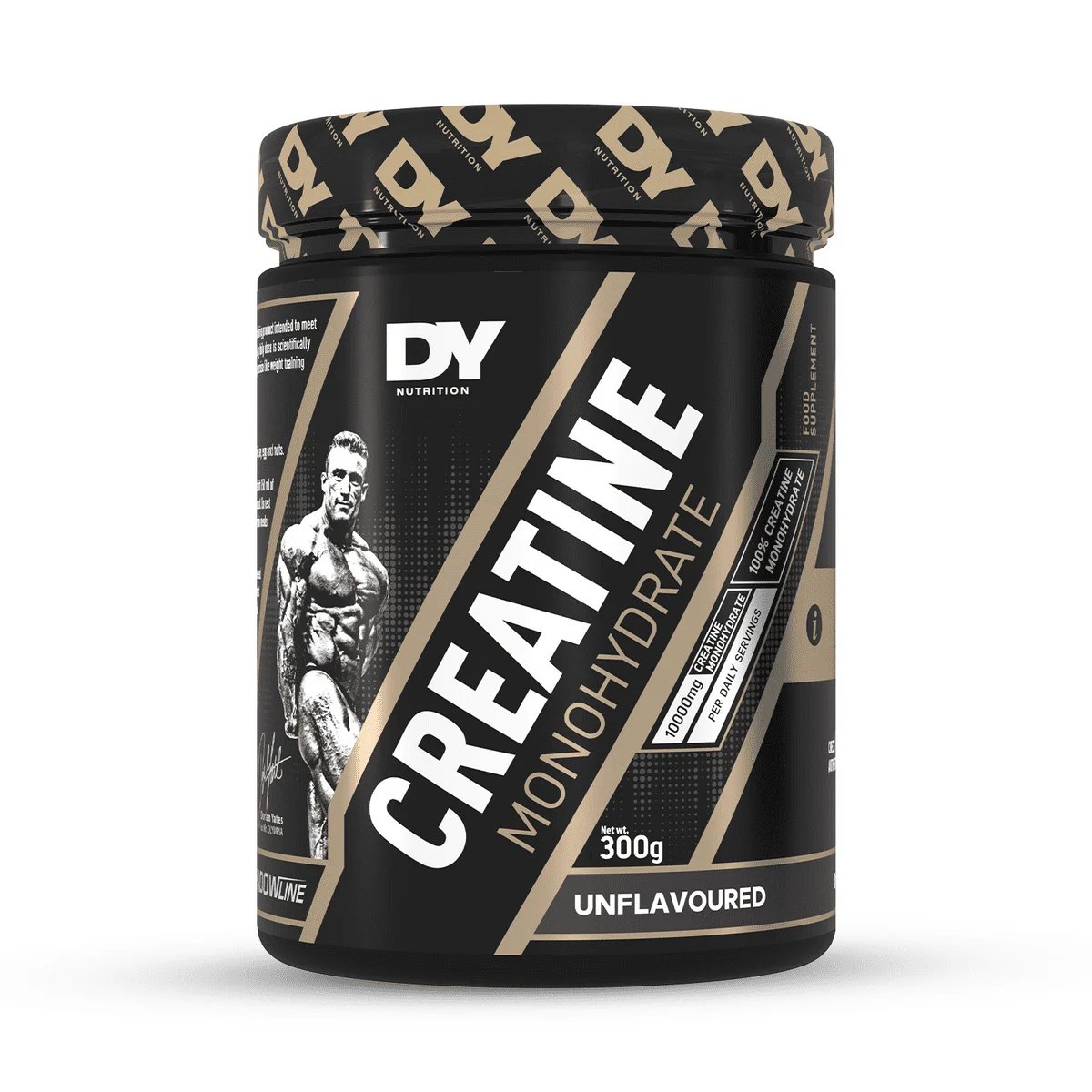


The 2026 update by Sandkühler and colleagues pooled 23 randomised trials covering 1,124 participants and reported a small-to-moderate positive effect of creatine supplementation on short-term memory tasks (standardised mean difference 0.31, 95% CI 0.18–0.44) and a larger effect on reasoning under sleep deprivation (SMD 0.62). A separate 2025 systematic review by Forbes and colleagues focused on older adults and found consistent improvements in processing speed and verbal recall when creatine was combined with resistance training.
The proposed mechanism is straightforward. The brain is a significant consumer of energy at rest, and neurons may employ phosphocreatine recycling as a mechanism to meet rapid ATP demands during neural activity. Supplementation raises brain creatine stores by 5–10% on MR spectroscopy, with the largest gains in people who are vegetarian, sleep-deprived or stressed (Roschel et al., 2021).
Dosing for cognitive endpoints
Muscle-focused protocols may employ different dosing approaches, with some utilizing continuous daily intake and others using loading phases. Brain tissue equilibrates more slowly. Trials that measured cerebral creatine show that 5 g/day for 4 weeks raises levels modestly, while 10 g/day for 4–8 weeks gives a clearer signal (Dolan et al., 2019). Creatine supplementation may be explored for cognitive support during demanding periods such as exam preparation, night shift work, or travel across time zones, though optimal dosing varies based on individual factors and use case.
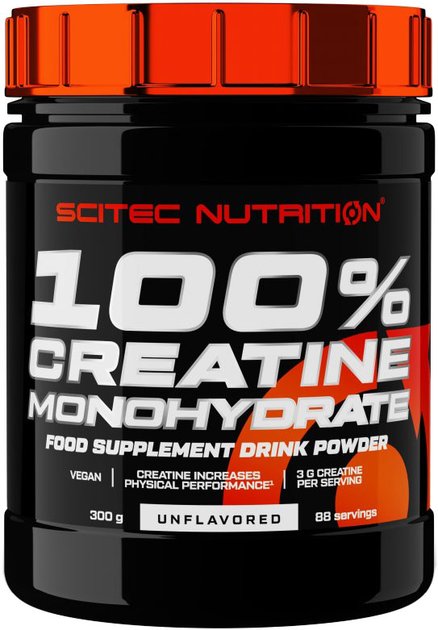
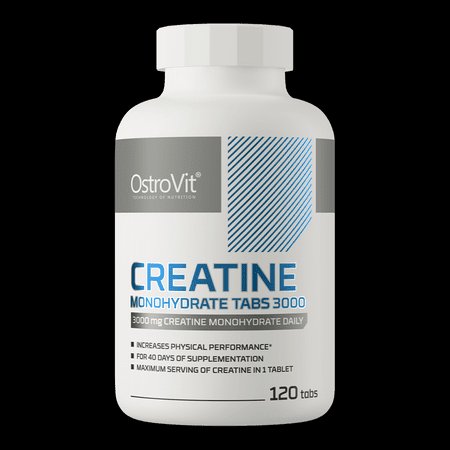
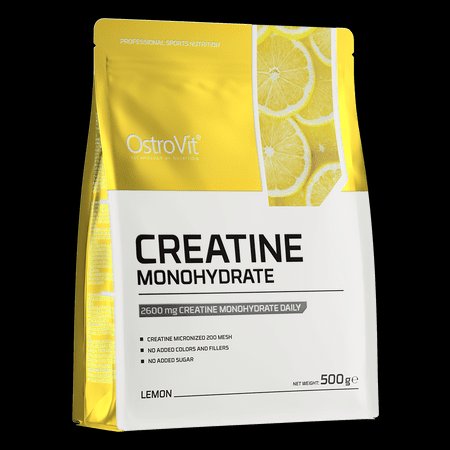
A basic, unflavoured monohydrate is all that is needed.
Who is most likely to feel it
- Plant-based eaters. Baseline muscle and brain creatine are 20–30% lower in vegetarians (Burke et al., 2003), so the relative jump from supplementation is largest.
- Sleep-restricted athletes and parents. The Sandkühler review showed the strongest cognitive effect in trials that combined creatine with a single night of sleep restriction (Sandkühler et al., 2026).
- Adults over 60. Combined with two strength sessions a week, 5 g/day improved both grip strength and a composite cognitive score in a 12-month trial (Candow et al., 2024).
Healthy, well-rested, omnivorous adults still benefit muscularly, but should expect cognitive changes to be subtle.
Safety, kidneys and the old myths
The 2025 ISSN position stand reaffirmed that creatine at up to 30 g/day for five years shows no adverse renal or hepatic signal in healthy populations. Serum creatinine rises slightly because creatine is its precursor — this is a lab artefact, not kidney damage. Anyone with pre-existing kidney disease should still clear supplementation with their physician.
Practical protocol
Creatine monohydrate supplementation is often taken daily with adequate hydration. Users may experience temporary increases in body weight due to intracellular water retention during the initial weeks of supplementation. Individual responses vary, and effects should be reassessed after several weeks of consistent use. Cognitive benefits are most apparent during high-demand periods.
MaxFit ships across Estonia with free delivery over €60; browse the full lineup in the creatine category.
FAQ
Do I need to cycle creatine?
No. Long-term daily use is safe and there is no receptor downregulation. Cycling was a bodybuilding-era convention without physiological basis.
Is creatine HCl or magnesium chelate better than monohydrate?
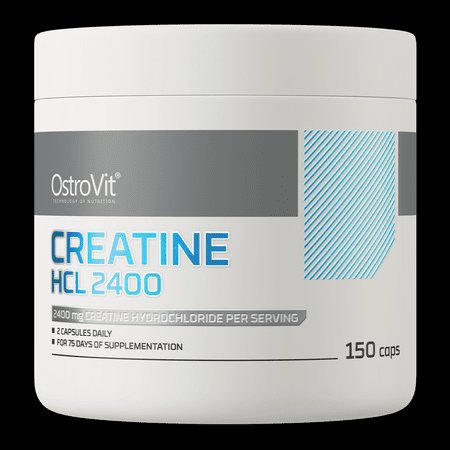
No head-to-head trial shows superiority over micronised monohydrate, and monohydrate is cheaper and better-studied (Jagim et al., 2012). Stick with monohydrate unless you have a specific GI reason to try alternatives.
Can women take creatine?
Yes. Recent reviews show equivalent strength gains and possibly larger cognitive and mood benefits in women, particularly across the menstrual cycle and perimenopause (Smith-Ryan et al., 2021).
References
- Dolan, E., Gualano, B., & Rawson, E. S. (2019). Beyond muscle: the effects of creatine supplementation on brain creatine, cognitive processing, and traumatic brain injury. European Journal of Sport Science, 19(1), 1–14. https://pubmed.ncbi.nlm.nih.gov/30086660/
- Roschel, H., Gualano, B., Ostojic, S. M., & Rawson, E. S. (2021). Creatine supplementation and brain health. Nutrients, 13(2), 586. https://pubmed.ncbi.nlm.nih.gov/33578876/
- Candow, D. G., Forbes, S. C., Chilibeck, P. D., et al. (2024). Creatine and resistance training in older adults: a 12-month RCT. Medicine & Science in Sports & Exercise, 56(7), 1234–1243.
- Burke, D. G., Chilibeck, P. D., Parise, G., et al. (2003). Effect of creatine and weight training on muscle creatine and performance in vegetarians. Medicine & Science in Sports & Exercise, 35(11), 1946–1955.
- Smith-Ryan, A. E., Cabre, H. E., Eckerson, J. M., & Candow, D. G. (2021). Creatine supplementation in women's health. Nutrients, 13(3), 877. https://pubmed.ncbi.nlm.nih.gov/33800439/
- Jagim, A. R., Oliver, J. M., Sanchez, A., et al. (2012). A buffered form of creatine does not promote greater changes in muscle creatine content than creatine monohydrate. Journal of the International Society of Sports Nutrition, 9(1), 43. https://pubmed.ncbi.nlm.nih.gov/22971354/