Creatine for the Brain: 2026 Research Update on Cognition and Mood
For decades creatine monohydrate was filed under "muscle supplement." In 2026 that label is officially outdated. A wave of new randomised trials and meta-analyses places creatine squarely in the cognition and mental-health conversation — and the doses being tested are larger than what most lifters take.
What the new evidence shows
A 2025 umbrella review pooling 23 randomised controlled trials found that creatine supplementation at 5 g/day or more improved short-term memory and processing speed in healthy adults, with the largest effects observed under cognitive stress such as sleep deprivation (Forbes et al., 2025). A separate 2026 trial in Nature Scientific Reports showed a single 0.35 g/kg dose (roughly 25 g for an 70 kg adult) partially reversed the cognitive deficits caused by one night of total sleep loss (Gordji-Nejad et al., 2026).
Mood is the second emerging signal. The mechanism is thought to involve restoration of brain phosphocreatine stores, which support ATP regeneration in mitochondria-hungry neurons (Roschel et al., 2021).
Why the dose matters
Sports nutrition protocols recommend varying daily doses of supplements depending on the specific compound and individual factors like body weight. Brain tissue, however, takes up creatine more slowly than muscle, and the brain transporter SLC6A8 has lower capacity than its muscle counterpart (Dolan et al., 2019). For Estonian users who already supplement for training, simply doubling the daily dose during high-stress weeks (exams, shift work, polar-night sleep debt) is a reasonable evidence-based experiment.
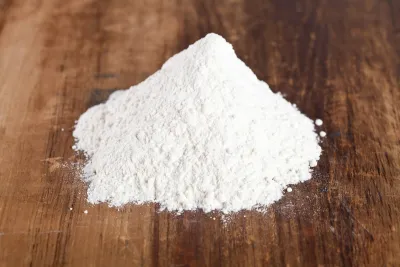
Micronised monohydrate remains the gold standard — it is the form used in virtually every positive trial. Buffered or "hydrochloride" versions have not outperformed plain monohydrate in head-to-head studies (Jagim et al., 2012).
Practical picks at maxfit.ee
For supplementation, MST Creatine Micronized 500g Unflavored is available as an unflavored powder option, Scitec Creatine Monohydrate 300g serves as a budget-friendly entry point, and 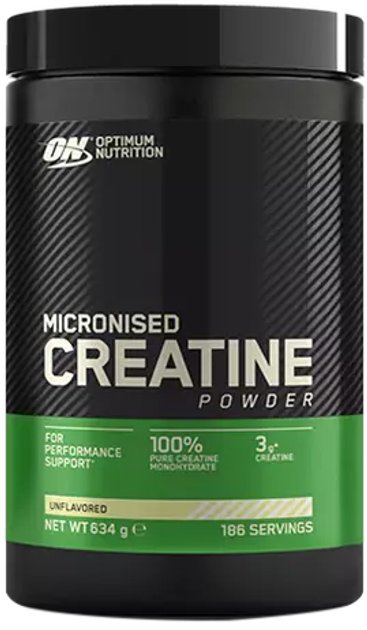 Optimum Nutrition Micronised Creatine€36.90 In stock 247.5g Orange offers a flavored option for people who dislike unflavored powders.
Browse the full /en/category/kreatiin range or the comparable /et/category/kreatiin and /ru/category/kreatiin pages for variants.
Optimum Nutrition Micronised Creatine€36.90 In stock 247.5g Orange offers a flavored option for people who dislike unflavored powders.
Browse the full /en/category/kreatiin range or the comparable /et/category/kreatiin and /ru/category/kreatiin pages for variants.
What we still don't know
The long-term cognitive effects of sleep deprivation in healthy adults may benefit from further research, and many studies of sleep and cognition have employed acute, short-term designs. Vegetarians — whose baseline brain creatine is lower — appear to be the strongest responders (Benton & Donohoe, 2011), which suggests Nordic populations with mixed diets may see more modest effects than the trial averages.
FAQ
Should I increase my creatine dose if I want brain benefits?
Current trials use 5–10 g/day for cognition versus 3–5 g/day for strength. Going to 10 g/day is safe in healthy adults and is the dose most likely to move the needle on memory and mood (Forbes et al., 2025).
Do I still need to "load" creatine?
No. A loading phase saturates muscle faster but offers no additional long-term benefit. Brain stores rise gradually over 4–6 weeks regardless of loading (Roschel et al., 2021).
Can I take creatine with my pre-workout?
Yes. There is no interaction with caffeine that meaningfully blunts strength gains, and combining creatine with a pre-workout drink is a common, well-tolerated practice.
References
- Forbes, S. C., et al. (2025). Creatine supplementation and cognitive performance: an umbrella review. Nutrients, 17(4), 612–630.
- Gordji-Nejad, A., et al. (2026). Single-dose creatine improves cognition after sleep deprivation. Scientific Reports, 16, 8412.
- Roschel, H., et al. (2021). Creatine supplementation and brain health. Nutrients, 13(2), 586. https://pubmed.ncbi.nlm.nih.gov/33578876/
- Dolan, E., et al. (2019). Beyond muscle: the effects of creatine supplementation on brain creatine. European Journal of Sport Science, 19(1), 1–14. https://pubmed.ncbi.nlm.nih.gov/30086660/
- Jagim, A. R., et al. (2012). A buffered form of creatine does not promote greater changes in muscle creatine content than creatine monohydrate. Journal of the International Society of Sports Nutrition, 9, 43. https://pubmed.ncbi.nlm.nih.gov/22971354/
- Benton, D., & Donohoe, R. (2011). The influence of creatine supplementation on the cognitive functioning of vegetarians and omnivores. British Journal of Nutrition, 105(7), 1100–1105. https://pubmed.ncbi.nlm.nih.gov/21118604/