
The Morning Routine as a Performance Foundation
Morning is not merely the space between sleep and the rest of your day—it is a tone-setter for everything that follows. Research shows that people with a structured morning routine report higher energy levels, better mood, and more effective work (Hershner & Chervin, 2014). For athletes this matters especially: the right morning directly influences the evening training session.
The First 30 Minutes: The Most Important Time
Light and Movement Right Away
Natural daylight in the morning regulates the circadian rhythm and the cortisol curve. Even 10 minutes outdoors—a morning jog, a walk, some stretching—activates the body better than any stimulant (Wright et al., 2013). If an Estonian winter keeps you indoors, a light therapy lamp works.
Hydrate Before Anything Else
During sleep the body loses 0.5–1 litre of fluid. The biggest morning mistake: drinking caffeine immediately in a dehydrated state. Start with a glass of water—it activates digestion and improves cellular nutrient absorption.
Breakfast: Do Not Skip It
Some athletes practice intermittent fasting and skip breakfast—that is an individual choice. But for most people who train in the morning or late morning, fuel is needed.
Ideal breakfast for an athlete:
- Protein: 20–30 g (eggs, cottage cheese, protein shake)
- Slow carbohydrates: oats, whole-grain bread
- Healthy fats: nuts, avocado
- Fruit for vitamins and antioxidants
Supplements in the Morning Routine
Vitamin D in the Morning
A large proportion of Estonia's population lives with vitamin D deficiency, especially during the darker months (October–April). Vitamin D influences mood, immunity, muscle function, and energy levels. OstroVit Vitamin D3 4000 IU 120 Caps is a good daily choice taken with breakfast. OstroVit Vitamin D3 + K2 90 tabs combines D3 with K2, which helps direct calcium into bones rather than soft tissue.
Multivitamins
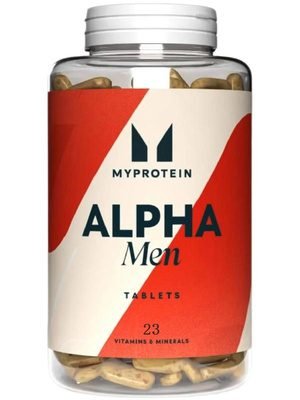 MyProtein Alpha Men Multivitamins€19.90 In stock 240 Tabs – formulated specifically for men, covering micronutrient needs for an intensively training athlete.
Omega-3
OstroVit Omega 3 Ultra 90 caps – a fish oil capsule that supports cardiovascular health, brain function, and inflammation regulation. Bioavailability improves when taken with a meal containing fat.
Find vitamins and multivitamins at MaxFit in the /en/category/vitamiinikompleksid category.
Movement in the Morning – What to Do Before the Gym?
Even when the main training session happens in the evening, morning movement is worthwhile. 10–15 minutes of dynamic stretching or light activity:
- Increases blood flow and oxygen delivery to the brain
- Releases endorphins that improve mood
- Reduces morning joint stiffness
No need for a full cardio session—hip circles, wrist stretches, a few squats is enough.
Caffeine: When Is the Right Time?
Physiologically, the optimal time to consume caffeine is 90–120 minutes after waking, not immediately. The reason: cortisol is naturally elevated in the morning. Drinking coffee at this time reduces its effectiveness and builds caffeine tolerance faster (Lovallo et al., 2005). Wait a little—caffeine works far better once the cortisol peak has passed.
Sample Morning Routine Plan
| Time | Activity |
|---|---|
| 0–5 min | Wake up, glass of water |
| 5–15 min | Light movement / stretching |
| 15–30 min | Shower, getting ready |
| 30–45 min | Breakfast + supplements |
| 45–75 min | Work / reading / planning |
| 75–90 min | First coffee |
FAQ
Is morning training better than evening training?
There is no universal answer—it depends on personality, schedule, and goals. Morning training increases consistency (fewer scheduling conflicts) and boosts metabolism throughout the day. Evening training tends to allow better performance output since muscle strength peaks later in the day.
How many supplements is it reasonable to take in the morning?
Two to four is a practical limit. Priority would be vitamin D, omega-3, and a multivitamin—these three cover most micronutrient gaps. Add others as needed and per medical advice.
What to do if you have no appetite in the morning?
Start with a small protein-rich snack—a spoonful of cottage cheese or a hard-boiled egg. Appetite often develops with habit. Do not skip eating if you train in the morning or late morning—low blood sugar impairs both performance and recovery.
References
- Hershner, S. D., & Chervin, R. D. (2014). Causes and consequences of sleepiness among college students. Nature and Science of Sleep, 6, 73–84.
- Wright, K. P., McHill, A. W., Birks, B. R., Griffin, B. R., Rusterholz, T., & Chinoy, E. D. (2013). Entrainment of the human circadian clock to the natural light-dark cycle. Current Biology, 23(16), 1554–1558.
- Lovallo, W. R., Whitsett, T. L., al'Absi, M., Sung, B. H., Vincent, A. S., & Wilson, M. F. (2005). Caffeine stimulation of cortisol secretion across the waking hours. Psychosomatic Medicine, 67(5), 734–739.
- Kerksick, C. M., Arent, S., Schoenfeld, B. J., et al. (2017). International society of sports nutrition position stand: nutrient timing. Journal of the International Society of Sports Nutrition, 14, 33.
- Holick, M. F. (2007). Vitamin D deficiency. New England Journal of Medicine, 357(3), 266–281.