What Happens in the Body During Menopause?
Shop this category — in stock now


Menopause is a natural biological process marking the end of menstruation. The average age of menopause in Estonia is 51, but perimenopause — the transition period — can begin as early as 40–45 and last 4–10 years.
During this time, estrogen and progesterone levels gradually decline, causing a range of symptoms:
- Hot flashes (affecting up to 80% of women)
- Night sweats and sleep disturbances
- Mood changes — anxiety, irritability, depression
- Weight gain — especially around the midsection
- Bone health changes — supporting normal bone maintenance becomes important
- Skin and mucosal dryness
- Deepening fatigue and lack of energy
Many women seek natural ways to support their wellbeing — and several supplements do have a strong scientific evidence base. Always consult your doctor to find the best approach for you.
Can Magnesium Help Relieve Menopause Symptoms?
Magnesium is one of the most versatile minerals during menopause. It helps address several symptoms at once:
Sleep and Relaxation
Nighttime awakenings and insomnia are among the most disruptive menopause symptoms. Magnesium:
- Activates GABA receptors — a calming nervous system pathway that supports natural relaxation
- Relaxes muscles and reduces restless legs syndrome
- Abbasi et al. (2012) showed that 500 mg of magnesium improved sleep quality, duration, and time to fall asleep in older adults
Hot Flashes
While magnesium is not a direct hot flash remedy, several studies have found:
- A link between magnesium deficiency and more frequent hot flashes
- Park et al. (2015): research explored magnesium's role in supporting comfort during menopause
Mood and Anxiety
- Magnesium regulates the HPA axis (hypothalamic-pituitary-adrenal axis), which controls the stress response
- Deficiency is linked to increased anxiety and depression risk
- Boyle et al. (2017): magnesium supplementation significantly reduced anxiety symptoms
Recommended form: Magnesium glycinate (300–400 mg in the evening)
Browse our magnesium selection.
How Does Ashwagandha Help During Menopause?
Ashwagandha is an adaptogen that has received significant scientific attention in the context of menopause in recent years.
Stress and Cortisol Management
During menopause, the body is already under hormonal stress. When daily life stress is added, symptoms can worsen considerably. Ashwagandha:
- Reduces cortisol levels by up to 30% (Chandrasekhar et al., 2012)
- Improves overall stress resilience
- Supports energy levels without a stimulating effect
Sleep and Anxiety
In the Langade et al. (2021) double-blind, placebo-controlled study:
- 600 mg ashwagandha extract improved sleep quality in 72% of participants
- Anxiety decreased significantly
- Overall quality of life improved
Thyroid Function
During menopause, supporting normal thyroid function becomes important. Ashwagandha may contribute to normal thyroid hormone balance, which helps:
- Prevent metabolic slowdown
- Reduce fatigue
- Support weight management
Recommended dose: 300–600 mg KSM-66 daily
Browse our ashwagandha selection.
Is Maca Effective Against Menopause Symptoms?
Maca (Lepidium meyenii) is a Peruvian Andes root vegetable used for centuries to support women's health. Unlike soy products, maca does not contain phytoestrogens — it works differently.
Scientific Evidence
Meissner et al. (2006) study in menopausal women:
- 2 g of maca powder daily for 12 weeks
- Research has explored its potential role in supporting comfort during menopause
- May help maintain normal sleep comfort
- May support normal mood and emotional wellbeing
- Has been studied for its role in supporting hormonal wellness
Brooks et al. (2008) confirmed:
- Maca improved mood and reduced anxiety
- Sexual function improved
- Energy levels increased
Which Type of Maca to Choose?
- Red maca — best for women during menopause (bone health, hormones)
- Yellow maca — general energy and mood
- Gelatinized form absorbs better
Recommended dose: 2–3 g daily in the morning
Browse our maca selection.
What Role Does Vitamin E Play for Hot Flashes?
Vitamin E is an antioxidant that has been studied in the context of hot flashes for decades.
What Do Studies Show?
Ziaei et al. (2007) randomized controlled trial:
- 400 IU of vitamin E daily for 4 weeks
- Research has explored its role in supporting comfort during menopause
- May contribute to general wellbeing during menopause
- Minimal side effects
Dalal & Agarwal (2015) meta-analysis confirmed:
- Vitamin E is safe and moderately effective for hot flash relief
- Suitable for women seeking natural support
How Does Vitamin E Work?
- Affects the thermoregulation center in the hypothalamus
- Antioxidant action protects tissues from oxidative stress
- Supports skin moisture and elasticity
Recommended dose: 400 IU of natural vitamin E (d-alpha-tocopherol) daily
Can Melatonin Help With Sleep During Menopause?
Melatonin is the sleep hormone whose production decreases with age. During menopause, this decline is particularly noticeable.
Sleep Disorders in Menopause
Up to 60% of women going through menopause suffer from sleep disturbances. Causes include:
- Nighttime hot flashes and sweating
- Anxiety and racing thoughts
- Declining natural melatonin production
- Progesterone (a natural calming hormone) decline
Scientific Evidence for Melatonin
Kotlarczyk et al. (2012) study in perimenopausal women:
- 3 mg melatonin in the evening
- Sleep quality improved significantly
- May support normal thyroid function
- May contribute to emotional balance
Additional benefits:
- Melatonin is also a powerful antioxidant
- Supports normal bone maintenance
- Does not cause dependency
Melatonin Usage Guidelines
- Dose: 0.5–3 mg, 30–60 minutes before bed
- Start small: 0.5 mg is often sufficient
- Timing matters: Take at the same time each evening
- Not for everyone: Some experience vivid dreams or morning grogginess
What Other Supplements to Consider?
Vitamin D + K2
Shop this category — in stock now
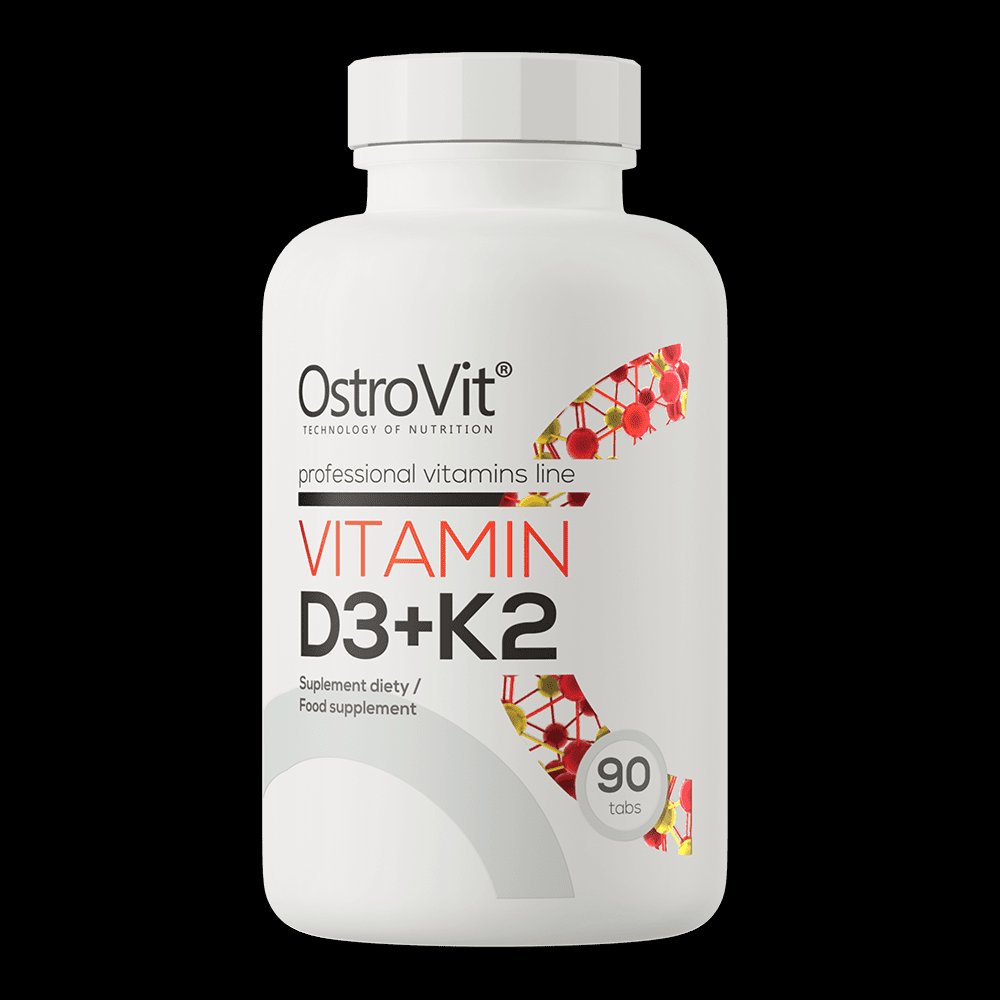
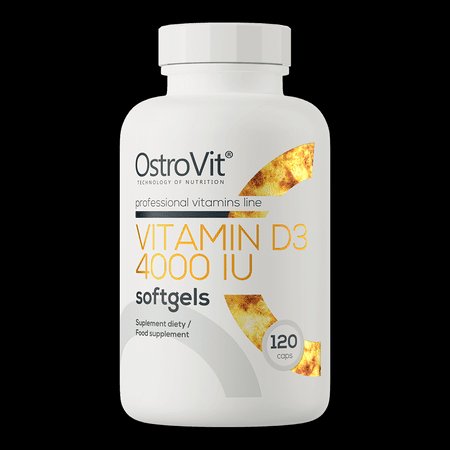


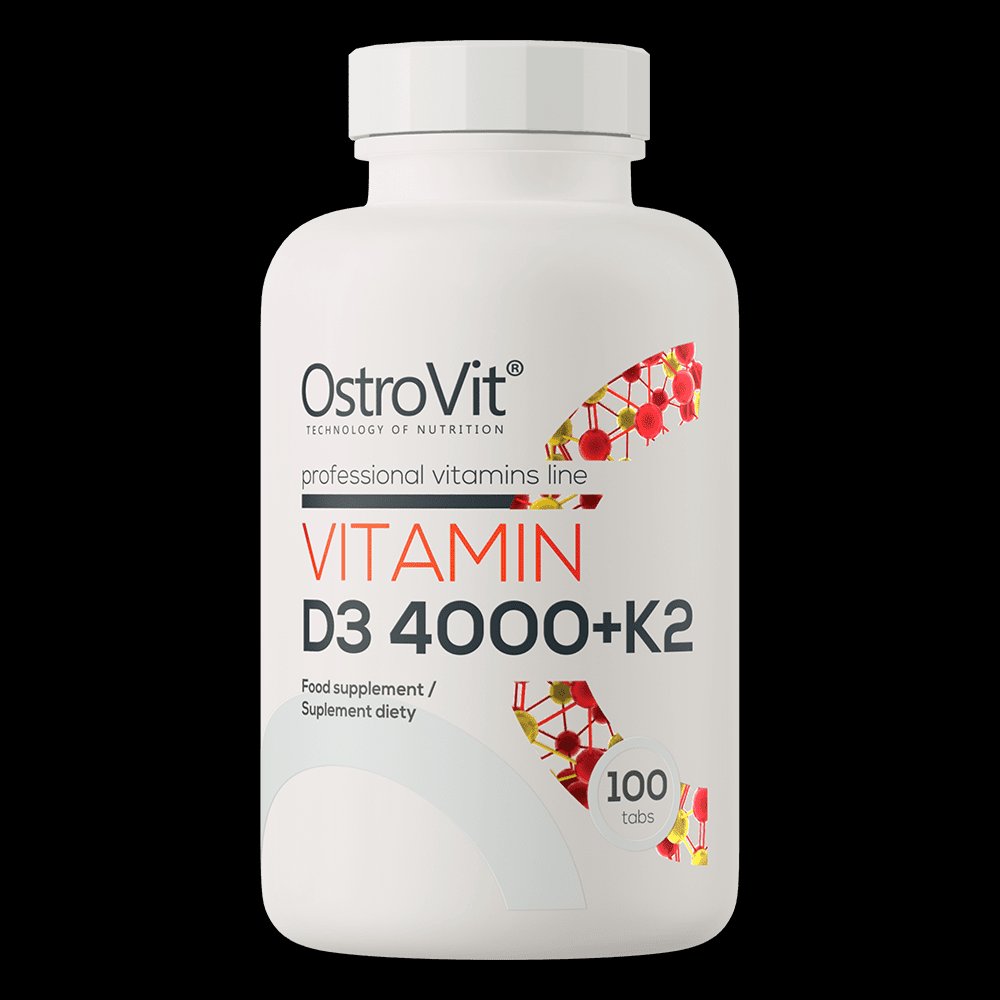
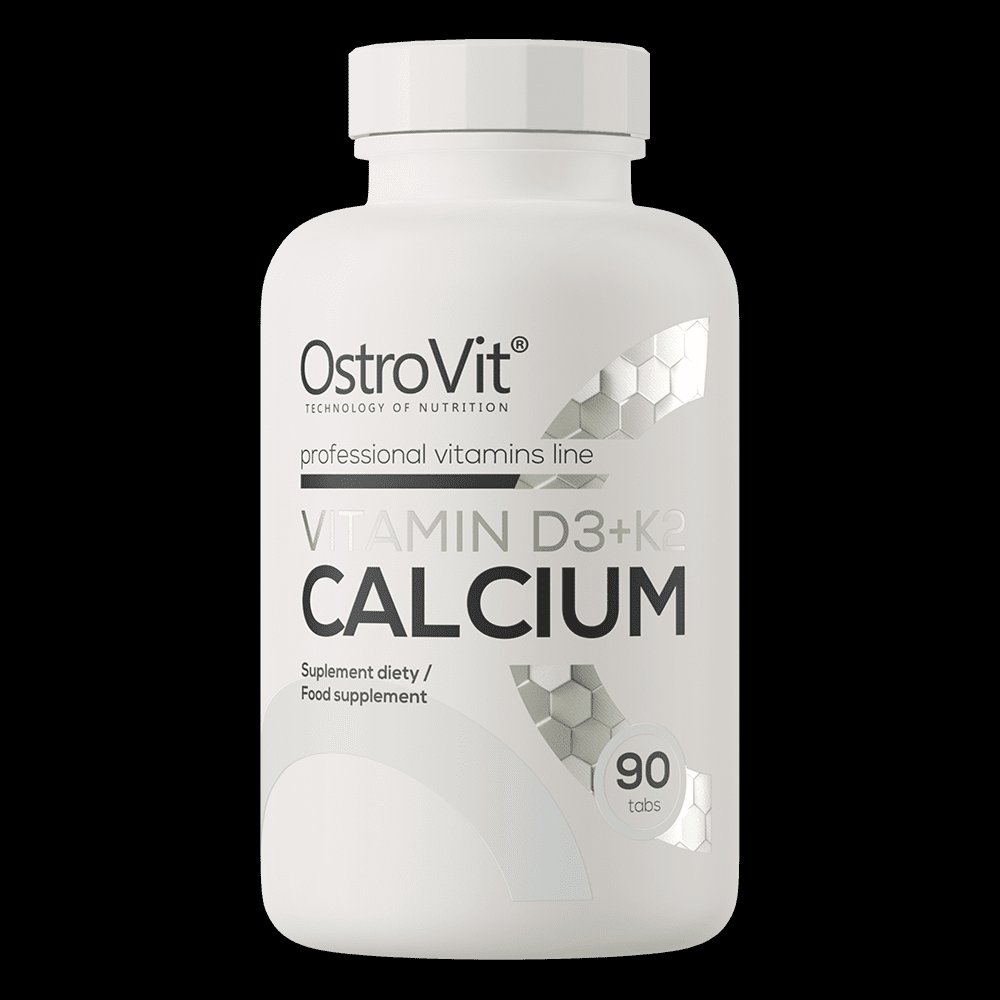
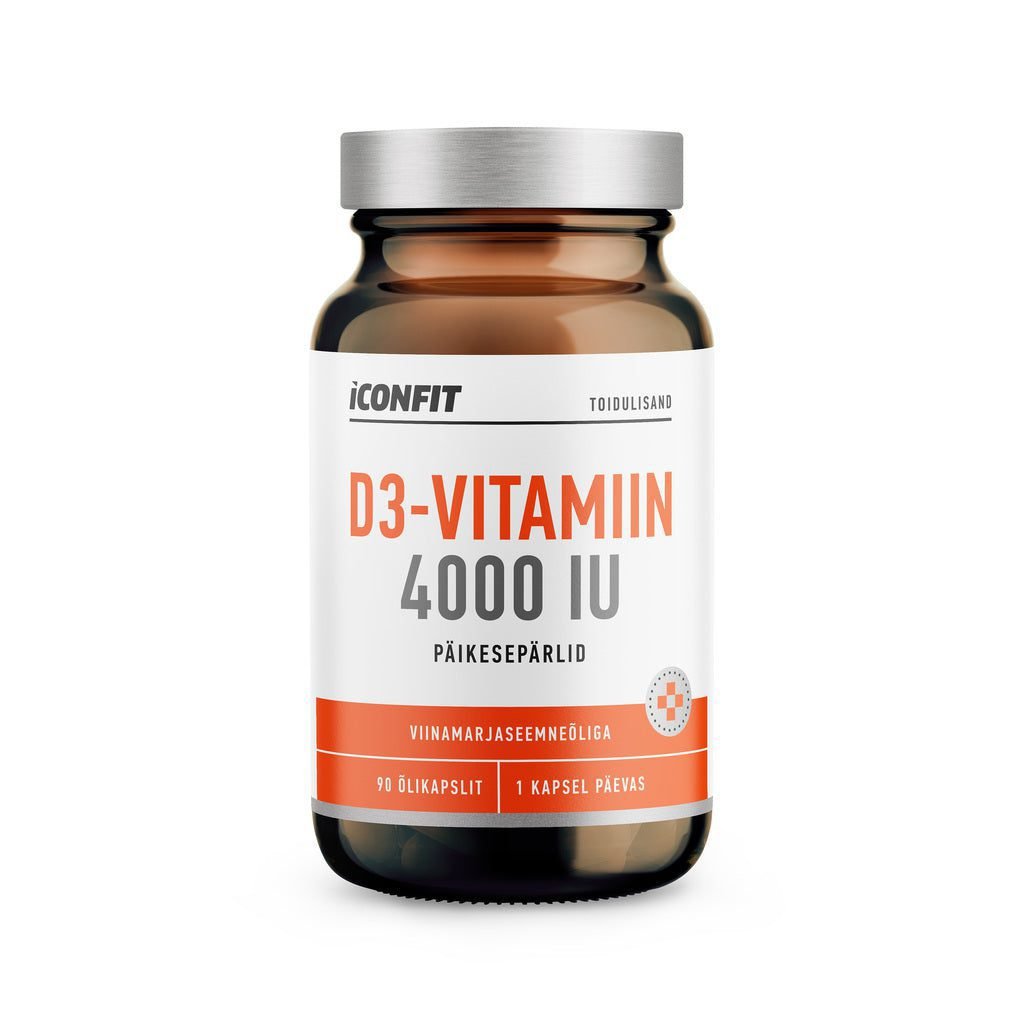


During menopause, bone loss accelerates dramatically. The vitamin D + K2 combination:
- Supports directing calcium into bones
- Contributes to the maintenance of normal bones (EFSA-authorised claim for vitamin D)
- Improves mood (especially in winter)
Recommended: 2,000–4,000 IU D3 + 100 mcg K2 (MK-7)
Browse our vitamin D selection.
Omega-3 Fatty Acids
- Reduce systemic inflammation
- Support heart health (risk increases after menopause)
- Support normal mood and emotional wellbeing
- Support skin moisture
Recommended: 1,000–2,000 mg EPA+DHA daily
Browse our omega-3 selection.
Collagen
Estrogen decline accelerates collagen breakdown. In the first five years after menopause, the skin loses up to 30% of its collagen.
- 5–10 g hydrolyzed collagen daily
- Improves skin elasticity and moisture
- Supports joints and bones
Browse our collagen selection.
How to Build a Menopause Supplement Plan?
First Steps (for everyone)
- Magnesium glycinate 300–400 mg in evening — sleep, anxiety, cramps
- Vitamin D3 2,000–4,000 IU + K2 100 mcg — bones, mood, immunity
When Symptoms Need Extra Support
- Ashwagandha KSM-66 300–600 mg — stress, sleep, energy
- Maca 2–3 g in morning — hot flashes, mood, energy
- Vitamin E 400 IU — hot flashes
For Sleep Issues
- Melatonin 0.5–3 mg in the evening — falling asleep, sleep quality
For Long-term Health
- Omega-3 1,000–2,000 mg — heart, brain, skin
- Collagen 5–10 g — skin, joints, bones
See also:
- Best Supplements for Women Over 40 — Vitamins, Minerals and Adaptogens
- Hormonal Balance With Natural Supplements — Inositol, Ashwagandha and an Evidence-Based Approach
- Calcium and Bone Health After 40 — Preventing Osteoporosis With Vitamin D and K2
Important to Remember
- Drug interactions: Ashwagandha may affect thyroid medications. Maca may not suit some hormone therapies. Melatonin can strengthen the effect of sedatives. Always consult your doctor!
- Expected timeline: Most supplements need 4–12 weeks of consistent use.
- Individuality: Every woman's body responds differently. Start with one supplement at a time to understand what works for you.
Summary
Menopause does not have to mean suffering. Evidence-based supplements offer real relief:
- Magnesium — sleep, anxiety, cramps, bones
- Ashwagandha — stress, sleep, energy, thyroid
- Maca — hot flashes, mood, energy
- Vitamin E — hot flash relief
- Melatonin — sleep, antioxidant, bone health
Start with the basics (magnesium + vitamin D), add based on your symptoms, and give each supplement enough time to take effect. ## Which Supplements Do Not Work for Menopause?
For the sake of honesty, it is important to also mention supplements where the scientific evidence is weak:
Soy Isoflavones
Although frequently marketed as menopause relievers:
- Results in studies are contradictory
- They affect thyroid function
- Not suitable for women with hormone-sensitive conditions (breast cancer history)
- If you want to try, choose fermented soy (tempeh, miso)
Wild Yam
A popular myth that wild yam contains progesterone:
- It contains diosgenin, which the body cannot convert to progesterone
- In a laboratory, diosgenin can be synthesized into progesterone, but this does not happen in the human body
- No clinical evidence for menopause symptom relief
Black Cohosh
One of the most studied herbal menopause remedies:
- Some studies show moderate benefit for hot flashes
- However, a major meta-analysis (2012) found evidence is insufficient
- Rarely associated with liver problems
- If you want to try, choose a standardized extract and monitor liver health
Safety Tips for Menopause Supplements
- Do not combine multiple hormonally active supplements without medical advice
- Always start with one supplement at a time — so you know what works and what causes side effects
- Keep a diary — record symptoms, doses, and changes. This helps assess what truly works
- Regular health checkups — during menopause it is important to monitor bone density, heart health, and thyroid function
Your body deserves the best care.
References
- Abbasi, B., Kimiagar, M., Sadeghniiat, K., Shirazi, M. M., Hedayati, M., & Rashidkhani, B. (2012). The effect of magnesium supplementation on primary insomnia in elderly: a double-blind placebo-controlled clinical trial. Journal of Research in Medical Sciences, 17(12), 1161–1169.
- Boyle, N. B., Lawton, C., & Dye, L. (2017). The effects of magnesium supplementation on subjective anxiety and stress — a systematic review. Nutrients, 9(5), 429.
- Chandrasekhar, K., Kapoor, J., & Anishetty, S. (2012). A prospective, randomized double-blind, placebo-controlled study of safety and efficacy of a high-concentration full-spectrum extract of ashwagandha root in reducing stress and anxiety in adults. Indian Journal of Psychological Medicine, 34(3), 255–262.
- Langade, D., Thakare, V., Kanchi, S., & Kelgane, S. (2021). Clinical evaluation of the pharmacological impact of ashwagandha root extract on sleep in healthy volunteers and insomnia patients. Journal of Ethnopharmacology, 264, 113276.
- Meissner, H. O., Mscisz, A., Reich-Bilinska, H., Mrozikiewicz, P., Bobkiewicz-Kozlowska, T., Kedzia, B., ... & Barchia, I. (2006). Hormone-balancing effect of pre-gelatinized organic maca (Lepidium peruvianum Chacon): (III) clinical responses of early-postmenopausal women to maca in double blind, randomized, placebo-controlled, crossover configuration, outpatient study. International Journal of Biomedical Science, 2(4), 375–394.
- Ziaei, S., Kazemnejad, A., & Zareai, M. (2007). The effect of vitamin E on hot flashes in menopausal women. Gynecologic and Obstetric Investigation, 64(4), 204–207.
- Kotlarczyk, M. P., Lassila, H. C., O'Neil, C. K., D'Amico, F., Enderby, L. T., Witt-Enderby, P. A., & Balk, J. L. (2012). Melatonin osteoporosis prevention study (MOPS): a randomized, double-blind, placebo-controlled study examining the effects of melatonin on bone health and quality of life in perimenopausal women. Journal of Pineal Research, 52(4), 414–426.