What Is DOMS and Why Does It Happen?
You've felt it: 24–48 hours after training, your muscles are so stiff and painful that climbing stairs becomes an ordeal. This is DOMS — delayed-onset muscle soreness. Unlike the acute burn felt during exercise, DOMS develops hours after the session ends and can persist for 2–5 days.
For decades, DOMS was blamed on lactic acid build-up. This myth has been thoroughly debunked — lactate clears from the body within 1–2 hours of training. The real cause is mechanical: during exercise, microscopic damage occurs in muscle fibres, particularly during eccentric loading (when a muscle lengthens under tension). This damage triggers an inflammatory response where immune cells infiltrate the muscle, releasing mediators that activate pain receptors (Cheung et al., 2003).
What Does DOMS Actually Signal?
Contrary to popular belief, DOMS is not a sign of muscle growth. It is simply a damage indicator. Training without DOMS can be equally effective — it simply means the body has adapted to the load. Mild DOMS is normal; severe DOMS signals excessively high volume or load.
Evidence-Based Strategies to Manage DOMS
Active recovery: Light movement (walking, swimming) increases blood flow without causing further damage and helps clear inflammatory mediators more quickly.
Heat vs cold: Heat (hot bath, sauna) dilates blood vessels and improves circulation. Cold (ice baths) can reduce acute inflammation levels. Both have their place, at different timepoints:
| Method | Best used | Effect |
|---|---|---|
| Heat (sauna, hot bath) | 24–48 h after training | Circulation, muscle relaxation |
| Cold shower / ice bath | First 24 h | Inflammation reduction, swelling control |
| Contrast (hot-cold) | 24–72 h after | Combined effect |
Massage: Massage (including foam rolling) reduces DOMS intensity and accelerates recovery — it is one of the most effective non-pharmacological approaches (Dupuy et al., 2018).
Sleep: As discussed, most muscle repair happens during sleep. During DOMS periods, sleep plays an especially critical role.
Supplements That Help With DOMS
Several supplements have evidence behind them for DOMS relief:
OstroVit BCAA + Glutamine 5500mg 300caps — branched-chain amino acids reduce exercise-induced muscle damage markers (CK, LDH) and accelerate recovery (Howatson et al., 2012). OstroVit Omega 3 Ultra 90 caps — omega-3 fatty acids (EPA and DHA) reduce inflammatory mediators, lessening DOMS severity. 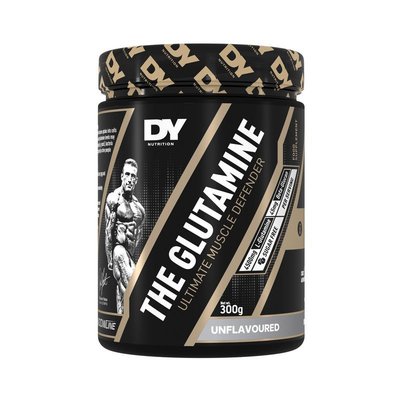 DY The Glutamine Recovery€21.90 In stock 300g — glutamine supports the immune system during DOMS periods when the body is under stress. MST Protein Best Whey + Enzymes 510g Vanilla Ice Cream — fast-absorbing protein with digestive enzymes supports faster muscle tissue renewal.
Find these at maxfit.ee/en/category/bcaa-et.
Nutrition During DOMS
Protein: Aim for 1.6–2.2 g per kg of bodyweight daily. Protein provides amino acids for tissue repair.
Carbohydrates: Low glycogen intensifies DOMS. Adequate carbohydrate intake helps the body recover more efficiently.
Hydration: Water is essential for nutrient transport to muscles and waste product removal. Dehydration worsens DOMS severity.
FAQ
Does DOMS mean my workout was effective?
No — DOMS is a damage indicator, not a growth indicator. Training can be highly effective without DOMS. Experienced athletes experience DOMS less frequently as the body adapts, yet they continue progressing.
Can I train while experiencing DOMS?
With mild DOMS, light training is fine. With severe DOMS, active recovery is preferable. Avoid intensely training the same muscle group until the soreness has significantly subsided.
How long does DOMS typically last?
Typically 24–72 hours, peaking between 24–48 hours. In some cases (especially after very intense eccentric training), it can persist 5–7 days. If pain lasts longer, consult a doctor or physiotherapist.
References
- Cheung, K., Hume, P., & Maxwell, L. (2003). Delayed onset muscle soreness: treatment strategies and performance factors. Sports Medicine, 33(2), 145–164.
- Howatson, G., Hoad, M., Goodall, S., Dawson, J., Bell, P. G., & French, D. N. (2012). Exercise-induced muscle damage is reduced in resistance-trained males by branched chain amino acids. Journal of the International Society of Sports Nutrition, 9(1), 20.
- Dupuy, O., Douzi, W., Theurot, D., Bosquet, L., & Dugué, B. (2018). An evidence-based approach for choosing post-exercise recovery techniques. Frontiers in Physiology, 9, 403.
- Bessa, A. L., Oliveira, V. N., Agostini, G. G. G., Oliveira, R. J. S., Oliveira, A. C. S., White, G. E., & Ramos, C. S. (2016). Exercise intensity and recovery: biomarkers of muscle damage and inflammation. Journal of Strength and Conditioning Research, 30(2), 311–319.
- Uchida, M. C., Nosaka, K., Ugrinowitsch, C., Yamashita, A., Martins, E., Moriscot, A. S., & Aoki, M. S. (2009). Effect of bench press exercise intensity on muscle soreness and inflammatory mediators. Journal of Sports Sciences, 27(5), 499–507.