
When to Take Fiber: Optimal Timing
Fiber supplements — psyllium husk, inulin, and other soluble and insoluble sources — are among the most versatile nutritional tools available. But fiber timing is not trivial: take it at the wrong moment and you may block mineral absorption, trigger digestive discomfort during exercise, or miss out on its blood-sugar benefits.
With or Without Food?
Soluble fibers such as psyllium form a gel in the stomach that slows gastric emptying. Taking psyllium or inulin immediately before a meal therefore extends the feeling of fullness and blunts the glycaemic response to that meal — an effect demonstrated in a well-controlled trial (Gibb et al., 2015). Taking fiber with water about ten to fifteen minutes before eating is the most evidence-aligned approach for satiety and glucose management.
Taking fiber with a meal, rather than before it, is also effective and is often more comfortable for people who are new to supplementation. What you want to avoid is taking fiber long after a meal when the food has already moved through, losing the satiety and glycaemic benefit.
Time of Day and Training
Fiber supplements and intense exercise do not mix well in close timing. Soluble fiber delays gastric emptying, which can cause cramping or a heavy stomach feeling during cardio or strength sessions. Aim for at least two hours between a fiber supplement dose and a training session.
Morning timing suits most people using fiber for cholesterol management or regular bowel habits. A psyllium dose at breakfast — mixed into oatmeal, a shake, or a glass of water — is absorbed gradually and supports gut transit throughout the day.
Evening timing can work for those who prefer taking supplements with dinner and those who want overnight support for the gut microbiome — particularly relevant for prebiotic fibers like inulin, which feed beneficial bacteria (Kolida & Gibson, 2011).
Split vs Single Dose
A single daily dose of a fiber supplement is common and well tolerated by most people once the gut adapts. However, splitting into two smaller doses — morning and evening — tends to reduce bloating and flatulence in those who are sensitive. Starting with a smaller dose and increasing gradually over one to two weeks is the most comfortable approach.
ICONFIT Superfoods Organic Psyllium Husk Powder 150g and NOW Psyllium Husk 500mg 200 veg caps are practical options: the powder allows precise dose-stepping, while the capsules offer convenience.
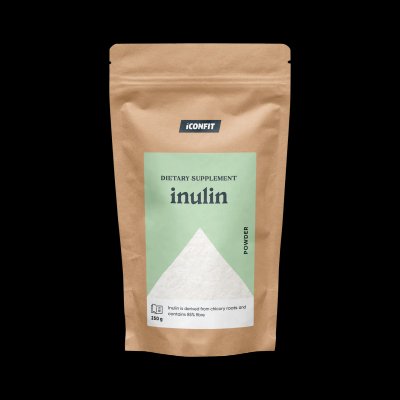 ICONFIT Superfoods Inulin Powder€7.40 In stock 250g is better suited to smaller, consistent daily doses because inulin ferments rapidly and large doses cause gas in sensitive individuals.
Interactions Affecting Timing
Fiber is a category that demands attention around other supplements and medications:
- Medications: Soluble fiber can bind to and reduce absorption of certain drugs. Take any prescription medication at least one hour before or two hours after a fiber supplement.
- Minerals (iron, zinc, calcium): High-fiber meals modestly reduce mineral absorption. If you take mineral supplements, separate them from fiber by at least an hour.
- Protein shakes: Adding psyllium to a protein shake is popular for satiety, but be aware it will slow the protein's absorption slightly — fine for general meals, less ideal immediately post-workout when rapid amino acid delivery is the goal.
Practical Schedule
| Goal | Dose timing | Format |
|---|---|---|
| Satiety and blood sugar | 10–15 min before main meals | Psyllium powder or caps |
| Gut regularity | Morning with breakfast | Psyllium powder |
| Microbiome support | Evening with dinner | Inulin powder |
| Cholesterol management | With largest meal of day | Psyllium |
Always drink plenty of water with fiber supplements — at least 250 ml per dose. Without adequate water, psyllium in particular can slow transit rather than support it.
You can browse the full fiber supplement range at maxfit.ee.
FAQ
Can I take fiber supplements every day?
Yes. Consistent daily intake is how fibers deliver their benefits for gut health and cholesterol. Start low and increase gradually to let your gut microbiome adapt.
Does it matter whether I use psyllium or inulin?
They work differently. Psyllium is primarily a bulking, gel-forming fiber good for regularity and cholesterol. Inulin is a prebiotic that feeds gut bacteria and may improve microbiome diversity. Using both on alternating schedules is possible.
Will fiber supplements interfere with my workout performance?
If taken too close to training — within about two hours — soluble fiber can cause bloating and discomfort. Schedule your dose well before or well after exercise.
References
Gibb, R. D., McRorie, J. W., Russell, D. A., Hasselblad, V., & D'Alessio, D. A. (2015). Psyllium fiber improves glycemic control proportional to loss of glycemic control: a meta-analysis of data in euglycemic subjects, patients at risk of type 2 diabetes mellitus, and patients being treated for type 2 diabetes mellitus. American Journal of Clinical Nutrition, 102(6), 1604–1614. https://pubmed.ncbi.nlm.nih.gov/26561625/
Kolida, S., & Gibson, G. R. (2011). Synbiotics in health and disease. Annual Review of Food Science and Technology, 2, 373–393. https://pubmed.ncbi.nlm.nih.gov/22129388/



