
Fiber for Sleep and Stress: Is There a Scientific Basis?
Dietary fiber is well-known for supporting digestion, but a growing body of research suggests that fiber intake may also influence sleep and stress responses. This happens primarily via the gut-brain axis -- a bidirectional communication channel between the gut microbiome and the brain.
Mechanism: How Fiber Influences Sleep and Stress
Fiber acts as a prebiotic -- it feeds beneficial gut bacteria, particularly Lactobacillus and Bifidobacterium strains. These bacteria produce short-chain fatty acids (SCFAs), including butyrate, which influence brain functions via the vagus nerve, including the regulation of anxiety.
In addition, more than 90% of the body's serotonin is synthesized in the gut. Serotonin is both a mood regulator and a precursor to the sleep-promoting hormone melatonin. A fiber-rich diet that supports a healthy gut microbiome may therefore indirectly support better sleep quality.
Fiber also slows the rise of blood glucose, preventing sharp glycemic swings that can disturb sleep and increase cortisol responses.
Clinical Evidence: What RCTs Show
In one randomized trial, the addition of prebiotic fibers (10 g per day in the form of FOS) improved sleep quality and reduced anxiety scores in adults compared with placebo (Thompson et al., 2020). Participants reported deeper sleep and faster sleep onset.
In another study, psyllium fiber intake was associated with lower inflammatory markers, which are in turn associated with better stress resilience (Jalanka et al., 2019). However, this was an observational study -- causality cannot be directly inferred.
Overall, the evidence is promising but studies remain relatively small in scale. Fiber is not an overnight solution; it is more a component of long-term health support.
Effective Dose and Timing
Clinical studies have used daily fiber doses ranging from 10 to 30 g. European dietary guidelines recommend at least 25 g of fiber per day for adults, yet most people fall short of this.
To support nighttime sleep, it is advisable to distribute fiber intake across several servings throughout the day rather than consuming it all at once. A large single dose may cause bloating.
ICONFIT Superfoods Organic Psyllium Husk Powder 150g and NOW Psyllium Husk 500mg 200 veg caps are good psyllium fiber sources that dissolve in water and are easy to incorporate into daily eating. 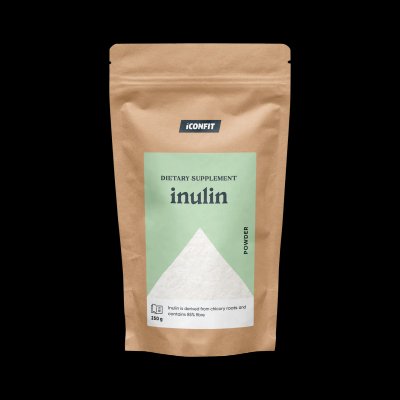 ICONFIT Superfoods Inulin Powder€7.40 In stock 250g is a pure prebiotic fiber source.
Who Benefits Most
Increasing fiber for sleep and stress support is most beneficial for:
- People whose fiber intake is below the recommended daily amount
- Those with digestive issues and a disrupted gut microbiome
- High-stress individuals who want to use nutrition to help manage stress
- Adults experiencing irregular sleep
Find fiber products in the fiber category at maxfit.ee.
Honest Verdict
Fiber is certainly a valuable part of a healthy diet. Its role in alleviating sleep issues and stress is scientifically grounded through a plausible mechanism, but direct clinical evidence is still limited. There is no basis to expect dramatic effects on insomnia from fiber alone -- but a diet that supports a healthy gut microbiome is in any case a sensible long-term investment.
References
- Thompson, R.S., et al. (2020). Dietary prebiotics and bioactive milk fractions improve NREM sleep, enhance REM sleep rebound and attenuate the stress-induced decrease in diurnal temperature and gut microbial alpha diversity. Frontiers in Behavioral Neuroscience, 11, 240.
- Jalanka, J., et al. (2019). The effect of psyllium husk on intestinal microbiota in constipated patients and healthy controls. International Journal of Molecular Sciences, 20(2), 433. https://pubmed.ncbi.nlm.nih.gov/30669509/
- Cryan, J.F., et al. (2019). The microbiota-gut-brain axis. Physiological Reviews, 99(4), 1877-2013. https://pubmed.ncbi.nlm.nih.gov/31460832/
FAQ
How quickly can fiber improve sleep?
Changes in the gut microbiome take time -- most studies required 4 to 8 weeks before noticeable changes in sleep quality appeared. Expect long-term results, not overnight effects.
Which type of fiber is best for sleep?
Prebiotic fibers such as inulin and FOS (fructo-oligosaccharides) are the most studied for sleep support. Psyllium husk supports general gut health, which may indirectly help sleep.
Should fiber be taken before bedtime?
It is better to spread fiber intake evenly throughout the day to avoid gastrointestinal discomfort. Taking large doses immediately before bed is not recommended.



