
Why Fiber Matters More After 50
Dietary fiber is often associated with digestive regularity, but its roles extend well beyond that. Fiber for seniors is particularly relevant because several physiological changes that accompany ageing directly increase the benefit-to-risk ratio of adequate fiber intake.
After the age of 50, gastrointestinal motility tends to slow, medication use increases (many drugs cause constipation), physical activity often declines, and total calorie intake decreases — all of which compress dietary fiber intake while the physiological need remains constant or increases. Simultaneously, age-related shifts in the gut microbiome favour a less diverse bacterial community, and adequate fiber is one of the main dietary factors known to support microbial diversity.
Age-Related Digestive Changes
The smooth muscle in the colon becomes less efficient with age. Peristaltic contractions — the wave-like movements that push stool through the gut — slow down, increasing gut transit time and the risk of constipation. Fiber, particularly insoluble fiber, adds bulk to stool and stimulates peristalsis mechanically.
Beyond bowel function, soluble fiber forms a gel-like matrix in the small intestine that slows glucose absorption, which helps buffer post-meal blood sugar rises — a meaningful benefit for older adults who are at greater risk of type 2 diabetes and impaired glucose tolerance.
Soluble fiber also binds bile acids in the gut, prompting the liver to pull cholesterol from the bloodstream to synthesise replacement bile — a mechanism that supports healthy LDL cholesterol levels. A large meta-analysis of randomised trials found that increased soluble fiber intake was associated with meaningful reductions in LDL cholesterol (Brown et al., 1999).
Dose and Safety
For adults over 50, general dietary guidance recommends approximately 21 grams per day for women and 30 grams per day for men, though actual intakes in most developed countries fall well short of this. When supplementing to close the gap, the key safety principle is gradual introduction.
Starting with a small dose — for example, around five grams per day — and increasing slowly over two to three weeks allows the gut microbiome and motility to adapt. Rapid introduction of large amounts of fiber commonly causes bloating, gas, and cramping, which discourages continued use.
Fluid intake is essential when increasing fiber. Each gram of fiber absorbs water; without adequate hydration, high fiber intake can paradoxically worsen constipation in older adults who may already drink less than optimal.
Products such as ICONFIT Superfoods Organic Psyllium Husk Powder 150g, NOW Psyllium Husk 500mg 200 veg caps, and 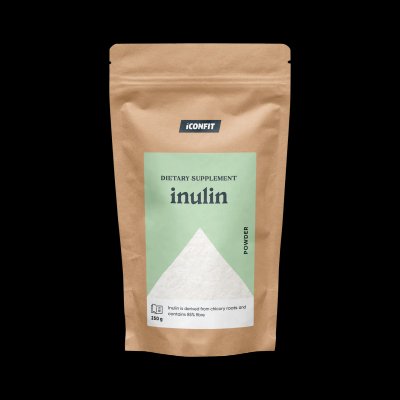 ICONFIT Superfoods Inulin Powder€7.40 In stock 250g offer convenient ways to supplement dietary fiber. These are available at maxfit.ee/et/category/kiudained.
Interactions With Medication
Fiber has the potential to reduce the absorption of some oral medications when taken simultaneously. This is particularly relevant for older adults who commonly take medications for cardiovascular conditions, diabetes, or thyroid conditions. The practical rule is straightforward: take fiber supplements at least one to two hours before or after any prescribed medication, particularly:
- Levothyroxine (thyroid hormone)
- Digoxin
- Warfarin
- Oral diabetes medications
Soluble fiber can also enhance the blood-glucose-lowering effect of diabetes medication, so individuals on these drugs should monitor response when starting fiber supplementation.
When to Consider Supplementing
Not everyone over 50 needs a fiber supplement. If whole food fiber from vegetables, legumes, fruit, and wholegrains is adequate, supplements add little. Supplementation makes most sense when:
- Total food intake has decreased due to reduced appetite or dental limitations
- Constipation is a recurring issue not resolved by diet alone
- Medication-induced gut motility changes are present
- A healthcare provider has recommended supporting cholesterol or blood sugar management
For those who do supplement, psyllium husk has the strongest evidence base for both cholesterol and regularity. Inulin (a fermentable soluble fiber) preferentially feeds beneficial bifidobacteria in the colon and may support gut microbiome diversity.
FAQ
Is psyllium husk safe for long-term daily use in older adults?
Yes, psyllium is generally considered safe for long-term daily use. It is widely used in clinical settings and has a well-established tolerability profile. As with any fiber supplement, adequate hydration is essential. People with swallowing difficulties should use the powder form mixed into liquid rather than whole capsules.
Can fiber supplements cause bloating?
Yes, especially at the beginning. Soluble fermentable fibers (such as inulin) are fermented by colonic bacteria, producing gas as a byproduct. Starting low and increasing gradually over two to three weeks significantly reduces this effect. Insoluble fiber (such as psyllium) tends to cause less fermentation and less gas.
Does fiber help with weight management after 50?
Fiber increases satiety by slowing gastric emptying and influencing satiety hormones. It may contribute to reduced calorie intake when consumed with adequate fluid, which can be a modest supportive factor in weight management. However, fiber alone is not a weight loss intervention.
References
Brown, L., Rosner, B., Willett, W. W., & Sacks, F. M. (1999). Cholesterol-lowering effects of dietary fiber: a meta-analysis. American Journal of Clinical Nutrition, 69(1), 30-42. https://pubmed.ncbi.nlm.nih.gov/9925120/



