
What Is Dietary Fiber and Why Does Dosage Matter?
Dietary fiber refers to the indigestible carbohydrate fraction of plant foods. It broadly divides into two categories: soluble fiber (which forms a gel in the gut, affecting cholesterol and blood sugar) and insoluble fiber (which adds bulk to stool and speeds transit). The most studied supplemental fiber types are psyllium husk and inulin, each with distinct dose-response profiles. Getting the fiber dosage right matters because too little has no measurable effect while too much too quickly causes significant gastrointestinal discomfort.
Studied Effective Dose Ranges
Psyllium Husk
Psyllium is a soluble, viscous fiber with the strongest evidence base among supplemental fibers. A meta-analysis of randomised controlled trials found that psyllium at doses of 7–10 g per day significantly reduced LDL cholesterol and total cholesterol in hypercholesterolaemic adults (Abutair et al., 2016). For bowel regularity and stool softening, doses of 5–10 g per day have been used in trials, with effects measurable within 1–2 weeks. For blood glucose management, similar dose ranges (5–10 g) before meals have shown reductions in postprandial glucose responses (Anderson et al., 2009).
Inulin (Prebiotic Fiber)
Inulin is a fermentable prebiotic fiber that selectively feeds beneficial gut bacteria. Research on bifidogenic (bifidobacterium-promoting) effects has used doses of 5–20 g per day. A randomised trial found that 10 g per day of inulin increased bifidobacteria counts and reduced gut pH, suggesting favourable microbiome effects (Roberfroid et al., 2010). Doses above 15–20 g per day are more likely to cause bloating and flatulence due to rapid fermentation.
At maxfit.ee you can find ICONFIT Superfoods Organic Psyllium Husk Powder 150g, NOW Psyllium Husk 500mg 200 veg caps, and 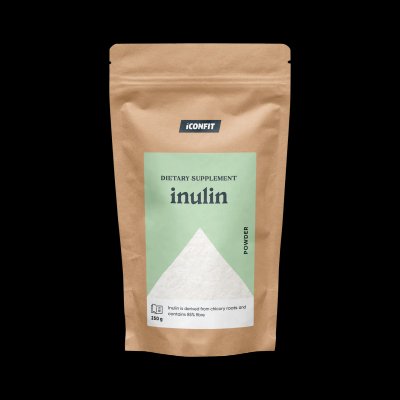 ICONFIT Superfoods Inulin Powder€7.40 In stock 250g. Browse the full range at maxfit.ee/en/category/kiudained.
Dose by Goal
| Goal | Fiber Type | Suggested Daily Dose |
|---|---|---|
| Cholesterol reduction | Psyllium | 7–10 g |
| Bowel regularity | Psyllium | 5–10 g |
| Blood glucose management | Psyllium | 5–10 g before meals |
| Gut microbiome support | Inulin | 5–10 g |
| Combined general gut health | Psyllium + Inulin | 5 g each |
Total daily fiber intake recommendations for adults (from all sources combined) are approximately 25–38 g per day. Most adults fall significantly short of this via diet alone, making supplementation a practical gap-filler.
Upper Limits and Safety
Fiber supplements are generally safe at doses used in research when introduced gradually and consumed with plenty of water. The most common adverse effects are bloating, flatulence, and cramping — these are most prominent with rapid dose escalation or insufficient fluid intake.
For psyllium, doses above 15–20 g per day taken without adequate hydration can increase constipation risk rather than relieving it. For inulin, doses above 15–20 g per day consistently produce significant gas and bloating in most individuals.
People with a history of bowel obstruction or dysphagia (difficulty swallowing) should consult a healthcare professional before using psyllium products. Very rare cases of allergic reaction to psyllium have been reported in people with occupational exposure.
No formal tolerable upper intake level has been set by EFSA for supplemental fiber forms, as both psyllium and inulin are classified as food ingredients.
Timing Relative to Dose
For cholesterol and blood glucose effects, psyllium should be taken with or immediately before a meal. This timing allows the gel formed to interact with digestive contents during digestion. For general bowel support, timing is less critical — morning intake with a large glass of water is a practical default.
Inulin can be taken at any time of day. It is commonly added to yogurt, coffee, or smoothies. Splitting the dose across two meals reduces fermentation-related gas production.
Practical Protocol
- Start low: Begin psyllium at 3–5 g per day and inulin at 3–5 g per day for the first week.
- Increase slowly: Add 2–3 g per week until you reach your target dose.
- Drink plenty of water: Each serving of psyllium should be taken with at least 250 ml of water.
- With meals for metabolic goals: Take psyllium just before or with meals if targeting cholesterol or blood sugar.
- Split inulin doses: Dividing inulin across two meals reduces bloating significantly.
FAQ
What is the difference between psyllium and inulin?
Both are soluble fibers, but they work differently. Psyllium forms a thick gel that slows digestion, reduces cholesterol absorption, and regulates stool consistency. Inulin is fermented by gut bacteria, selectively feeding beneficial strains and producing short-chain fatty acids that support colon health. They are complementary rather than interchangeable.
How much water should I drink with fiber supplements?
At least 250 ml (a full glass) per serving of psyllium is the standard recommendation, and total daily fluid intake should be at least 1.5–2 litres when using psyllium regularly. Insufficient water is the most common cause of worsened constipation with psyllium.
Can I take fiber supplements every day?
Yes. Both psyllium and inulin are intended for daily use. The benefits reported in trials — cholesterol reduction, bowel regularity, microbiome support — are the result of consistent daily intake rather than occasional use.
References
Abutair, A. S., Naser, I. A., & Hamed, A. T. (2016). Soluble dietary fibers effects on lipid profile: a systematic review. Journal of Cholesterol and Heart Disease, 1(1), 1–9.
Anderson, J. W., Baird, P., Davis, R. H., Ferreri, S., Knudtson, M., Koraym, A., ... & Williams, C. L. (2009). Health benefits of dietary fiber. Nutrition Reviews, 67(4), 188–205. https://pubmed.ncbi.nlm.nih.gov/19335713/
Roberfroid, M., Gibson, G. R., Hoyles, L., McCartney, A. L., Rastall, R., Rowland, I., ... & Meheust, A. (2010). Prebiotic effects: metabolic and health benefits. British Journal of Nutrition, 104(S2), S1–S63.



