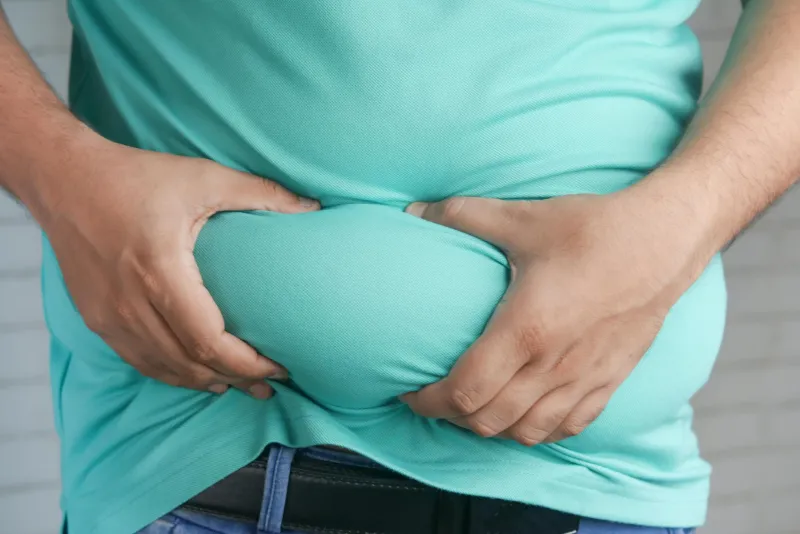
Fat Burners Absorption: Why It Matters
Fat burners are among the most popular — and most variable — supplements on the market. The term covers a broad category: stimulant-based thermogenics, L-carnitine, green tea extract, CLA, and combination formulas. Each ingredient has a distinct absorption profile, and taking them suboptimally can significantly reduce their effectiveness. Understanding what limits absorption and how to work around those limitations is practically more useful than buying a more expensive product.
What Limits Fat Burner Absorption
Stimulant-based formulas (caffeine, synephrine, thermogenics)
Caffeine is rapidly absorbed from the gastrointestinal tract — peak plasma levels occur roughly 30–60 minutes after ingestion in most people. Solubility is not the main limiting factor for caffeine; rather, the most common issue is the presence of food slowing gastric emptying. Taking caffeine-containing fat burners on an empty stomach typically produces faster onset, but may increase GI discomfort in sensitive individuals.
Synephrine (bitter orange extract) follows similar pharmacokinetics to caffeine. Absorption from capsule or powder form is generally good.
MyProtein Thermopure 180caps and OstroVit Fat Burner eXtreme 90caps are stimulant-containing thermogenics that follow this profile.
L-Carnitine
L-carnitine absorption is fundamentally different. It is primarily transported by specific intestinal carriers (OCTN2), and this transport is saturable. At higher doses, the proportion absorbed decreases because the transport system becomes the rate-limiting step — not dissolution or solubility. A study by Sahlin (2011) noted that L-carnitine's role in fat oxidation requires adequate tissue uptake, which in supplementation studies has been best demonstrated with insulin-stimulating conditions.
Practically: taking L-carnitine with a carbohydrate-containing meal — which raises insulin — supports carnitine uptake into muscle tissue. This is one case where taking a supplement with food (specifically carbohydrates) meaningfully improves its functional delivery.
OstroVit L-Carnitine 1250 60caps and OstroVit L-Carnitine shot 80ml are available at maxfit.ee.
Green Tea Extract (EGCG)
EGCG (epigallocatechin gallate), the primary bioactive in green tea extract, is absorbed from the small intestine. Its bioavailability is relatively modest and is affected by food timing. A review by Hursel et al. (2011) found that the catechin content of green tea had measurable effects on fat oxidation and thermogenesis, but noted significant inter-individual variability, partly attributable to COMT enzyme polymorphisms.
Green tea extract absorption is generally better on an empty stomach or with a low-fat snack. Taking it with a high-fat meal can reduce catechin absorption.
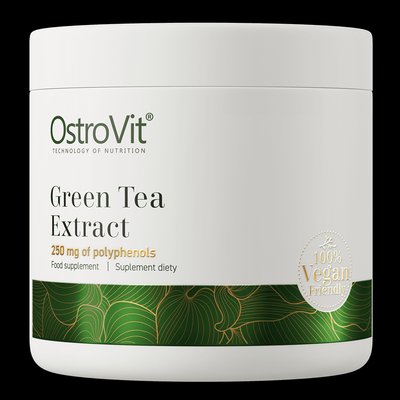 OstroVit Green Tea Extract€10.90 In stock 100g and OstroVit CLA + Green Tea + L-carnitine 90 caps provide plant-based fat burning support at maxfit.ee.
Diet Shakes and Meal Replacements
Diet shakes used as fat loss tools are not absorption-limited in the traditional sense — they are macronutrient and satiety tools. SELF Whey Shake 1kg Vanill and OstroVit Delicious Shake + Vitamin 400g Maapahkel are popular at maxfit.ee as part of calorie-managed eating.
Cofactors That Help
- Piperine (black pepper extract): has been shown to enhance absorption of several fat-soluble compounds by inhibiting intestinal drug-metabolising enzymes and slowing transit time. It has been studied most for curcumin, but is included in some fat burner formulas.
- Vitamin C: antioxidant protection during thermogenesis; may support exercise performance when combined with training.
- Chromium: included in some combination products for its role in glucose metabolism, though evidence for weight loss benefit is modest.
Form and Timing Effects
| Ingredient | Best taken | With or without food |
|---|---|---|
| Caffeine/thermogenics | 30–60 min pre-workout | Empty stomach or light snack |
| L-Carnitine | With or near a meal | With carbohydrates |
| Green tea extract | Between meals | Empty stomach or low-fat snack |
| CLA | With meals | With dietary fat |
| Diet shake | As meal replacement | As the meal itself |
Practical Tips
- Split your L-carnitine with carbohydrate-containing meals if you use it for training support.
- For stimulant-based fat burners, take them at least 5–6 hours before bedtime to avoid sleep disruption.
- If you are caffeine-sensitive, start with half the serving of thermogenic products and assess tolerance.
- Do not layer multiple stimulant-containing products (pre-workout + thermogenic + energy drink) — this risks cardiovascular strain.
- Consistency over weeks matters far more than single-dose timing optimisation.
FAQ
Should I take fat burners on an empty stomach?
Depends on the type. Caffeine-based thermogenics generally absorb faster on an empty stomach. L-carnitine absorbs more effectively with a carbohydrate meal. For sensitive individuals, a light snack with thermogenics can prevent GI discomfort without significantly reducing absorption.
How long before training should I take a fat burner?
For stimulant-based products, 30–60 minutes before training is typical — this aligns with peak plasma concentrations. L-carnitine timing is less acute; it is better understood as a chronic nutritional strategy where daily consistent intake builds tissue levels over weeks.
Do fat burners actually work, or is it mostly the caffeine?
Caffeine is the ingredient with the strongest standalone evidence for modest thermogenesis and fat oxidation. Green tea catechins and L-carnitine have supporting data but with smaller effect sizes and more variability. Combination formulas may show additive effects. None replaces a calorie deficit as the primary driver of fat loss.
References
Hursel, R., Viechtbauer, W., Dulloo, A. G., Tremblay, A., Tappy, L., Rumpler, W., & Westerterp-Plantenga, M. S. (2011). The effects of catechin rich teas and caffeine on energy expenditure and fat oxidation: a meta-analysis. Obesity Reviews, 12(7), e573-581. https://pubmed.ncbi.nlm.nih.gov/21366839/
Sahlin, K. (2011). Boosting fat burning with carnitine: an old friend comes out from the shadow. Journal of Physiology, 589(7), 1509-1510. https://pubmed.ncbi.nlm.nih.gov/21486835/
Venables, M. C., Hulston, C. J., Cox, H. R., & Jeukendrup, A. E. (2008). Green tea extract ingestion, fat oxidation, and glucose tolerance in healthy humans. American Journal of Clinical Nutrition, 87(3), 778-784. https://pubmed.ncbi.nlm.nih.gov/18326618/



