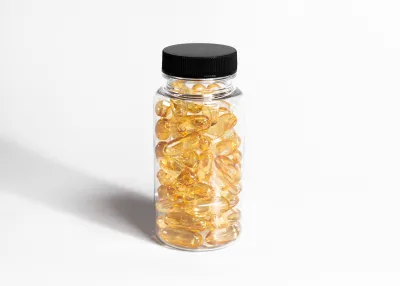
EPA and the Omega-3/Omega-6 Balance
If you have searched for "EPA omega-6," you are probably trying to understand one of the most important nutritional imbalances in the modern diet. EPA (eicosapentaenoic acid) is an omega-3 fatty acid, not an omega-6 — and the ratio between these two families of fats affects inflammation, heart health, brain function, and athletic recovery.
This guide explains the science behind the omega-3/omega-6 balance, how EPA fits in, and what you can do about it.
Who This Is For
Anyone eating a typical Western diet, athletes dealing with chronic soreness, or people confused by the omega-3 vs omega-6 labels on supplements. After reading, you will know your likely ratio, understand why it matters, and have a realistic plan to improve it.
TL;DR
- EPA is an omega-3 fatty acid that directly counteracts pro-inflammatory omega-6 metabolites
- The ideal omega-6 to omega-3 ratio is roughly 2:1 to 4:1; most Western diets run 15:1 to 20:1 (Simopoulos, 2002)
- You fix the ratio by reducing omega-6 intake (seed oils, processed food) AND increasing omega-3 intake (fatty fish, EPA/DHA supplements)
- Athletes benefit from higher EPA intakes — 1.5-3g combined EPA+DHA daily (Philpott et al., 2019)
- Supplemental EPA has stronger anti-inflammatory effects than DHA alone
Why the Ratio Matters
Both omega-3 and omega-6 fatty acids are essential — your body cannot make them. The problem is not that omega-6 is "bad." Linoleic acid (LA, the primary omega-6) is necessary for cell membrane structure and immune function.
The problem is proportion. Omega-6 and omega-3 compete for the same enzymes (delta-6 desaturase and delta-5 desaturase). When omega-6 dominates, the enzymatic pathway produces more arachidonic acid (AA), which gets converted into pro-inflammatory eicosanoids: prostaglandin E2, thromboxane A2, and leukotriene B4 (Calder, 2006).
When EPA is present in sufficient amounts, it competes for those same enzymes and produces resolvin E1 and other specialized pro-resolving mediators (SPMs) that actively shut down inflammation (Serhan et al., 2008).
In practical terms: a high omega-6/omega-3 ratio correlates with higher rates of cardiovascular disease, obesity, and inflammatory conditions. A lower ratio is protective (Simopoulos, 2002).
How EPA Works
EPA (C20:5n-3) is a 20-carbon polyunsaturated fatty acid with five double bonds. Its biological effects include:
Direct anti-inflammatory action. EPA is converted into series-3 prostaglandins and series-5 leukotrienes, which are far less inflammatory than their omega-6-derived counterparts (Calder, 2006).
Competition with arachidonic acid. EPA displaces AA in cell membrane phospholipids. Less AA available means fewer pro-inflammatory mediators produced when cells are activated (Rees et al., 2006).
Resolution of inflammation. EPA-derived resolvins (especially resolvin E1) actively promote the clearing of inflammatory cells and tissue repair (Serhan et al., 2008).
Triglyceride reduction. EPA lowers blood triglycerides by 15-30% at doses of 2-4g/day, an effect recognized in clinical cardiology (Skulas-Ray et al., 2019).
Step-by-Step: Fixing Your Ratio
Step 1: Audit Your Omega-6 Sources
The biggest omega-6 contributors in a typical diet:
| Source | LA Content (per 100g) |
|---|---|
| Sunflower oil | 65g |
| Soybean oil | 51g |
| Corn oil | 49g |
| Mayonnaise (commercial) | 30-40g |
| Processed snacks | 5-15g |
Replace cooking oils with olive oil (low in omega-6, high in oleic acid) or coconut oil where appropriate.
Step 2: Increase EPA-Rich Foods
| Food | EPA per 100g |
|---|---|
| Atlantic mackerel | 0.9g |
| Herring (Baltic) | 0.7g |
| Salmon (farmed) | 0.6g |
| Sardines (canned) | 0.5g |
| Rainbow trout | 0.3g |
Aim for 2-3 servings of fatty fish per week. Baltic herring (räim) is widely available and affordable in Estonia — a local advantage.
Step 3: Supplement Strategically
If you do not eat fish regularly, a concentrated EPA supplement is the most efficient fix. Look for products listing at least 500mg EPA per capsule.
Dose targets:
- General health: 1-2g combined EPA+DHA daily
- Athletes / recovery: 2-3g combined EPA+DHA daily (Philpott et al., 2019)
- High triglycerides (medical): 3-4g EPA/day (Skulas-Ray et al., 2019) — consult a physician
Step 4: Check Form and Quality
- Triglyceride form fish oil absorbs 50-70% better than ethyl ester form (Dyerberg et al., 2010)
- Third-party tested for heavy metals (IFOS, NSF, or similar)
- Dark bottle or blister pack to reduce oxidation
EPA vs DHA: Different Roles
Both are omega-3s from fish, but they do different things:
| Property | EPA | DHA |
|---|---|---|
| Primary role | Anti-inflammatory | Brain structure |
| Best for | Joint pain, recovery, cardiovascular | Cognition, fetal brain development |
| Dose for effect | 1-2g/day | 0.5-1g/day |
| Found most in | Fish oil, krill oil | Algal oil, fish oil |
For athletic recovery and inflammation management, prioritize EPA. For cognitive support, prioritize DHA. Most fish oil products contain both.
Common Mistakes
-
Taking omega-3 but not reducing omega-6. If you add 2g EPA/day but still consume 20g omega-6 from seed oils, the ratio barely changes. Both sides matter.
-
Confusing ALA with EPA. Flaxseed oil contains alpha-linolenic acid (ALA), which converts to EPA at only 5-10% efficiency (Burdge & Calder, 2005). Flax is not a substitute for fish oil.
-
Ignoring rancidity. Fish oil capsules that smell strongly of fish are likely oxidized. Oxidized omega-3 may be counterproductive. Store in cool, dark place and check expiry dates.
-
Mega-dosing without reason. More than 3g EPA+DHA daily increases bleeding risk in some individuals. Stay within recommended ranges unless directed by a doctor.
FAQ
Is omega-6 actually harmful?
No. Omega-6 is essential. The harm comes from excessive intake relative to omega-3, which shifts inflammatory balance. A 2:1 to 4:1 ratio of omega-6 to omega-3 is the target (Simopoulos, 2002).
Can I get enough EPA from plant sources?
Not efficiently. ALA from flax, chia, and walnuts converts to EPA at roughly 5-10% (Burdge & Calder, 2005). Vegans should consider algal EPA supplements.
How long before I notice a difference?
Fatty acid profiles in cell membranes shift over 4-8 weeks of consistent supplementation. Joint stiffness and recovery improvements typically appear after 6-12 weeks (Philpott et al., 2019).
Should athletes take EPA year-round?
Yes — training-induced inflammation is ongoing. There is no need to cycle EPA supplementation.
What is the omega-3 index?
A blood test measuring EPA+DHA as a percentage of total red blood cell fatty acids. Optimal is 8-12%. Below 4% is associated with higher cardiovascular risk (Harris & Von Schacky, 2004).
Estonia-Specific Notes
Estonia has excellent access to Baltic fish: herring (räim), sprat (kilu), and Baltic salmon are affordable and EPA-rich. Traditional Estonian smoked fish is a simple way to boost intake. Supplements are widely available in pharmacies (Apotheka, Südameapteek) and online through MaxFit.ee, typically ranging from €10-25 for a month's supply.
References
- Simopoulos, A.P. (2002). The importance of the ratio of omega-6/omega-3 essential fatty acids. Biomedicine & Pharmacotherapy, 56(8), 365-379.
- Calder, P.C. (2006). n-3 polyunsaturated fatty acids, inflammation, and inflammatory diseases. American Journal of Clinical Nutrition, 83(6), S1505-1519S.
- Serhan, C.N., Chiang, N. & Van Dyke, T.E. (2008). Resolving inflammation: dual anti-inflammatory and pro-resolution lipid mediators. Nature Reviews Immunology, 8(5), 349-361.
- Philpott, J.D., Witard, O.C. & Galloway, S.D.R. (2019). Applications of omega-3 polyunsaturated fatty acid supplementation for sport performance. Research in Sports Medicine, 27(2), 219-237.
- Skulas-Ray, A.C., Wilson, P.W.F., Harris, W.S., et al. (2019). Omega-3 fatty acids for the management of hypertriglyceridemia. Circulation, 140(12), e673-e691.
- Rees, D., Miles, E.A., Banerjee, T., et al. (2006). Dose-related effects of eicosapentaenoic acid on innate immune function in healthy humans. American Journal of Clinical Nutrition, 83(2), 331-342.
- Dyerberg, J., Madsen, P., Moller, J.M., Aardestrup, I. & Schmidt, E.B. (2010). Bioavailability of marine n-3 fatty acid formulations. Prostaglandins, Leukotrienes and Essential Fatty Acids, 83(3), 137-141.
- Burdge, G.C. & Calder, P.C. (2005). Conversion of alpha-linolenic acid to longer-chain polyunsaturated fatty acids in human adults. Reproduction, Nutrition, Development, 45(5), 581-597.
- Harris, W.S. & Von Schacky, C. (2004). The omega-3 index: a new risk factor for death from coronary heart disease? Preventive Medicine, 39(1), 212-220.
See also:
- Fish Oil Tran (Cod Liver Oil Omega-3): Benefits, Dosage & How It Compares
- Omega-3 Concentrate 1400 mg: Why the Dose Matters
- Carlson Omega-3: Norwegian Fish Oil Trusted by Practitioners
Browse omega-3 supplements at MaxFit.ee
See also: