Dietary Shake for Women: Benefits and Considerations
A dietary shake for women — typically a meal-replacement or protein-enriched low-calorie shake — is one of the most practical tools for structured weight management or convenient nutrition on busy days. The market is crowded, however, and not all products are created equal or tailored to the physiological realities women face. This guide focuses on what science supports, what life-stage factors matter, and what the honest limitations are.
Why Women May Benefit from a Dietary Shake
Women have on average a lower total calorie requirement than men of the same body weight, which means that hitting protein and micronutrient targets while managing calories can be harder. A well-formulated dietary shake addresses this by delivering a controlled calorie load with a high proportion of protein and essential micronutrients.
The benefit was attributed to calorie control and satiety from protein content, not to any specific gender-targeted formulation — meaning these benefits apply across sexes.
Hormonal and Life-Stage Considerations
Women's nutritional needs shift with age and hormonal status:
- Menstrual cycle: Iron losses during menstruation mean women of reproductive age often have higher iron requirements. A dietary shake that includes iron or is used alongside a diet rich in iron-containing foods is advantageous.
- Perimenopause and menopause: Declining oestrogen is associated with a shift in body composition (increased adiposity, reduced lean mass) and increased cardiovascular risk. Protein intake — adequately supported by a quality shake — may help preserve lean mass during this transition (Rizzoli et al., 2018).
- Post-menopause: Bone density decline accelerates. Shakes that include calcium and vitamin D add a meaningful preventive contribution.
Brands sometimes market shakes specifically "for women" with added ingredients such as evening primrose oil, iron, or phytoestrogens. The evidence for phytoestrogen supplementation via shakes for hormonal symptoms is mixed; this is a context where personal response varies.
Dose Considerations
Most dietary shakes are designed as a replacement for one meal per day, typically providing between 150 and 300 kcal per serving. Using them as directed — one shake replacing one meal, alongside two balanced meals and healthy snacks — keeps the approach sustainable without risking nutrient deficiency.
Protein content varies widely. Shakes with at least 15–25 g of protein per serving support satiety more effectively. Products such as SELF Whey Shake 1kg Vanill and SELF Whey Shake 1kg Šokolaad available at maxfit.ee provide a protein-enriched shake format that can fit a structured dietary approach. ICONFIT Diet Shake 495g Maasikas and 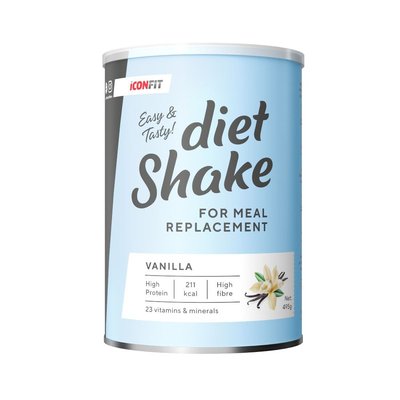 ICONFIT Diet Shake 495g Vanill€13.90 In stock are formulated specifically as meal replacements with a controlled calorie-to-nutrient profile.
Pregnancy and Safety Notes
During pregnancy and breastfeeding, standard dietary shakes — especially those designed for weight loss — are generally not recommended as meal replacements. Reasons include:
- Calorie restriction is inappropriate during pregnancy; energy needs increase.
- Some thermogenic or stimulant-containing shakes (e.g., those with green tea extract or high caffeine) carry risks for fetal development.
- Fat-soluble vitamin levels (A, D, E, K) may be higher in some shakes than is appropriate during pregnancy without medical oversight.
If a dietary shake is to be used during pregnancy, consult a midwife or physician first. Plain protein shakes that are stimulant-free and third-party tested are a different category and may be appropriate when protein needs are not being met from whole foods alone.
Bottom Line
A dietary shake for women is a useful, evidence-supported tool for calorie management when used as intended — one meal replacement per day within a balanced overall diet. The evidence for greater weight loss with meal-replacement programmes is solid for medium-term use. Adjust your choice based on life stage: premenopausal women benefit from iron-containing formulations; perimenopausal women should prioritise protein content; and nobody should rely on shakes as their only source of nutrition.
You can explore the range of dietary shake options at MaxFit.
FAQ
Can women use dietary shakes as a long-term strategy?
Meal-replacement shakes work best as a structured medium-term tool (typically studied up to 12 months), combined with sustainable dietary habits. Long-term exclusive reliance on shakes without dietary education tends to result in weight regain when the shakes are discontinued. Use them as a scaffold, not a permanent replacement for balanced eating.
Are women-specific shakes worth the premium price?
Some women-specific formulations offer genuinely useful additions (iron, folate, calcium). Whether those additions justify a price premium depends on whether you are already meeting those micronutrient needs from your diet. If you eat a varied diet and take a quality multivitamin, a standard high-protein shake may be just as effective.
Is it safe to drink dietary shakes while breastfeeding?
Shakes formulated specifically for weight loss (calorie restriction, thermogenics, stimulants) are not appropriate during breastfeeding. Calorie needs are elevated during lactation. A plain, stimulant-free protein shake may be acceptable to bridge protein gaps, but consult your healthcare provider before adding any supplement to your routine while breastfeeding.
References
Rizzoli, R., Biver, E., Bonjour, J. P., Coxam, V., Goltzman, D., Kanis, J. A., Lappe, J., Rejnmark, L., Sahni, S., Weaver, C., Weiler, H., & Reginster, J. Y. (2018). Benefits and safety of dietary protein for bone health — an expert consensus paper endorsed by the European Society for Clinical and Economical Aspects of Osteoporosis, Osteoarthritis, and Musculoskeletal Diseases and by the International Osteoporosis Foundation. Osteoporosis International, 29(9), 1933–1948. https://pubmed.ncbi.nlm.nih.gov/29740667/



