
Dietary Shake for Athletes: Performance Evidence
A dietary shake for athletes is more than a low-calorie shortcut. Used strategically, meal replacement and protein-enriched shakes can help an athlete manage energy balance during a cut, support lean mass preservation, and ensure micronutrient coverage when whole-food meals are impractical. This guide examines the evidence and the practical protocol.
Mechanism in Sport
The primary mechanism by which a dietary shake benefits athletes is its protein-to-calorie ratio. High-protein foods and supplements suppress appetite through elevated peptide YY and GLP-1 signalling, increase thermogenesis, and — crucially — provide the amino acid pool required for muscle protein synthesis during caloric restriction (Leidy et al., 2015).
When athletes restrict calories without adequate protein, muscle tissue is at risk from protein catabolism. A well-formulated dietary shake that delivers a substantial protein dose per serving helps offset this risk, enabling fat loss while preserving lean mass — a goal central to weight-class athletes, endurance athletes seeking power-to-weight improvements, and anyone running a structured cut.
Many dietary shakes also include vitamins, minerals, and fibre, addressing the micronutrient gaps that commonly emerge during caloric restriction.
Strength and Endurance Evidence
The body of research on protein supplementation during caloric restriction is strong. A meta-analysis by Cermak et al. (2012) demonstrated that protein supplementation augmented lean mass gains in response to resistance training, including in conditions where total caloric intake was controlled. Athletes who maintain high protein intake per day are better able to preserve lean mass during energy restriction.
For endurance athletes, a protein-enriched shake consumed post-exercise supports glycogen-adjacent muscle repair. Research by Moore et al. (2009) established that muscle protein synthesis responds in a dose-dependent manner to protein ingestion after exercise, with gains continuing up to a moderate serving size in trained individuals.
Note that dietary shakes formulated specifically as meal replacements (rather than pure protein concentrates) typically contain carbohydrate and fat as well, making them more suitable as partial meal substitutes than as post-workout shakes. Choosing the right product for your specific goal matters.
Effective Protocol
Products like SELF Whey Shake 1kg Vanill, SELF Whey Shake 1kg Šokolaad, OstroVit Delicious Shake + Vitamin 400g Maapähkel, ICONFIT Diet Shake 495g Maasikas, and 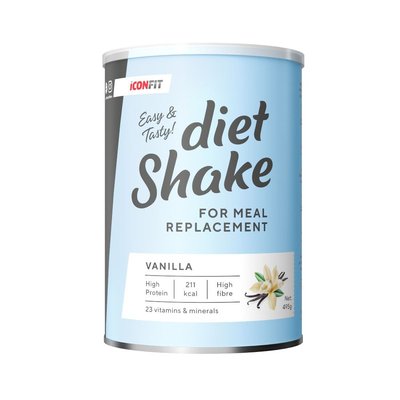 ICONFIT Diet Shake 495g Vanill€13.90 In stock — available at maxfit.ee — represent the dietary shake category, combining protein with controlled calorie profiles and added micronutrients.
For athletes: use a dietary shake as a structured meal replacement once daily, typically replacing a meal where a whole-food option is unavailable or impractical (e.g., post-morning training, mid-day meal on the go). Ensure the remaining meals are whole-food based with ample vegetables, lean proteins, and complex carbohydrates.
For weight-management phases, target a total daily protein intake that is sufficient for lean mass preservation — the exact amount depends on body weight and training intensity. The shake contributes to this total without adding excessive calories.
Who Benefits
Athletes who benefit most from dietary shakes include those in weight-making sports (combat sports, rowing) who need to manage energy intake without sacrificing muscle protein synthesis, endurance athletes seeking to improve power-to-weight ratio, and those with busy schedules who struggle to meet protein targets through whole foods alone.
Athletes in a muscle-building phase with no caloric restriction are generally better served by higher-calorie protein supplements or mass gainers rather than dietary shakes.
Honest Verdict
Dietary shakes are a practical, evidence-supported tool for athletes managing calorie and protein intake simultaneously. They are not magic — the quality of your overall diet and training still determines outcomes. A dietary shake fills specific gaps: meal convenience, protein density, and micronutrient coverage during restriction. Used as one element of a structured nutrition plan and not as a replacement for whole-food dietary literacy, they deliver genuine value.
Browse dietary shake options at maxfit.ee.
References
Leidy, H. J., Clifton, P. M., Astrup, A., Wycherley, T. P., Westerterp-Plantenga, M. S., Luscombe-Marsh, N. D., Woods, S. C., & Mattes, R. D. (2015). The role of protein in weight loss and maintenance. American Journal of Clinical Nutrition, 101(6), 1320S–1329S. https://pubmed.ncbi.nlm.nih.gov/25926512/
Cermak, N. M., Res, P. T., de Groot, L. C., Saris, W. H., & van Loon, L. J. (2012). Protein supplementation augments the adaptive response of skeletal muscle to resistance-type exercise training. American Journal of Clinical Nutrition, 96(6), 1454–1464. https://pubmed.ncbi.nlm.nih.gov/23134885/
Moore, D. R., Robinson, M. J., Fry, J. L., Tang, J. E., Glover, E. I., Wilkinson, S. B., Prior, T., Tarnopolsky, M. A., & Phillips, S. M. (2009). Ingested protein dose response of muscle and albumin protein synthesis after resistance exercise in young men. American Journal of Clinical Nutrition, 89(1), 161–168. https://pubmed.ncbi.nlm.nih.gov/19056590/
FAQ
Can a dietary shake replace a full meal for an athlete?
A dietary shake can replace one meal per day when it is formulated as a complete meal replacement with protein, carbohydrates, fat, vitamins, and minerals. However, relying on shakes for more than one or two meals per day reduces the dietary variety needed for optimal micronutrient coverage and gut health.
Should athletes use a dietary shake before or after training?
A dietary shake containing primarily protein is most efficiently used post-training to support muscle protein synthesis. Meal replacement shakes with mixed macronutrients may also be taken pre-training or as a regular meal, depending on the athlete's timing and energy needs.
How much protein should an athlete look for in a dietary shake?
For lean mass preservation during caloric restriction, a serving of a high-protein dietary shake should deliver a meaningful protein dose per serving. Check the product label for the exact macronutrient breakdown. Products marketed as 'diet shakes' or 'meal replacements' can vary widely — always read the nutritional information panel before purchasing.



