
How to Maximize Dietary Shake Absorption
Dietary shakes are formulated meal replacements or protein-enriched supplements designed to support calorie management, protein intake, and micronutrient delivery. Whether you are using a meal replacement for weight management or a protein-enriched shake to support muscle retention during a calorie deficit, dietary shake absorption — how efficiently your body digests, processes, and uses the nutrients inside — matters enormously for results.
What Limits Dietary Shake Absorption
Protein Type and Digestibility
Not all protein sources in dietary shakes absorb at the same speed or efficiency. Whey protein isolate is among the fastest-digesting proteins with a very high protein digestibility-corrected amino acid score (PDCAAS near 1.0). Casein digests slowly, forming a gel in the stomach that delivers amino acids over several hours. Plant proteins (pea, rice, soy) generally have slightly lower PDCAAS values and may benefit from protein blending to complement amino acid profiles.
The digestive efficiency of protein in meal replacement shakes is generally high — the processing and formulation work reduces barriers that exist in whole food proteins. Heat-denatured or cross-linked proteins (from poor manufacturing) absorb less well, but this is a quality-control issue rather than an inherent limitation.
Anti-nutrient Content
Some dietary shake ingredients — particularly those using plant-based protein sources — may contain anti-nutrients such as phytic acid (in soy or pea protein concentrates) that bind minerals including iron, zinc, and calcium, reducing their absorption. Better-quality products use protein isolates or hydrolysates where the anti-nutrient load is reduced during processing. Checking whether a product uses concentrate vs. isolate is relevant here.
Carbohydrate and Fat Content
The macronutrient composition of a shake affects gastric emptying rate, which in turn influences how quickly absorbed nutrients enter circulation. A shake with significant fat and complex carbohydrate content will empty from the stomach more slowly than a purely protein-based shake — this can be beneficial for satiety and sustained amino acid delivery.
Liquid Choice
Mixing a dietary shake with whole milk vs. water vs. plant milk affects the nutrition delivery. Milk adds fat, protein, and calcium but slows gastric emptying. For pure absorption speed (e.g., post-workout), water is optimal. For meal replacement scenarios where satiety matters, milk can be beneficial.
Cofactors That Help
Digestive Enzymes
Adding a digestive enzyme supplement (containing protease, lipase, and amylase) alongside a dietary shake may improve the breakdown efficiency of proteins, fats, and carbohydrates — particularly for individuals with digestive insufficiency or those consuming large shake volumes. This is especially relevant for plant-protein shakes where phytic acid and enzyme inhibitors may be present.
Vitamin C and Iron
If your dietary shake contains non-haem iron (common in plant-protein meal replacements), consuming it with a vitamin C source (citrus, or a vitamin C supplement) can meaningfully enhance iron absorption. Vitamin C converts ferric iron (Fe3+) to ferrous iron (Fe2+), the form readily absorbed by intestinal enterocytes.
Probiotics and a Healthy Gut Microbiome
A healthy gut microbiome improves overall nutrient extraction from food and supplements. Pairing dietary shakes with probiotic foods (yogurt, kefir) or a probiotic supplement supports the gut environment that absorbs nutrients effectively.
Form and Timing Effects
Pre-Mixing vs. Freshly Mixed
Protein begins to denature in liquid over time, especially at room temperature. For maximum bioavailability, consume a freshly mixed shake rather than one prepared hours in advance. If you prepare shakes in advance, refrigerate and consume within a few hours.
Timing Relative to Meals and Exercise
- Post-exercise: this is a physiologically advantageous window for protein absorption. Muscle tissue is more receptive to amino acid uptake in the post-exercise period. Research by Tipton et al. (2004) confirmed that protein consumption in the hours post-exercise supports muscle protein synthesis more effectively than the same protein consumed at rest.
- As a meal replacement: timing to coincide with regular mealtimes maintains metabolic rhythm and helps manage appetite effectively.
- Before sleep: slow-digesting proteins (casein-dominant shakes) consumed before sleep have been shown to support overnight muscle protein synthesis (Res et al., 2012).
Food Pairings
Strategic additions to a dietary shake can meaningfully improve nutritional outcomes:
| Addition | Benefit |
|---|---|
| Berries or citrus | Vitamin C enhances iron absorption from plant proteins |
| Tablespoon of nut butter | Adds healthy fats; improves fat-soluble vitamin absorption |
| Handful of spinach | Extra minerals and phytonutrients; blends invisibly |
| Plain yogurt base | Probiotics support gut health and protein digestion |
| Oats | Complex carbohydrates slow gastric emptying, extend satiety |
Practical Tips
- Choose isolate over concentrate when possible — isolate forms have lower anti-nutrient content and higher protein concentration per serving.
- Use cold water or cold milk for mixing — cold liquid slows protein denaturation.
- Consume within 20–30 minutes of mixing for maximum freshness and bioavailability.
- Add a vitamin C source if your shake contains plant-based iron.
- Take post-workout to take advantage of the anabolic window for protein utilisation.
- Do not mix with very hot liquid — heat denatures whey protein severely and reduces its digestibility.
At maxfit.ee you can find dietary shake options including SELF Whey Shake 1kg Vanill, SELF Whey Shake 1kg Šokolaad, OstroVit Delicious Shake + Vitamin 400g Maapähkel, and 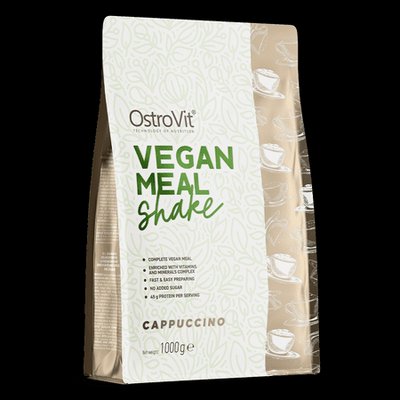 OstroVit Vegan Meal Shake 1000g Cappuccino€18.90 In stock — each offering different macronutrient profiles and flavour choices.
Browse the full dieetkokteil category at MaxFit.
References
- Tipton, K. D., Elliott, T. A., Cree, M. G., Wolf, S. E., Sanford, A. P., & Wolfe, R. R. (2004). Ingestion of casein and whey proteins result in muscle anabolism after resistance exercise. Medicine and Science in Sports and Exercise, 36(12), 2073-2081. https://pubmed.ncbi.nlm.nih.gov/15570142/
- Res, P. T., Groen, B., Pennings, B., Beelen, M., Wallis, G. A., Gijsen, A. P., Senden, J. M. G., & van Loon, L. J. C. (2012). Protein ingestion before sleep improves postexercise overnight recovery. Medicine and Science in Sports and Exercise, 44(8), 1560-1569. https://pubmed.ncbi.nlm.nih.gov/22330017/
- van Vliet, S., Burd, N. A., & van Loon, L. J. C. (2015). The skeletal muscle anabolic response to plant- versus animal-based protein consumption. Journal of Nutrition, 145(9), 1981-1991.
FAQ
When is the best time to drink a dietary shake for maximum absorption?
For muscle support, post-exercise timing is advantageous — research confirms that protein consumed in the hours after resistance exercise supports muscle protein synthesis more effectively than at rest (Tipton et al., 2004). For meal replacement and satiety goals, coinciding with regular mealtimes works well.
Does mixing a shake with milk instead of water improve nutrition?
Yes, in several ways. Milk adds protein, fat, and calcium, increases caloric content, and slows gastric emptying for more sustained amino acid delivery and better satiety. For post-workout speed, water is the faster option; for meal replacement effectiveness, milk (dairy or fortified plant milk) is generally better.
Can I prepare a dietary shake in advance?
You can prepare it 2–3 hours in advance if refrigerated, but freshly mixed is better. Protein begins to denature in liquid over time, particularly at room temperature. Never leave a pre-mixed shake unrefrigerated for hours before drinking.



