Why Hydration Is the Cornerstone of Athletic Performance
Water makes up roughly 60% of the human body and is involved in nearly every physiological process—from nutrient transport to temperature regulation (Popkin et al., 2010). For athletes, fluid needs are substantially higher than for sedentary individuals because sweat losses can amount to 1–2% of body weight, a threshold already shown to impair endurance, reaction time, and cognitive function (Armstrong, 2002).
Many people arrive at the gym or on the trail in a state of mild dehydration without realising it. Even a 1% fluid deficit can reduce aerobic capacity and trigger fatigue that we typically blame on everything except what it actually is: not enough water.
How Much Water Do You Actually Need?
The popular rule of eight glasses a day is a reasonable starting point, but it rarely covers the needs of an active person. The European Food Safety Authority recommends 2.5 litres per day for men and 2.0 litres for women—a figure that includes moisture from food (EFSA, 2010).
As an active individual, add:
- 500 ml per hour of moderate-intensity exercise
- 750–1,000 ml per hour of intense training or in hot weather
- Extra fluid after episodes of heavy, salty sweating
| Activity Level | Approximate Daily Need |
|---|---|
| Sedentary | 1.5–2.0 L |
| Light activity (3× per week) | 2.0–2.5 L |
| Active athlete | 2.5–3.5 L |
| Intense training / hot climate | 3.5 L+ |
Building a Hydration Habit That Sticks
Anchor Drinking to Existing Routines
Behavioural research shows that linking new habits to established cues dramatically increases adherence (Gardner et al., 2012). Simple anchor points:
- Drink a glass of water immediately after waking—before coffee
- Keep a bottle on your desk: if it's visible, you'll use it
- Drink a glass before every meal
- Refill your bottle every time you visit the kitchen
Use Practical Tools
Large-capacity sports bottles reduce how often you need to refill and serve as a visual reminder to drink. Bottles with time markers printed on the side are particularly handy for people who tend to forget.
Add Electrolytes When Needed
When training lasts over an hour or sweating is intense, plain water may not be enough. Sweat contains sodium, potassium, and magnesium. PowerBar 5 Electrolytes tablets are a convenient solution—one tablet per litre restores mineral balance without a heavy caloric load. 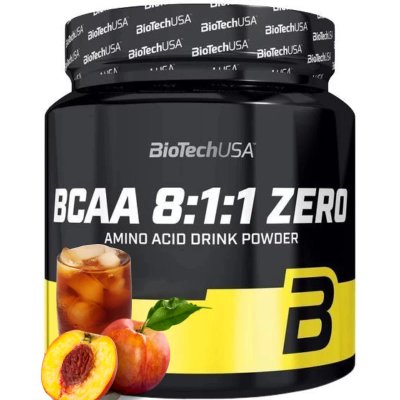 BIOTECHUSA Amino Energy Zero with Electrolytes Lime€26.90 In stock adds an amino acid complex that supports both hydration and muscle recovery.
You can find electrolyte products at MaxFit in the /en/category/elektroluudid category.
Signs You Are Well Hydrated
The simplest indicator is urine colour. Pale yellow to straw-coloured urine signals good hydration; dark yellow or amber suggests you need to drink more. Check this especially after intense training.
Other positive signs:
- Energy stays consistent throughout the day
- Skin is elastic and plump
- Focus holds for hours without mental fog
- Headaches occur rarely or not at all
What to Avoid
The caffeine trap. Coffee and black tea are mild diuretics, but at moderate amounts (up to three cups per day) they do not cause significant net fluid loss (Killer et al., 2014). Still, they do not replace plain water.
Too many sports drinks. Many commercial sports drinks are high in sugar. If your training lasts under an hour, plain water is sufficient. Electrolyte tablets are a smarter choice in that scenario.
Drinking late at night. Large amounts of fluid close to bedtime disrupt sleep. Try to consume most of your daily water in the morning and early afternoon.
FAQ
Do I need sports drinks during every workout?
No. For workouts lasting under an hour at moderate intensity, plain water is entirely sufficient. Sports drinks and electrolytes become useful during intense or prolonged sessions and in hot climates.
What happens if I drink too much water before training?
Excessive water intake immediately before exercise can cause gastrointestinal discomfort and a heavy feeling in the stomach. The best approach is to drink regularly throughout the day and top up with one glass 30–60 minutes before your session.
Does the timing of drinking matter?
Total daily volume matters most. That said, a morning glass of water is particularly valuable—the body loses fluid overnight through breathing and light sweating, and rehydrating first thing supports metabolic rate and mental clarity throughout the morning.
References
- Popkin, B. M., D'Anci, K. E., & Rosenberg, I. H. (2010). Water, hydration, and health. Nutrition Reviews, 68(8), 439–458.
- Armstrong, L. E. (2002). Hydration assessment techniques. Nutrition Reviews, 63(6), S40–S54.
- EFSA Panel on Dietetic Products. (2010). Scientific opinion on dietary reference values for water. EFSA Journal, 8(3), 1459.
- Gardner, B., Lally, P., & Wardle, J. (2012). Making health habitual: the psychology of 'habit-formation' and general practice. British Journal of General Practice, 62(605), 664–666.
- Killer, S. C., Blannin, A. K., & Jeukendrup, A. E. (2014). No evidence of dehydration with moderate daily coffee intake. PLOS ONE, 9(1), e84154.