What Is Casein Protein and How Does Absorption Work?
Casein is the primary protein in dairy milk, accounting for roughly 80% of milk protein. Unlike whey, which disperses quickly in the stomach, casein forms a gel-like clot when it meets stomach acid. This clotting mechanism slows gastric emptying and creates a prolonged, steady release of amino acids into the bloodstream — a property that makes casein protein absorption uniquely suited to fasting periods, particularly overnight sleep.
Research comparing the two proteins found that casein produced a slower, more sustained aminoacidaemia lasting several hours longer than whey after an equivalent dose (Boirie et al., 1997). This sustained release is why casein is often called an "anti-catabolic" protein: it suppresses muscle protein breakdown over a longer window, which matters during the eight or more hours without food during sleep.
What Limits Casein Protein Absorption?
Several factors can reduce the efficiency of casein absorption:
Digestive enzyme insufficiency. Casein relies on proteolytic enzymes — primarily pepsin in the stomach and trypsin and chymotrypsin in the small intestine — to break peptide bonds. Individuals with low stomach acid (common with ageing or use of proton-pump inhibitors) or impaired pancreatic function may digest casein less efficiently.
Competition with other proteins at the same meal. When multiple protein sources are consumed together, they compete for the same enzymatic machinery. This is rarely a practical problem at reasonable doses.
Fat content of the matrix. Casein consumed with very high-fat foods may slow gastric emptying further. For most users, this is not harmful, but for athletes with specific timing needs, a lower-fat matrix at bedtime may ensure amino acids are available during the early sleep hours.
Denaturation from excessive heat. Processing casein at very high temperatures can alter its micellar structure, though commercially produced micellar casein is generally protected during manufacturing.
Cofactors That Support Casein Absorption
Certain nutrients work synergistically with casein:
Vitamin D. Vitamin D receptors are present throughout the gastrointestinal tract, and adequate vitamin D status supports intestinal calcium absorption and epithelial integrity, creating a better environment for protein digestion.
Zinc. Zinc is required for the activity of several digestive proteases. Mild zinc insufficiency, common in athletes with high training loads, can subtly reduce protease activity.
Digestive enzymes (protease supplements). Some users, particularly those with documented digestive difficulties, benefit from adding a broad-spectrum digestive enzyme. Products containing protease, amylase, and lipase support complete macronutrient digestion.
Form and Timing Effects on Casein Absorption
Not all casein is created equal. The two most common commercial forms are:
Micellar casein. Retains the native micellar structure from milk, producing the classic slow digestion and prolonged amino acid release. This is the form in most premium casein supplements.
Calcium caseinate. A processed form where calcium is added to precipitate casein. It digests somewhat faster than micellar casein but still much more slowly than whey.
A study in healthy young men found that pre-sleep ingestion of casein protein was associated with greater overnight muscle protein synthesis compared to placebo, and that this response was preserved in older adults when the dose was sufficient (Res et al., 2012). Timing casein intake immediately before sleep — typically within 30 minutes of lying down — is therefore the strategy most supported by current evidence.
Practical Food Pairings
Casein does not need to be consumed in isolation. Common and effective pairings:
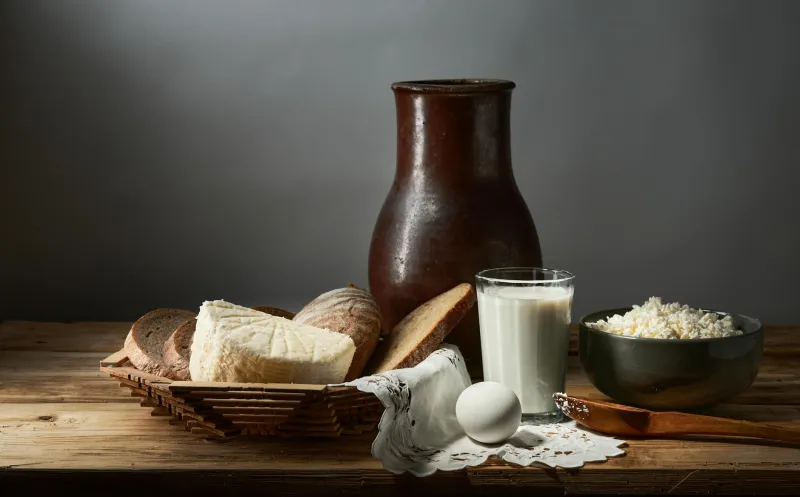
- Greek yoghurt or cottage cheese — these dairy foods are naturally high in casein and can be consumed alongside a casein supplement to add volume and additional protein without changing the absorption kinetics significantly.
- Slow-digesting carbohydrates such as oats or whole-grain bread at the same meal reduce insulin fluctuations and provide sustained energy, complementing casein's prolonged protein release.
- Avoid very large fat loads at the pre-sleep meal if you want amino acids to begin appearing in the blood earlier in the night rather than being delayed by an especially long gastric emptying time.
Practical Tips to Optimise Casein Protein Absorption
- Choose micellar casein for overnight use. Read labels: "micellar casein" or "milk protein isolate" indicates the intact micellar form.
- Time it before sleep — the most evidence-supported window for casein intake is the 30 minutes before bed.
- Ensure adequate stomach acid — avoid antacids immediately before consuming casein if possible, as they raise gastric pH and slow initial digestion.
- Keep overall digestive health strong — probiotic-rich foods and fibre support a diverse gut microbiome, which in turn supports healthy protease activity.
- Consider a proteolytic enzyme supplement if you regularly experience bloating or incomplete protein digestion.
Products available at maxfit.ee include MyProtein Impact Casein 2.5kg Šokolaad, Optimum-nutrition Casein 1816g Šokolaad, and BIOTECHUSA Micellar Casein 2270g Vanill from the casein protein category.
FAQ
Is casein protein better than whey for building muscle?
The two proteins serve different purposes. Whey is better suited to the period immediately after training when rapid amino acid delivery is beneficial. Casein is better suited to overnight use. For most people, using both in a complementary strategy produces the best results.
Can I mix casein with water or does it need milk?
Casein can be mixed with water, milk, or plant milks. Mixing with regular cow's milk adds more casein and calcium. The texture is thicker with milk but absorption kinetics are not dramatically altered.
Does casein cause digestive issues?
Some people experience bloating when consuming large amounts of casein. Starting with a smaller portion and ensuring adequate hydration usually resolves this. Individuals with diagnosed lactose intolerance may tolerate micellar casein well, as it contains very little lactose, but they should check the product label.
References
Boirie, Y., Dangin, M., Gachon, P., Vasson, M. P., Maubois, J. L., & Beaufrere, B. (1997). Slow and fast dietary proteins differently modulate postprandial protein accretion. Proceedings of the National Academy of Sciences, 94(26), 14930-14935. https://pubmed.ncbi.nlm.nih.gov/9405716/
Res, P. T., Groen, B., Pennings, B., Beelen, M., Wallis, G. A., Gijsen, A. P., Senden, J. M., & van Loon, L. J. (2012). Protein ingestion before sleep improves postexercise overnight recovery. Medicine & Science in Sports & Exercise, 44(8), 1560-1569. https://pubmed.ncbi.nlm.nih.gov/22330017/
Snijders, T., Res, P. T., Smeets, J. S., van Vliet, S., van Kranenburg, J., Maase, K., Kies, A. K., Verdijk, L. B., & van Loon, L. J. (2015). Protein ingestion before sleep increases muscle mass and strength gains during prolonged resistance-type exercise training in healthy young men. Journal of Nutrition, 145(6), 1178-1184. https://pubmed.ncbi.nlm.nih.gov/25926415/



