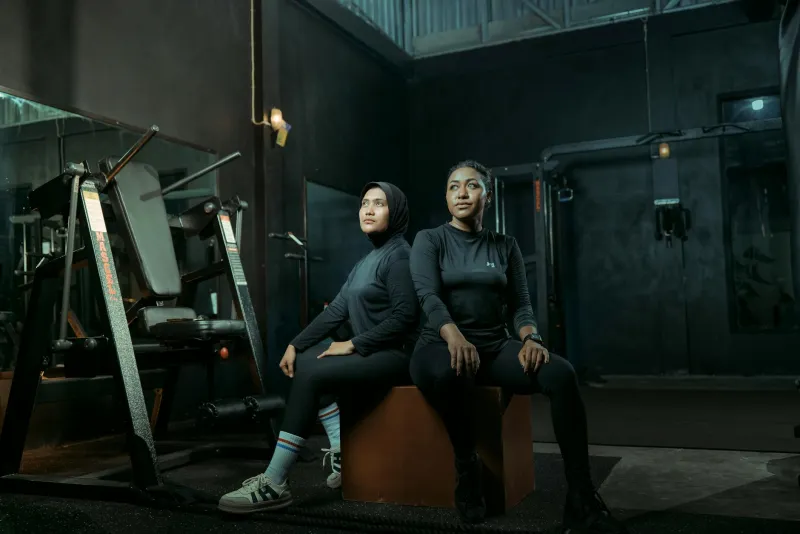
Why Do Women's Supplement Needs Differ From Men's?
Women and men share most supplement needs, but some important differences exist: women have a higher risk of iron deficiency (particularly menstruating women), lower testosterone levels affect muscle hypertrophy dynamics, and bone density deserves special attention. This guide navigates these nuances.
Myth #1: Whey Protein Makes Women Too Muscular
This is one of the most common misconceptions in gym culture. Women produce approximately 10–15 times less testosterone than men, which biologically limits muscle hypertrophy. Whey protein doesn't create a bodybuilder physique — it helps achieve goals like muscle tone, weight management, and improved recovery.
Scitec 100% Whey Protein Professional 500g Strawberry is a delicious everyday option. DY Whey Protein Shadowhey Isolate 2kg Strawberry is a high-protein isolate for those wanting a lower-calorie, higher-protein product per serving.
How Much Protein Do Women Need?
The recommendation is the same as for men: 1.6–2.0 g/kg per day. Protein is important for improving muscle tone, creating satiety, and supporting metabolism.
BCAAs — Protecting Muscles During Training
BCAAs are particularly useful for women who train fasted in the morning (a common preference). They reduce muscle catabolism and support recovery. DY HIT BCAA 4:1:1 + Glutamine 450g Peach and OstroVit BCAA + Glutamine 200g Lemon are popular options.
Why Is Glutamine Important?
Glutamine supports immune function, digestive health, and muscle recovery. During intense training periods, the body can deplete glutamine stores, making supplementation beneficial.
Iron — Especially Important for Women
Menstruating women regularly lose iron and are at significantly higher risk of iron deficiency than men. Iron deficiency symptoms — fatigue, pallor, shortness of breath — are often mistakenly attributed to training fatigue. Iron deficiency is highly prevalent in female athletes (McClung et al., 2009).
If you suspect iron deficiency, get a blood test. Never supplement iron without confirmed need — iron overdose is harmful.
Collagen — Skin, Joints, and Hair
Collagen is particularly popular among women for its positive effects on skin elasticity, hair, and nails. In sport, it also supports joint health and tendon strength. BIOTECHUSA Active Women 60tab is formulated specifically with women's needs in mind, including collagen, biotin, and other women's health-focused ingredients.
Collagen is available at maxfit.ee in the collagen category.
Vitamin D and Multivitamins
SELF Multivitamin 120caps is a comprehensive daily multivitamin. BIOTECHUSA Active Women 60tab contains the most women-targeted micronutrient formula, including folate, biotin, and vitamin C.
Vitamin D and Bone Density
Women have a higher risk of osteoporosis than men, especially after menopause. Vitamin D combined with K2 is important for maintaining bone density throughout life. In Estonia, vitamin D supplementation in autumn-winter is highly recommended for women.
The Creatine Myth Among Women
Some women avoid creatine, fearing water retention or excessive muscle gain. The scientific evidence shows these fears are unfounded: creatine improves women's strength, muscle mass, and brain function without adverse effects (Smith-Ryan et al., 2021).
Women's Gym Supplement Plan
| Priority | Supplement | Why? |
|---|---|---|
| 1 | Whey protein isolate | Muscle tone, weight management |
| 2 | BCAA + glutamine | Recovery, energy levels |
| 3 | Vitamin D + K2 | Bone density, immunity |
| 4 | Collagen | Skin, joints, hair |
| 5 | Iron (if needed) | Energy, haemoglobin |
| 6 | Multivitamin | General support |
All products are available at maxfit.ee.
FAQ
Do women need different protein products than men?
Not necessarily. Most whey protein products are suitable for everyone. Women-specific products often add vitamins and minerals that are particularly useful, but the core protein content and amino acid profile is the same.
Does creatine cause water retention in women?
In the first weeks, a small amount of water retention (1–2 kg) can occur in muscle cells. This is normal and temporary — it means muscles are well-hydrated and primed for training. Long-term creatine use does not cause persistent bloating.
Which supplements support women's energy levels?
B-vitamins, iron (if needed), vitamin D, and vitamin C are the main energy and immune support nutrients. Caffeine is effective but doesn't suit everyone.
References
- Smith-Ryan, A. E., Cabre, H. E., Eckerson, J. M., & Candow, D. G. (2021). Creatine supplementation in women's health: a lifespan perspective. Nutrients, 13(3), 877.
- McClung, J. P., Karl, J. P., Cable, S. J., Williams, K. W., Nindl, B. C., Young, A. J., & Lieberman, H. R. (2009). Randomized, double-blind, placebo-controlled trial of iron supplementation in female soldiers during military training: effects on iron status, physical performance, and mood. American Journal of Clinical Nutrition, 90(1), 124–131.
- Tarnopolsky, M. A. (2000). Gender differences in metabolism; nutrition and supplements. Journal of Science and Medicine in Sport, 3(3), 287–298.
- Tipton, K. D. (2015). Nutritional support for exercise-induced injuries. Sports Medicine, 45(S1), 93–104.
- Lanou, A. J., Berkow, S. E., & Barnard, N. D. (2005). Calcium, dairy products, and bone health in children and young adults: a reevaluation of the evidence. Pediatrics, 115(3), 736–743.